

Newsletter

Sign up to the Liverish Newsletter:

Click here to signup to our FREE Newsletter


FATTY LIVER CLINICAL STUDY

Effective nutritional and dietary modification can improve liver injury caused by Fatty Liver - by Dr Sandra Cabot and Simone Abaron ND.

Background

Dr Sandra Cabot, along with naturopaths and many other holistic doctors have implemented dietary and lifestyle changes, as well as nutritional and herbal supplements for many years, to assist their patients in the management and recovery of liver injury caused by fatty liver. Until now, there has been an urgent need to gain further understanding of how these changes can be implemented and what precise results can be expected.

This critical need for information regarding the management or potential reversal of fatty liver is a result of the rising number of people being affected by it, together with the limitations of orthodox medications for this type of liver injury. Dr Cabot noticed the escalation of liver injury induced by fatty liver in her private practice and from feedback from the general public, which led to her feeling of necessity to gain more information so as to assist her patients more confidently, and encourage other doctors and naturopaths to do the same.

The Medical Observer Journal of Australia in July 2004 published an article titled Non-alcoholic fatty liver disease is the new epidemic of liver disease facing the Western world. Well it has been gradually creeping upon us, but in reality it has been an epidemic for at least a decade now!

Back in the 1980s fatty liver was mainly seen in alcoholics and rarely in children. Today fatty liver is now recognised as the most common cause of abnormal liver function tests in the USA, UK and Australia. Around 20% (or one in five persons in the general population) in Australia and the USA has fatty liver disease.

Fatty liver has been described for years, especially since we have used ultrasound scans, but it has previously been viewed as an uncommon cause of severe liver disease. This view is absolutely incorrect! The severe long term results of fatty liver disease are being seen increasingly in liver clinics all over the world.

Fatty liver is a very serious epidemic because it can affect children, it can lead to obesity and diabetes and it can lead to cirrhosis and liver failure. The severe consequences of fatty liver disease are now recognised and these complications are increasingly seen in liver clinics. Fatty liver will become the most common cause of severe liver disease and the need for liver transplant.

Fatty liver is known as Non-Alcoholic Fatty Liver Disease and this is often abbreviated to NAFLD. The term NAFLD includes the condition of simple fatty liver but also incorporates the more severe inflammatory condition known as Non-Alcoholic Steato-Hepatitis also known as NASH.

It is interesting to know that NASH causes the same damage to the liver as that seen in severe alcoholics and this has been proven with liver biopsy. The increased amounts of fat inside the liver cells cause inflammation of the liver and this is mediated by free radical oxidative stress on the liver cells.

NASH is a much more severe form of fatty liver than simple fatty liver, because in NASH there is much more liver inflammation, and this can easily progress to severe liver scarring and liver failure known as cirrhosis.

In the past it was not uncommon for patients to present with cirrhosis and liver failure of unknown cause and this is termed cryptogenic cirrhosis. We now recognise that many cases of these so called mysterious liver diseases are caused by the aggressive form of fatty liver known as NASH. Unfortunately these cases of fatty liver were never picked up in time to be treated.

Fatty liver occurs when fat accumulation is more than 5% of the liver weight.   Fatty liver is most commonly caused by incorrect diet, obesity, alcoholism and diabetes. Other causes can include malnutrition (especially protein deficiency), congenital metabolic disorders, excessive use or toxicity of orthodox medications (such as corticosteroids, valproic acid, tetracycline, salicylates or synthetic oestrogens) or systemic illnesses with fever.

Aim

The aim of this clinical study was to illustrate the result of a specific supplemental and dietary regime on liver injury caused by fatty liver over a 5 to 6 month period.

Hypothesis

We were hoping to demonstrate:

  • Improvement in liver function and reduction in liver inflammation
  • A reduction in clinical symptomatology
  • A reduction in obesity - This was going to be challenging as 50% of participants could be classified as obese by their BMI and furthermore, it is traditionally thought that those with a fatty liver find it more difficult to lose weight.
  • A reduction in the amount of the fatty infiltration of the liver.
  • Improvement in the quality of life and general health

Because this study period was conducted over a relatively short time (between 5 to 6 months), we were not expecting to completely reverse the condition of fatty liver, which is generally thought to take many years to develop.
 
We did not claim that damage to the liver will always be completely reversed by the treatment outlined in our study.

Study Design

This study was designed as an investigative initial clinical study.

Participant Recruitment and Selection

Participants were recruited by replying to advertisements placed on health websites, by word of mouth and from patients in Dr Cabot's clinics. Applicants were then asked to complete a questionnaire, which was consequently analyzed and compared with a set of predetermined selection criteria. Participants' suitability was then determined according to this.

Applicants needed to fit into the following selection criteria:

  • Had a previous medical diagnosis of Fatty Liver
  • Had a positive ultrasound confirming the diagnosis of Fatty Liver
  • Did not have advanced cirrhosis of the liver or liver failure indicated by symptomatology and/or pathology
  • Did not have other pre-existing, serious, medical conditions such as kidney failure, heart failure, cancer, psychotic illness etc
  • Was not a smoker at time of application
  • Did not drink more than 4 alcoholic beverages per week at time of application
  • Did not use recreational drugs at time of application
  • Was not taking orthodox medication (or was willing to stop medication after discussion with their GP) which may have hepatotoxic effects (eg. statins and long term antibiotics)
  • Was willing to terminate the use of all complementary medicines known to have any effect on liver function
  • Was motivated and enthusiastic to change their diet
  • Was willing to comply with various demands of study executives
  • Was willing to have specific tests required such as blood tests and abdominal ultrasound
  • Was willing to have their results published and allow medical professionals to view results to vindicate results of study
  • Must have filled in and signed a consent form

Once the applicant was deemed suitable, they were then called into Dr. Cabot's Holistic Health Clinic in Camden, Sydney Australia for an initial consultation with Dr Cabot and Simone Abaron, the study's project director. Successful applicants were accepted in either the first or second round of inlets which commenced 3 months apart from one another.

Supplement Protocol

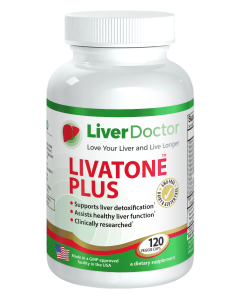
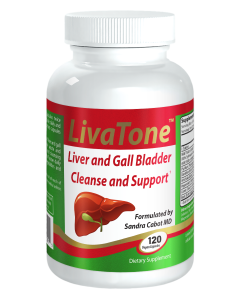
Participants were expected to take 2 capsules twice daily of a specialized liver tonic called LivaTone Plus. These were provided to the participants at no charge for the duration of the study period.

No other nutritional/ herbal supplements with known effects on liver function were permitted to be taken during the study period. Orthodox medications prescribed to participants before the commencement of the study by their pre-existing medical practitioner, were permitted to be continued during the study, provided they did not have known hepatotoxic activity.

Dietary & Lifestyle Protocol

Participants had to carry out all dietary modifications suggested by the research team. The dietary protocol for participants was similar to that outlined in Dr. Cabot's book Can't Lose Weight? Unlock the Secret that KEEPS you FAT. In this program, refined carbohydrate intake is limited and the importance of eating complete protein and fresh foods high in antioxidants on a regular basis is emphasised.

Participants were expected to make and drink raw vegetable juices at least 4 times a week. Suggested recipes were outlined in Dr Cabot's book  -- Raw juices can save your life Appropriate recipes included the Liver Tonic, Liver Cleansing, Fatty Liver and Weight loss juices.

All participants were permitted to have a maximum of 4 alcoholic beverages weekly. Complete exclusion of smoking and recreational drug use was imperative. Exercise was strongly encouraged however it was not a fundamental modification.

Compliance

Because this program was very demanding on participants, it was imperative to ensure enough contact was maintained between participants and the study's management, in order to ensure compliance was maintained. As a result, it was necessary for all participants to attend fortnightly follow-up consultations at Dr Cabot's Holistic Health Clinic with naturopath Simone Abaron. In addition, participants were required to complete a daily diet diary for the duration of the study, which was reviewed at their fortnightly follow up consultations.

Patients were provided with the necessary supplements, health books and an excellent Samson juice extractor machine free of charge, so as to make their compliance as easy as possible. If a participant did not comply with suggestions made by study executives they may have been excluded from the study process at any time and the juice extracting machine was returned to the manufacturer.

Study Method

Monitoring of specific tests known to be indicative of, or associated with, the liver damage caused by fatty liver was organised at accredited pathology laboratories. In some cases, these measurements may also predict the degree of fatty infiltration of the liver. These tests were done at the commencement and conclusion of the study.

These included:

  • Abdominal ultrasound scan
  • Liver function enzymes
  • Lipid studies including HDL
  • Fasting blood glucose
  • Fasting insulin

Clinical history and measurements were taken at the commencement, conclusion and at all fortnightly consultations over the study period.

These included:

  • Fatigue levels
  • Digestive discomfort
  • Mental and physical wellbeing
  • Room for individuality of presentation was allowed with one symptom possibly related to liver dysfunction being monitored throughout the length of the program
  • Body weight
  • Body Mass Index
  • Waist circumference
  • Blood pressure

Discontinuation of the Study

Patient


Reason for discontinuation

Fatty Liver

Mr. C


Emotional hardship- at the entrance into the study, this patient was suffering with emotional issues and severe depression, which had been a problem for this patient for many years. By week 12, this patient found he was no longer able to comply because of these psychological factors.

Fatty Liver

Ms. E


Foot injury in week 10, resulting in inability to stand and prepare food for herself. Husband assumed the responsibility of preparing meals, which was not conducive to complying with the program.

Fatty Liver

Ms. G


Developed an extreme lack of motivation in week 18 after being employed on a full-time basis.

Table 1: Reasons for participant discontinuation

Considering the demands this study required, the overall abandon rate was surprisingly low. This could be attributed to the level of compliance assurance measures undertaken such as the daily diet diaries and the level of support the participants received on a fortnightly basis. It may have also been attributed to the significant improvements in fatigue levels, overall wellbeing and other concerning symptoms.

The study commenced with 9 participants being included. Of those, 6 participants completed the program. Therefore the overall abandon rate was 33%.

It should be pointed out that during the course of this clinical study, no patients experienced significant side effects from the treatment protocol.

Considerations

During the course of this investigative clinical study, certain unavoidable problems were presented, which should be considered when the results are being viewed and conclusions made. Fatty liver is generally considered to be a chronic disease, with most of the participants commencing to develop it many years before the study.

We did try to recruit 12 study participants but found this difficult for unknown reasons.
Diagnosis of fatty liver is often overlooked, even though it affects around 20% of the general population. This low detection rate has allowed for the unnecessary progression of the condition. As a result of the comparatively short time frame this study was conduced over, significant changes in liver pathology were not expected. In addition, because of the length of time fatty liver had presumably developed over, difficulty was experienced in evaluating initial clinical symptoms because the participants had developed them very slowly. As a result, clinical measurements were, in many cases, not quantitatively significant, however qualitative description revealed there were significant benefits found.

Abdominal ultrasound scans were used to detect the presence or absence of increased echogenicity caused by fatty infiltration of the liver. An abdominal ultrasound scan is able to detect the presence of fatty liver and grade it as mild, moderate or extensive. CAT scans are a more accurate tool in determining the degree of fatty infiltration. If we decide to do a longer study CAT scans will be used to measure changes in liver pathology.

Results

Symptom 1: Fatigue

Fatigue was measured on a scale of 1 - 10.
A value of 10 describes a severe degree of fatigue that affects all aspects of the patient?s life. Overall, 83 % of participants had fatigue levels, which had either reduced or remained consistent throughout the study period.
17% of participants were more fatigued at the conclusion of the study than they were initially. There was a general reduction of fatigue by 6.7%.

Symptom 2: Digestive Discomfort

Digestive discomfort was measured on a daily basis per week. That is, the participant was asked how many days over the previous week they had experienced digestive discomfort. Digestive discomfort may encompass symptoms such as bloating, nausea, constipation, diarrhea, excessive flatulence or burping, abdominal cramping or halitosis. 100% of the participants received significant reductions in digestive discomfort. In fact, on average, participants had a 70% improvement in their digestive symptoms. Chart 1 illustrates the degree of change each participant found from the commencement of the study period to the conclusion.


Chart 1: Digestive Discomfort

Symptom 3: Mental and Physical Wellbeing.

Mental and physical wellbeing was measured on a sliding scale of 1 -10.
The value of 10 represents a feeling of extreme mental and physical wellness. Positive mental and physical wellness describes a feeling that the participants? diagnosis with fatty liver was not impacting on their wellbeing either mentally or physically. On average, mental and physical wellbeing had improved by 13%. Chart 2 represents the participant's overall feeling of mental and physical wellbeing from the commencement of the study period to the conclusion.


Chart 2: Wellbeing

Symptom 4: Individual symptom related to liver dysfunction.

Because this clinical study was designed to acknowledge individual presentations of the same disease process, this symptom allowed for uniqueness of presentation. Participants were asked to describe their most troubling symptoms at their initial consultation. Any symptom that the study executives attributed to compromised liver function was then monitored as symptom 4 throughout the length of the program. This was measured on a daily basis per week. That is, the participant was asked how many days over the previous week they had experienced their particular individual symptom. Chart 3 illustrates the changes noted in the frequency that participants experienced their individual symptom.

Patient 1 experienced uncomfortable bowel movements, patient 2 had severe halitosis, patient 3 found their sleep quality was poor, patient 4 suffered with red itchy eyes, patient 5 experienced severe nausea and patient 6 found he had problems with concentration and mental clarity.


Chart 3: Individual Symptom


Weight:

Weight gain is a sign which is commonly associated with the development of fatty liver. Furthermore, weight gain is further accelerated by the progression of fatty liver. Weight loss is therefore a great predictor of a reduction in the degree of fatty infiltration. 100% of the participants experienced a significant weight loss with the average weight loss being 14.5 kg.


Chart 4: Weight Loss per participant in kilograms


Body Mass Index (BMI):

Body mass index describes an individual's body weight compared with their height. It is useful in determining whether one fits into the normal healthy weight range or not.
BMI brackets are as follows:

Underweight = < 18.5
Normal = 18.5 ? 24.9
Overweight = 25 ? 29.9
Obese = > 30

100% of the participants had a reduction of their BMI. The average reduction for participants? BMI was 4.9%


Chart 5: Body Mass Index (BMI)

Abdominal Ultrasound:

Abdominal ultrasounds are an effective tool in determining the presence or absence of fatty liver. 83 % of participants' abdominal ultrasounds showed some degree of reduction of fatty infiltration. Figure 1 illustrates the degree of change noticed in abdominal ultrasounds of participants.


Figure 1: Abdominal ultrasound changes

Pathology Tests:

The pathology tests were chosen to evaluate liver function and fat and sugar metabolism. Fatty liver may or may not cause abnormal liver function tests, however an elevation of liver enzymes is indicative of liver inflammation. Fatty liver is often associated with an abnormal lipid profile and impaired glucose tolerance and insulin resistance. Table 2 provides the average levels of the pathology parameters tested at the commencement and conclusion of the study. Table 2 also provides the average change over the period of the study.

Pathology Test

Reference Range

Average level at commencement

Average level at conclusion

Average Difference

ALT (U/L)

0 - 40

43


28

- 15

AST (U/L)

0 ? 40

30

23

- 6.3

GGT (U/L)


0 - 45

42

30

- 11.8

ALP (U/L)

30 - 115

74

64

- 10.1

Total Cholesterol (mmol/L)

3.9 ? 5.5

4.7

5.4

+ 0.67

HDL (mmol/L)

0.8 ? 1.7

1.2

1.4

+ 0.23

LDL (mmol/L)

1.7 ? 3.5

3

3.3

+ 0.30

Triglycerides (mmol/L)

0.5 ? 1.7

1.1

1.4

+ 0.28

Fasting Blood Sugar (mmol/L)

3.6 ? 6.0

5.52

5.38

- 0.13

Fasting Insulin (mU/L)

0 ? 20.0

15.68

11.18

- 4.53

Table 2: Pathology tests

Conclusion

This investigative clinical study has provided compelling clinical and laboratory evidence that indicates liver injury caused by fatty liver, and fatty infiltration in itself, may be significantly reduced, when effective dietary, supplemental and lifestyle modifications are implemented. We predict that, based on current trends, fatty liver and obesity will become an epidemic problem, therefore the need for an effective treatment protocol is becoming increasingly urgent.
Considering that:

  • At present, there is no orthodox medical treatment that is proven to effectively treat or manage fatty liver or its consequences
  • Fatty liver is associated with diseases such as obesity and diabetes which have considerable morbidity and increased mortality rates
  • Fatty liver and especially the more insidious form of NASH may progress to severe liver disease
    There is an urgent need for proven, effective complementary medical protocols that cause no harm.

Complementary medicine is increasingly recognised by many health workers as being an extremely useful tool in achieving a reduction in morbidity and mortality rates for the epidemic of degenerative diseases and obesity now facing the developed world.

We consider the treatment outlined in this clinical study to be not only effective in reducing fatty infiltration of the liver but also the liver injury caused by it.

Furthermore, throughout this clinical study, no noteworthy side effects were noted. We can therefore conclude that this program is not only very successful, but also extremely safe.