

Newsletter

Sign up to the Liverish Newsletter:

Click here to signup to our FREE Newsletter


HEPATITIS  -   A,B,C

What is Hepatitis?

Hepatitis is a general term used to describe inflammation (itis) of the liver (hepat). This means that there are too many inflammatory chemicals being produced and released in the liver, which damages the liver cells (hepatocytes).

Your doctor will be able to diagnose hepatitis, even of a mild degree, by doing a blood test to check the level of liver enzymes.  If the liver enzymes are elevated this means you have some degree of liver inflammation occurring.

What causes Hepatitis?

It can be caused by excessive alcohol, toxic chemicals, incorrect diet, some drugs such as acetaminophen, autoimmune diseases, poisons, non-viral infections like Q fever, and various viral infections including glandular fever as well as some diseases of the biliary system.  Viruses which attack liver cells, are known as hepatitis A, B, C, D, E, F and G. Other viruses of both new and old varieties can also attack the liver such as Epstein Barr virus (glandular fever virus) and the cocksackie virus.

HEPATITIS C

Hepatitis C virus (HCV) is classed as the fastest-growing infectious disease in Australia and America, and this upward trend is set to continue. If it does, by the year 2010 we can expect many thousands of people to have developed HCV- related cirrhosis, with many requiring liver transplants. It is an epidemic problem. Infection with the hepatitis C virus is common, and there are around 300 million people worldwide who have contracted this virus.

Researchers estimate that in Australia, 0.5 to 1% of the general population tests positive to hepatitis C virus. In the USA the incidence is estimated to be around 1.8% of the population, while in many parts of Asia infection rates are much higher than this. HCV was only identified in 1988. Previously it was known as non-A, non-B hepatitis. HCV is 10 times more infectious than HIV (the AIDS virus), and unpublished research in Victoria suggests it may survive for long periods on needles and other equipment. In the 1980s, AIDS was the major public health challenge for community based doctors. Now Hepatitis C has this dubious honor.

How can you catch the Hepatitis C virus?

Hepatitis C is transmitted mainly by blood. This occurs through the sharing of equipment to inject drugs, needle stick injuries in health care workers, and unsafe techniques of body piercing and tattooing. Cocaine snorting is recognized increasingly as a potential mode of transmission through the sharing of contaminated straws.

Only a tiny quantity of virus is necessary for the virus to become established in the case of hepatitis C, and transmission usually occurs when the skin becomes contaminated by injecting paraphernalia, such as spoons, mixing tools, tourniquets, cotton buds or by hands. Razor blades and toothbrushes can become contaminated with blood, so it is important not to share these things. Always wear gloves when wiping up blood spills, using paper towels and good quality bleach. While bleach is an effective surface antiseptic, there is no absolute evidence that it can kill Hep C. In about 10 to 15 percent of cases no definite risk factor is detected and the mode of transmission remains unclear.

The incidence of sexual transmission from a patient with chronic hepatitis C infection seems to be quite low, in comparison with hepatitis B and HIV (AIDS). However, those with an acute hepatitis C infection are possibly more likely to spread the virus sexually. It is important to practise safe sexual techniques to avoid blood to blood contact. The risk of sexual transmission is estimated to be around 4%.

Transmission of the disease from mother to baby also occurs but much less frequently than with hepatitis B. This occurs in only around 6% of such cases. Infection of the baby through breast-feeding from an infected mother is very uncommon, however great care should be taken to avoid nipple trauma.

Nowadays the risk of catching hepatitis C from a blood transfusion is extremely low, because blood banks now screen all donated blood. As with hepatitis B it is possible to be a symptom-free carrier of the virus. Hepatitis B sufferers in the acute stage of infection and all hepatitis C patients should consider themselves infectious.

HCV is NOT spread by:

  • sneezing
  • hugging
  • coughing
  • food or water
  • sharing eating utensils or drinking glasses
  • casual contact

The following precautions must be taken by hepatitis B and C patients.

  • Do not donate blood or organs.
  • Do not share needles, toothbrushes, razors or other intimate articles.
  • Blood spills should be wiped up with bleach and all cuts and wounds covered with adhesive dressings.
  • Bloodstained tissues, sanitary napkins and so on must be disposed of safely.
  • "Safer sex" should be practised, with the use of condoms recommended, especially for anal intercourse. However, in the case of hepatitis C, the need for condom use in heterosexual intercourse with a stable partner is not entirely clear. The risk of oral sex is also not fully known, though oral-anal contact should be avoided. Intercourse during menstruation should also be avoided.

Do you need a test for Hepatitis C?

If you received a blood transfusion or blood products before routine screening of donor blood was introduced (before February 1990), or if you have ever shared equipment (needles, spoons, swabs, tourniquets, etc) for injecting any drugs, it is important that you ask your doctor for a blood test to check for hepatitis C. If you have been tattooed, had body piercing or needle-stick injuries, you should also consider being tested for hepatitis C.

Initial Effects of Infection with Hepatitis C Virus

People are generally completely unaware that they have contracted this virus because it does not produce any symptoms in the early or acute stages of the infection. During the first 3 to 6 months after infection, the virus replicates itself rapidly and the immune system tries to fight it by producing antibodies against it. Unfortunately in 80 to 85 percent of infected people, the virus is not eliminated and becomes a long-term inhabitant of the body. In other words, the infection becomes chronic. In a significant percentage of people with chronic infection, there are no signs or symptoms of disease and many are unaware that they are carrying an infection that can be transmitted to others through contact with their blood.

What are the symptoms?

The symptoms of acute hepatitis infection are similar for all three viruses, although generally less severe with hepatitis C. Initially the patient feels unwell with symptoms such as nausea, vomiting, diarrhea, loss of appetite, headaches, tiredness and a distaste for cigarettes. Fever and upper abdominal discomfort may occur. After one to two weeks the patient frequently becomes jaundiced (the skin and eyes turn yellow), and the symptoms then often improve. The urine may become dark and the bowel motions pale.

Long Term Effects of the Hepatitis C Virus

The long term liver damage caused by the hepatitis C virus varies from person to person, and those with a strong immune system and a healthy diet and lifestyle will have a much better outcome.

In those who become infected with this virus we find the following approximate outcomes:

  • 15 to 20 percent of people will completely eliminate the virus from their bodies within 3 to 6 months (much like we overcome the flu virus).
  • 60 percent of people will develop a long-term (chronic) infection that may not cause any problems or may go on to varying degrees of liver damage.
  • 20 to 25 percent of people will suffer serious liver damage, although this takes around 20 years to develop. In this group, 10 to 15 percent will remain stable and be able to survive with their disease, while 10 percent will go on to develop liver failure and/or liver cancer. The absolute risk of liver cancer from hepatitis C is not yet clear, but it only occurs if there is already established cirrhosis and generally takes about thirty years after the initial infection.
  • Chronic infection may also cause severe loss of liver cells and extensive scarring of the liver which is called cirrhosis. The death rate from chronic hepatitis C infection is around 5 to 10% and is due to end stage liver failure or the development of liver cancer.

Excerpt from "The Liver Cleansing Diet" by Dr Cabot

"The LCD will help to repair liver damage in those who drink too much alcohol or those who have taken recreational drugs, especially intravenously. Those who test positive for hepatitis B and/or hepatitis C and are chronic carriers of these viruses will have less chance of developing chronic liver disease if they follow the Liver Cleansing Diet.

Testing and diagnosis

1. Antibody detection
The initial screening test for hepatitis C tests for the antibodies to the virus, so it does not look directly for the virus itself. Sometimes this test comes back indeterminate and then a repeat test is required. Antibodies are produced in the body after exposure to the virus. Therefore this test indicates if the body has been exposed to the virus and has produced antibodies to fight it. It doesn't determine whether or not someone still has the virus or how long he or she has been infected. It takes up to 6 months for antibodies to HCV to form in the blood (this is called seroconversion).  It is therefore important to get retested 6 months after the initial antibody test.

The main tests used are:

  • ELISA III (Enzyme Linked Immunosorbent Assay)
  • RIBA (Recombinent Immunoblot Assay).  These are more expensive than ELISA and are generally used as a confirmatory test.

2. Virus Detection and analysis
The PCR (Polymerase Chain Reaction) is a test that amplifies the virus genetic material to a level that can be detected so it is useful when the antibody tests are unclear. It is the viral load that the PCR tests for. It is often required to have these tests done to confirm a diagnosis.

Recommended books

  • "The Healthy Liver and Bowel Book"    Follow the principles for a Healthy Liver outlined on p 20 -27. This book is essential reading for anyone with liver or bowel dysfunction and contains sections on fatty liver, liver function tests and the implication of the results, high cholesterol, irritable bowel syndrome, etc. This way of eating must be followed for life. It is not hard. You can use the recipes in the back as a guide and make your own recipes/meals up as long as they stick to those basic principles
  • "Raw Juices Can Save Your Life' 

Dr Cabot's book contains carefully designed juices to help with common health problems such as-

  • Chronic fatigue
  • Liver problems including fatty liver and hepatitis
  • Weight excess
  • High blood pressure and high cholesterol
  • Skin and hair problems
  • Allergies and immune dysfunction
  • Asthma
  • Arthritis
  • Recurrent infections
  • Irritable bowel syndrome & constipation
  • Headaches & migraines

Raw juices are an incredibly powerful healing tool and can improve the function of the liver, bowels and kidneys. This increases the elimination of toxins and waste products from the skin. The fresh raw vegetable juices are vitally important. It is good to use both whole fruits and vegetables in the diet as well as the juices, as the juices provide an easily absorbable form of nutraceuticals that are very beneficial for the liver. Juices made freshly from raw fruits and vegetables have unique healing & rejuvenating properties. For those who feel they need an extra boost there is nothing better than having a raw juice every day. It will brighten up the day by providing extra energy & endurance. Juices are unique because they allow the gut to receive very concentrated amounts of phyto-nutrients that could not be obtained by eating a normal amount of raw vegetables & fruits. Juices are high in --- Vitamin C, bioflavonoids, carotenoids, living plant enzymes to aid digestion & vitamin K, which is present in green leafy vegetables .

General treatment

  • If you want to improve liver function it is advisable to limit dairy products such as milk, butter, cream and processed cheese.
  • Avoid ALL margarines and similar type spreads
  • Avoid deep fried and fatty foods.
  • Limit chicken and turkey that is not free range, as this contains artificial growth hormones, antibiotics and steroids that increase the liver's workload.
  • Avoid artificial sweeteners - see www.dorway.com – use Stevia instead.

Raw Juices

Dr Cabot has known about the incredible healing power of raw juices from a very young age. Her grandmother's life was saved by raw juicing back in the 1930s.

Appropriate juice recipes found in Dr Cabot's " Raw Juices Can Save Your Life " book. Recommended juices are:

  • Liver Tonic juice page 166
  • Liver Cleansing Juice page 116
  • Antibiotic Juice page 45
  • Immune Dysfunction page 103
  • Infections page 105

Diet

Follow the 12 vital eating principles for a healthy liver outlined on page 20 - 27 of " The Healthy Liver and Bowel Book " by Dr Cabot and make these principles a way of life.

Recommended supplements

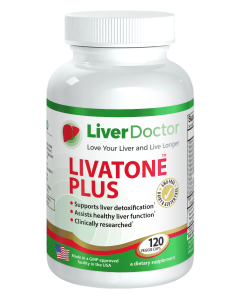
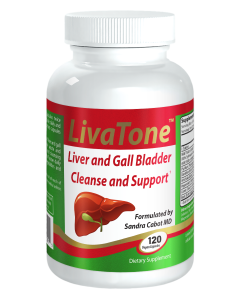
LivaTone® Plus Capsules/Powder

A specific liver tonic which contains the clincally proven dose of the herb Milk Thistle to provide 420mg of pure Silymarin per day. This liver tonic would also contain additional supporting nutrients such as sulphur bearing amino acids and antioxidant vitamins and minerals to improve the liver's ability to fight infection and protect itself from inflammation.

Image Name Price Qty Buy
Livatone® Plus 120 Capsules
2013
$30.00
Livatone® Plus 240 Capsules
2015
$50.00
Livatone® Plus Powder 200g
2012
$40.00

Selenomune Designer Yeast Powder

Selenium is traditionally known as the "viral birth control pill" and assists in inhibiting viral replication and reducing viral load. It is also a powerful antioxidant mineral that works synergistically with other antioxidants to assist in protection against further damage to liver cells.

Image Name Price Qty Buy
Selenomune Designer Energy Powder
2009
$26.00

Organic Flaxseed Oil

High doses of flaxseed oil are essential for improving liver function. Flaxseed is an excellent, vegetarian source of essential fatty acids beneficial for damaged liver cell membranes and assists in reducing inflammation. Some people find the flaxseed oil capsules much easier to consume than the cold pressed flaxseed oil liquid.

Image Name Price Qty Buy
Organic Flaxseed Oil
99911
$15.00

Natural Vitamin E

Vitamin E assists in protecting liver cell membranes from free radical damage and reduces and prevents scarring. Make sure you use vitamin E supplements which are natural (d-alpha-tocopherol); synthetic forms (dl-alpha-tocopherol) are derived from petrochemicals and are not well utilized by the body.

Image Name Price Qty Buy
Vitamin E
Vitamin E
99919
$17.00

Other supplements that may be used on occasion:

Olive Life Tablets

Olive leaf is a traditional remedy used as a natural and effective antibiotic and antiviral .

Image Name Price Qty Buy
Olive Life 60 Tablets
99917
$20.00

Orthodox treatment

Much more research is being done into specific antiviral drugs such as NS3 proteinase and effective vaccines. Large amounts of money are needed to maintain this ongoing research which is essential in the face of this rapidly spreading epidemic. The aim of Interferon treatment is to eliminate hepatitis C virus infection and prevent liver damage and liver cancer. Interferon alone eliminates the virus in only 10 to 20% of patients. Another 25 to 40% respond but subsequently relapse.

The main orthodox drug treatment for Hep C is the Pegylated Combo treatment incorporating Interferon and Ribavirin. Pegylated interferon has a polyethylene glycol molecule which is attached to the interferon molecule. As a result, its elimination from the body is slowed and higher, more constant blood levels of interferon alpha are achieved with less frequent dosing. In contrast to unmodified interferon alpha, which must be injected three times a week to treat chronic hepatitis C, peginterferon alpha needs to be injected only once a week. The addition of ribavirin to interferon alpha is superior to interferon alpha alone in the treatment of chronic hepatitis C. Ribavirin is a synthetic nucleoside that has activity against a broad spectrum of viruses. Subsequent studies showed that the combination of interferon alpha-2b plus ribavirin is more effective in achieving a sustained response than interferon alpha-2b alone in the treatment of patients with chronic hepatitis C not previously treated with interferon. This led to FDA approval for this indication in December 1998.

The Interferon/Ribavirin treatment provides the only hope at this stage of complete eradication of the virus, however its effectiveness is limited and side effects are not pleasant. Interferon often causes a wide range of side effects such as a "flu like illness," suppression of the bone marrow, infections, mood changes and immune dysfunction. Some people will experience long term remission but many will relapse. Many people make the choice to avoid the drug therapies and use nutritional medicine to support the liver and immune system.

Nutritional medicine

To overcome these problems, drugs can only play a limited role that is mostly concerned with the control of symptoms. To treat the underlying causes we need to turn to the power of nutritional medicine. Over the past two decades there have been enormous advances in information in the scientific and medical literature linking incorrect nutrition to disease states. Most diseases are associated with nutritional imbalances. Research of the scientific and medical literature gives great insight into the nutritional factors in illness. Dietary changes and the appropriate use of nutrients will reduce the risk of disease and are becoming increasingly important in the treatment of illness.

In many cases it is impossible to eradicate the hepatitis C virus from the body and patients find it difficult to tolerate drug side effects. It is therefore not surprising that sufferers are turning towards nutritional and herbal therapies to fight the virus. Natural therapies will not usually be able to eradicate the virus from the body, however they will definitely help to prevent the virus from damaging the liver. This approach is very successful and can keep the virus in a dormant or harmless state so that it does not damage liver cells.

Although nutritional medicine cannot ‘cure' the Hep C virus, using Dr Cabot's program for Hep C, many people have experienced a great improvement in the function of their liver and have reduced the risk of associated conditions such as cancer, cirrhosis and liver failure. This program needs to be adhered to basically as a way of life.

While it is not possible to completely eradicate the virus by nutritional medicine alone, the following results have been seen in Dr Cabot's patients:

  • 70% have improved function
  • 25% have normalised function
  • 40% have significantly reduced viral load

Weight Loss and Hepatitis C

Weight loss in people with chronic Hep C may facilitate improved liver function. This was found by researchers in Queensland Australia. After following a group of people with chronic Hep C and fatty liver that were put on a 3 month weight reduction program it was found that the weight loss led to a reduction in fatty liver, improved liver enzymes and improvement in fibrosis despite persistence of the virus.

The findings were:

  • An average weight loss of nearly 6kg and an average loss in weight circumference of 9cm.
  • The average fasting insulin decreased from 16 - 11 mmol/L
  • In 75% of patients, ALT levels fell progressively with weight loss

(GUT 2002;51:89-94)

In Summary

Excellent results have been achieved by using nutritional programs in many patients with chronic viral infections of the liver. This can also reduce damage caused by any long-term systemic viral infection, including the AIDS virus. The most important strategy is to begin such a program as early as possible and to stay on it long-term. It is possible to restore normal liver function in many chronic viral hepatitis sufferers provided they also stick to a healthy diet and drug free life-style. At the very least a significant improvement in liver function and well being will always be achieved, provided you do not wait until end-stage liver disease has set in.

Liver Transplantation

This is the procedure whereby the healthy liver of a donor is used to replace the diseased liver of a recipient. It is often very successful and between 70 and 80% of recipients of a transplanted liver are alive 12 months after the operation. Most of these 12-month survivors become long term survivors. Lifelong immunosuppressant drugs must be taken after a liver transplant. All patients under the age of 65 with advanced cirrhosis are candidates for a liver transplant.

HEPATITIS A

Hepatitis A is the commonest type of viral hepatitis and occurs world-wide, often in epidemics. Hepatitis A is also known as infectious hepatitis. The virus attacks the liver producing an acute illness with symptoms of nausea, loss of appetite, vomiting, fatigue and jaundice. This illness usually lasts for several weeks and resolves quickly once the virus is cleared from the body. In those who are run down to start with, there may be a prolonged or relapsing illness and this occurs in around 15% of cases. However unlike hepatitis B or C, a chronic illness does not develop from the hepatitis A virus, and once the virus is cleared from the body a permanent immunity is acquired. The hepatitis A virus does not cause cirrhosis.

How is Hep A Transmitted?

The virus is spread mainly by ingestion of fecal contaminated food (eg shellfish) or water. It is easily spread through food or liquids, cutlery, bed linen and skin exposed to feces contaminated with the virus. Hepatitis A virus is excreted in the feces from about two weeks before the onset of the illness and up to a week after. Transmission can be avoided by adopting high standards of personal hygiene, especially in the preparation of food. International travellers are at risk of catching hepatitis A and should consider preventative vaccination. While travelling, drink only boiled or bottled carbonated water, avoid eating all raw fish and shellfish, and use disinfectant soaps for the hands.

It occurs more frequently in developing countries and lower socioeconomic groups, possibly because of overcrowding and poor sanitation. Travellers to areas such as Asia, Africa, India, Eastern Europe and Central and South America are therefore at high risk. When travelling overseas: If needing extra protection, take 2 capsules 3 times a day of Dr Cabot's "OliveLife" capsules. In acute conditions: OliveLife can be taken more frequently i.e. every six hours and the amount can be increased.

Vaccination

There is now a vaccine, which is highly effective in preventing hepatitis A. In those recently exposed to hepatitis A, an injection of gamma globulin can reduce the risk of infection if given within 24 hours of exposure.

Outcome

Generally, people with hepatitis A recover well. However, it can sometimes be fatal and it may take a long while to feel really well again.

HEPATITIS B

Hepatitis B is also present world-wide with many people being carriers, meaning that they have no symptoms of the virus but are infective and may unknowingly transmit the infection to others.

This is a common viral infection of the liver and worldwide there are estimated to be over 300 million carriers. How is Hepatitis B spread? The hepatitis B virus can be transmitted between humans by blood or sexual secretions. Good hygiene is imperative in reducing the spread of this virus because it can enter the body in many ways- through sexual contact, sores and cuts in the skin, body contact sports, perspiration, sharing infected needles, razor blades and toothbrushes. Do not share these items, wash your hands regularly with hot water and soap, and cover open wounds in the skin. Hepatitis B virus can also be transmitted where improperly sterilized equipment is used for tattooing, ear piercing and acupuncture. The hepatitis B virus can survive outside the body for long periods of time.

It is one of the most common sexually transmitted diseases in the world. The use of condoms with new sexual partners will protect you. General social contact in the work place and society will not spread the hepatitis B virus. It is not generally spread by food, coughing or sneezing. The virus is killed by disinfectants (including bleach) and boiling water, which is why good hygiene is so important in the prevention of this infection. You may become infected from a carrier of the virus who does not know that they have the virus in their body because often it does not produce any symptoms of illness. All blood donors are screened for hepatitis B and C viruses

What are the symptoms of Hepatitis B infection?

After initial contact with the virus symptoms take on average, around 60 to 90 days to develop. Adults will develop symptoms that vary in severity from mild to severe, and include yellow discolouration of the skin and eyes (jaundice), loss of appetite and nausea, abdominal pains, fatigue, fever, and joint pains. Although these unpleasant symptoms may last for many weeks to months, recovery without any long-term effects is the usual outcome. Those who make a recovery have a good immune system, which eradicates the virus for life.

In a small percentage of people the virus remains in the body longterm and is infectious to others. These people are known as carriers. This chronic form of hepatitis B may silently damage your liver as the years go by, and a significant percentage of chronic carriers will develop liver cancer or cirrhosis. This is particularly so if the carrier has a poor diet and unhealthy lifestyle which compromises the immune system. Those carriers who are positive for the "e antigen" of hepatitis B are more likely to develop liver disease.

Infants infected by their mothers at birth may not suffer a serious illness initially, however they have the highest risk of becoming long-term carriers.

Prevention

Since 1983 a vaccine against hepatitis B has been available. This vaccine is made using techniques of genetic engineering. Vaccination is a good idea for those who are at a high risk of catching hepatitis B. High risk people are health care workers, hemodialysis patients, low socioeconomic groups, homosexual men, injecting drug users, prostitutes, the sexually promiscuous, infants and children of immigrants from disease-endemic areas, infants born to infected mothers, sexual and household contacts of infected persons. Because hepatitis B is such a widespread infection it is recommended that children be routinely vaccinated against this virus.

A hepatitis B immunoglobulin injection is also available to reduce the risk of infection in those people who know they may have just contacted the virus (after needle stick injury or contamination with infected blood etc.) This immunoglobulin injection should be given as soon as possible (within 24 hours) after the exposure.

How is Hep B Transmitted?

Spread of hepatitis B is primarily through contact with blood (for example sharing of needles by intravenous drug users, an infected blood transfusion, contaminated needles used by tattooists), or close personal contact such as sexual intercourse, particularly in male homosexuals. Transmission of the virus from mother to child during or soon after birth is the most frequent means of transmission world-wide. The virus is also present in small amounts in the saliva, and this may be a means of transmission in communal situations or in the household of an infected person.

Long term outcome

With hepatitis B, about 1 percent will develop a rapidly progressive life-threatening hepatitis, some go on to develop chronic hepatitis and about 5 percent become symptom-free carriers. Liver cancer can also be a complication of hepatitis B and C. It is frequent in those (fortunately few) hepatitis B sufferers who have developed established cirrhosis secondary to chronic active hepatitis.

"THESE STATEMENTS HAVE NOT BEEN EVALUATED BY THE FDA AND ARE NOT INTENDED TO DIAGNOSE, TREAT OR CURE ANY DISEASES"

A Very Special Testimonial

Attn. Sandra Cabot I am a 54 year old male and in 1997 I was diagnosed with hepatitus C.   My physician recommended a biopsy and the results came back stage 4 cirrhosis and advanced scarring. I have tried interferon and the new ipeg interferon and have had no positive results. In reality my viral count increased and my enzyme levels worsened. In December of 2002 my attorney recommended your book and your food plan , one of his long time associates with hepatitis B had good results.  Just before Christmas I began your food plan and Livatone Plus. In July of 2003 my results came back and it was almost mind boggling; I have only the beginnings of cirrhosis, not even stage 1 and some minor scarring. If you wish I will fax you both the biopsy reports.

Thank you very much,

Eric M. Jackson, Tampa Florida
ticket7689@aol.com


DEAR ERIC
THAT'S FANTASTIC NEWS - GOOD ON YOU !!!!
YOU NEED TO GET MY RAW JUICING BOOK AND JUICE JUICE JUICE !!!!
STAY ON THE LIVER CLEANSING DIET AND THE "LIVATONE PLUS" 2 CAPS TWICE DAILY
TAKE SELENOMUNE POWDER - 2 tsp daily in juices
TAKE MSM PLUS C POWDER - 1/2 tsp daily

LOVE YOUR LIVER & LIVE LONGER