

TOXINS in food and the environment
Most people would be unaware of the concept of the action of everyday chemicals as 'endocrine disruptors'. Our body reacts to them as if they were hormones produced in us or intentionally taken. They are hormonally active substances which means they can cross placental barriers and may have profound effects on the offspring of animals which ingest them. The types of chemicals that mimic hormones are as diverse as pesticides, herbicides, fertilizers, plastics, solvents, and more.
Richard M. Sharpe, research physiologist with the Medical Research Council in Edinburgh, hypothesized that estrogens in the environment can disrupt the body's hormonal balance, possibly explaining phenomena such as earlier puberty, lowered sperm counts, and other reproductive anomalies exhibited by late 20th century females and males of many species. "Of all the hormones we know, the estrogens are the most potent. You can get biological effects from estrogen at levels so low you cannot measure them by any analytical method," Sharpe has found through his research. Other environmentalists and scientists postulate effects ranging from behavioral changes to motor, intellectual, reproductive and immune system impairment.
Ingestion or exposure to these substances can have dramatic effects on our state of health and the development of disease.
In estrogen sensitive breast tumors it is important to regulate estrogen metabolites. There are 2 pathways which estrogen may be metabolized to estrone. Altering the ratio of these two pathways has a dramatic effect on the long term survival of the patient. One pathway (C16) that is influenced by xenoestrogens eg: DDT and other pesticides and herbicides, provides markers for the increased risk of breast cancer. The other pathway (C2) is associated with a decreased risk of malignancy and is stimulated by the brassica family. (cabbage, cauliflower, Brussels sprouts, broccoli).
Pesticides
Pesticide is a term encompassing a wide variety of substances used in food production to control undesirable plant, insect, and other animal populations. These may include chlorinated hydrocarbon pesticides, organophosphates, plus others. Many factors influence the persistence of pesticide residues in or on food. Residues may vary depending on the time between application and harvest, exposure to wind, rain, or sunlight, and the amount removed during processing (washing, peeling or cooking). Residues of pesticides can be found in many foods including breast milk. Particular care in assessing the safety of exposure to pesticide residues needs to be exercised for pesticides which could be transferred from food into breast milk and result in a relatively high exposure level to babies, and also to those which leave residues in foods which may be consumed in relatively higher amounts by children.
Anti-parasitics
Hormones
Use of hormones and growth promotants in Australia
Australian authorities state that no growth promoting hormones are used in the rearing of chickens. Estrogens were once administered to young male chickens as a hormonal alternative to castration to produce sterile roosters, however this practise was banned in Australia in the early 1960s. Some antibiotics are used therapeutically if a chicken has some sort of disease that can't be cured by normal methods. These are used under veterinary prescription. But antibiotics are used in products called digestion enhancers also known as growth promotants. What these antibiotics do is adjust the gut in the chicken so it gets rid of the unwanted bacteria, so the bacteria that aid the digestion of the chicken's food can proliferate. They are used specifically for growth promotion.
Use of hormones in the USA
Most of the beef raised in the United States today is produced with the use of hormones of some kind, which have been used for more than 40 years. Low levels of hormones, delivered through pellets placed in animal's ears, are commonly used as growth enhancers. The arguments for using hormones in meat production are mostly economic. With hormones, conversion of feed into meat is more efficient, thus theoretically lowering producer's costs. In the United States, there are six FDA-approved hormones: three naturally occurring hormones (estradiol, progesterone, and testosterone) and their synthetic surrogates (zeranol, melengestrol acetate and trenbolone acetate). There is an ongoing dispute on the subject of hormones used in cattle. The US government and beef growers associations maintain that the use of hormones as growth promoters is safe and has no adverse effect on human health. However In 1988, the EU (European Union) prohibited the use of oestradiol 17 , testosterone, progesterone, zeranol, trenbolone acetate and melengestrol acetate (MGA) for growth promotion in farm animals. This prohibition applies to Member States and imports from third countries alike. This had major implications for trade and has caused an ongoing dispute. As a result the United States has opposed the EU prohibition on the use of these hormones since its implementation.
Use of hormones in dairy cattle in the US
Monsanto prints the following on the warning label on each package of the hormone: "Cows injected with Posilac are at an increased risk of clinical mastitis (which results in visibly abnormal milk). The number of cows affected with clinical mastitis and the number of cases per cow may increase. In addition, the risk of sub-clinical mastitis (milk not visibly abnormal) is increased. In some herds, use of Posilac has been associated with increases in somatic cell counts…Use of Posilac is associated with increased frequency of use of medication in cows for mastitis and other health problems.…"
Hormone use in dairy cattle in Australia
A number of hormonal products are commercially available for use in the improvement of reproductive performance of dairy cattle.
Prostaglandin
Progesterone
Use: Synchronization of cows to all be on heat at once, improved conception rates, stimulating the breeding state in non-cycling heifers and cows.
Gonadotrophin Releasing Hormone (GnRH)
Use: Improving conception rates. Commercially available GnRH products are either identical to the naturally occurring hormone or synthetic.
Estrogen
Corticosteroids
Bovine somatotrophin (also called rBGH)
(From Research Notes " Hormone treatments for better reproductive performance" Dairy Research and Development Corporation).
Antibiotics
The use of antibiotics in food animals has been a human health concern since the 1970s when the American FDA first called for restrictions on antibiotics used in animal feed.
Resistance of dangerous bacteria is proportional to use, therefore overuse of antibiotics in animals, especially as growth promoters, poses unnecessary dangers to human health via the food chain. Resistance to antibiotics is not harmful in itself, but it may create health hazards if humans become infected with a strain of micro-organism that cannot be controlled by available antibiotics. In other words, antibiotics not working against bacteria that they've managed to kill before.
Recommended books
Recommended supplements
Intestinal parasite cleanse
The large intestine can harbor unwelcome guests that may be sapping your energy. These parasites, such as E. coli bacteria, Candida, Giardia, worms and a host of other unfriendly micro-organisms may exist in your intestines and use the nutrients from your food.
Olive Life Tablets
Olive leaf - a natural antibiotic - may be helpful in the battle against many new infections caused by antibiotic resistant superbugs ranging from viruses, bacteria, fungi and parasites.
Selenium Complete
Selenium is useful in supporting immune function and also exerts an anti-inflammatory effect.
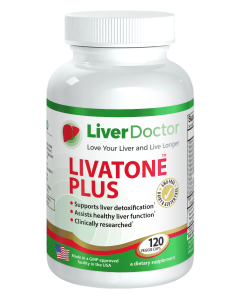
LivaTone® Plus Capsules/Powder
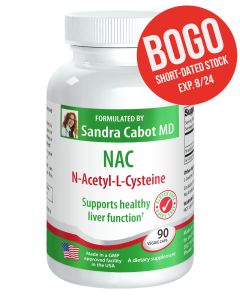
Liver tonics containing St Mary's Thistle may help to enhance the liver's ability to break down toxic chemicals via the Phase One and Phase Two detoxification pathways. Milk Thistle has remarkable liver protective effects protecting against some severe liver toxins.
THESE STATEMENTS HAVE NOT BEEN EVALUATED BY THE FDA AND ARE NOT INTENDED TO DIAGNOSE, TREAT OR CURE ANY DISEASES.