

Almost Half Of Diabetics Have Vitamin And Mineral Deficiencies
Recent research has shown that type 2 diabetics are not getting enough vitamins or minerals in their diet and this is worsening their health. Women are more at risk than men. Diabetics with deficiencies find it harder to balance their blood sugar and are at higher risk of diabetic complications.
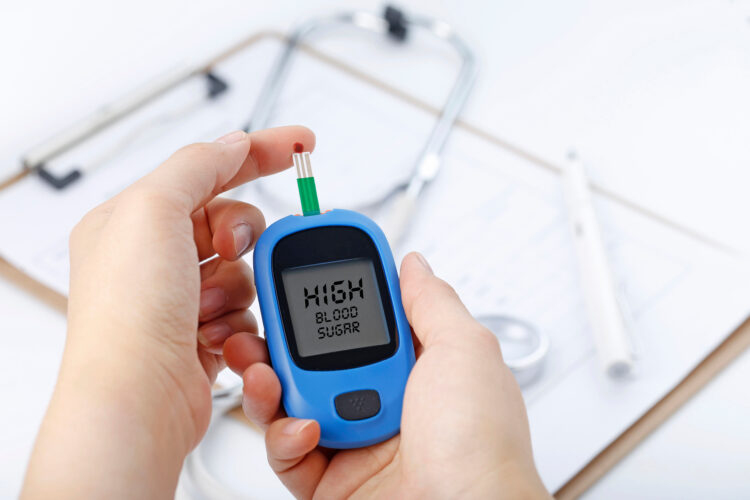
Scientists conducted a meta analysis of studies published in several languages between 1998 and 2023 to determine the prevalence of micronutrient deficiencies in patients with type 2 diabetes.
Patients aged 18 years or older were included. They were tested for deficiencies of minerals, electrolytes and vitamins A, B complex, C, D, E, and K. The patients spanned regions including the Americas, Europe, the Mediterranean, Southeast Asia, the Western Pacific Region and Africa.
Among patients with type 2 diabetes, the prevalence of micronutrient deficiencies was 45.30 percent. Analysis showed that the prevalence of micronutrient deficiency was slightly lower in men than in women.
In order, the prevalence of deficiency was highest for:
The medical treatment of type 2 diabetes usually focuses on intake of carbohydrate, protein and fat, but it’s important to remember that vitamins and minerals need attention too. If you are lacking important vitamins and minerals, you can feel tired which makes looking after your health more difficult. You are also more likely to be frustrated with your blood sugar, blood pressure, cholesterol and weight. Correcting nutrient deficiencies can make the world of difference to your health.
Tips for improving health in type 2 diabetics

It is difficult for many people to get enough vitamin D because they don’t obtain adequate sunshine. You can make vitamin D in your skin from exposure to the sun’s UVB rays, which are present at midday. Vitamin D is fat soluble, so in an overweight person a blood test usually shows low levels because the vitamin D is trapped in body fat. A vitamin D supplement can help correct this.
- Magnesium deficiency is common in most parts of the world. Diabetics lose more magnesium in their urine. When you are stressed, the hormone cortisol increases urinary magnesium loss. Being low in magnesium raises the risk of high blood pressure, anxiety and poor sleep quality. Magnesium can be taken in tablet or powder form.

- Iron is the most common nutrient deficiency in young women before they reach menopause. This is usually because of heavy iron loss in menstruation, pregnancy and breast feeding. Many women don’t eat much red meat because they don’t like the taste or think it is bad for their health. Red meat and liver are the most iron rich foods. Supplemental iron may be necessary.
- Vitamin B12 is found in all animal foods. Vegetarians and vegans are prone to deficiency. Even if you eat animal foods regularly, you can still be low in B12 if your stomach and intestines cannot absorb it properly. This is more common in people with autoimmune disease, those who had bariatric surgery and individuals over the age of 50.
The above statements have not been evaluated by the FDA and are not intended to diagnose, treat or cure any disease.
Know someone who might benefit from this article? Share it!


Search
Shop Our Products by
Health Interest
-

Hormone & Thyroid Health
-

Liver & Gallbladder Health
-

Digestive Health
-

Bone & Joint Health
-

Women's Health
-

Immune Health
-

Healthy Aging
-

General Health
Most Recent Articles
Need Help?
1-888-75-LIVER
Monday to Friday, 9:00 am to 5:00 pm MST
100%
Satisfaction Guaranteed
If it’s faulty or wrongly described, we’ll replace it.