
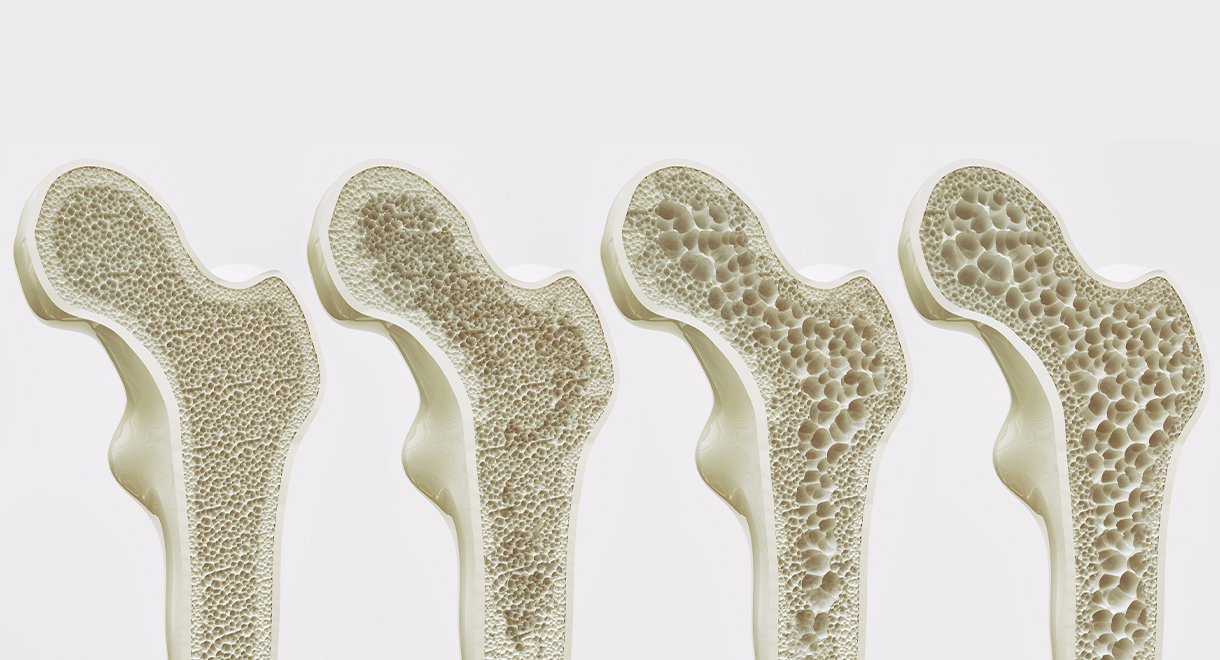
Autoimmune Disease Speeds Up Loss Of Bone Density
Did you know that having an autoimmune disease makes it more likely you’ll develop osteoporosis? People with autoimmune disease have too much inflammation in their body. Inflammation can cause wear and tear right throughout the body, not just the part affected by the autoimmune disease. Fortunately there are strategies to help protect your bones.
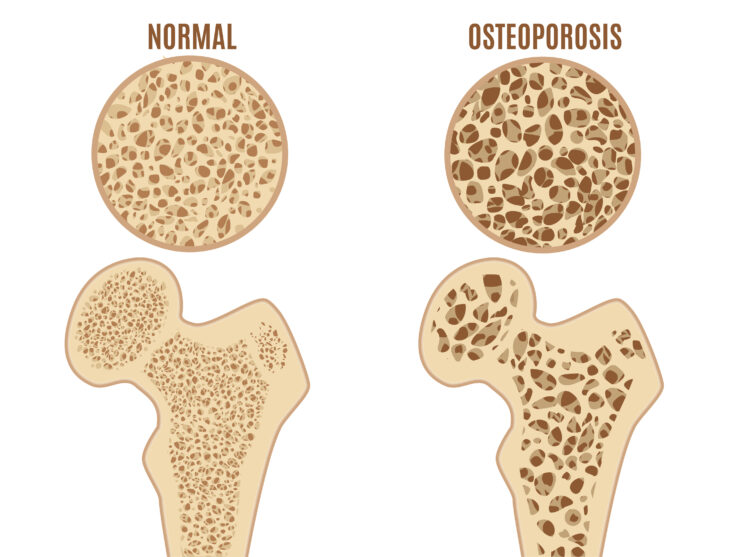
Autoimmunity and bone loss are linked
Autoimmune diseases significantly increase future risk of osteoporosis via chronic inflammation. This disrupts bone remodeling. If medications like steroids are used, this leads to weaker, less dense bones that are prone to fractures. Rheumatoid arthritis (RA) and lupus are the most likely conditions to lead to bone loss. Autoimmune inflammatory processes directly trigger bone loss by activating cells that break down bone. This creates a state where bone resorption (loss) outpaces formation.
How does autoimmunity weaken bones?
Immune cells can release inflammatory cytokines (chemical messengers) that interfere with osteoblasts (cells that create new bone) and stimulate bone-destroying cells (osteoclasts), accelerating bone breakdown.
Some specific autoantibodies can directly promote osteoclast activity, causing bone damage.
Some medication typically used in autoimmune disease can harm bones. Long term use of corticosteroids directly reduces bone density and increases fracture risk.
Some autoimmune conditions can affect calcium absorption and increase its excretion. This is most common in conditions that affect the intestines such as celiac disease and inflammatory bowel disease.
Osteoporosis is a silent disease that usually doesn’t cause symptoms until significant bone loss has occurred.
How to help your bones
- It’s important to try and improve your autoimmune condition and reduce the amount of inflammatory chemicals your immune system produces. You can achieve this by removing inflammatory foods from your diet (typically gluten, sugar, dairy products, food additives, alcohol and any food you have an intolerance to).
- Improve the health of your gut lining so that fewer gut toxins are absorbed into your bloodstream and you also absorb nutrients better. There is detailed information on how to heal leaky gut in our book Healing Autoimmune Disease: A plan to reduce inflammation and help your immune system. Glutamine is excellent for healing the gut lining because it repairs the cells that live there.
- Make sure your stomach produces enough hydrochloric acid to absorb calcium properly. Insufficient stomach acid is common in those with autoimmunity and food intolerance. You can improve your stomach acid level by taking a betaine hydrochloride supplement and having diluted apple cider vinegar before meals.
- Calcium is one important mineral needed for a strong skeleton, bit there are others. Magnesium, manganese, zinc, silica, boron, strontium and copper are essential also. Dairy products such as milk, yogurt and cheese are a source of calcium but some people are allergic to dairy. Foods high in calcium and other minerals include tinned fish (including the bones), broccoli, Bok choy, raw nuts and seeds, tahini, hummus, seaweed and legumes. Refined foods are sadly lacking in all minerals – these include foods made of white flour and white rice. Gluten can reduce the absorption of minerals in many people, especially if they eat large amounts of gluten.
- Lack of physical activity can promote bone loss. Sedentary jobs and hobbies promote bone as well as muscle loss. Weight bearing exercise helps to strengthen bones, and all exercise helps to maintain balance and flexibility; reducing the tendency of falls that cause fractures.
- Stress and lack of quality sleep increase levels of inflammatory chemicals in the body. Both emotional stress and illness, which is a physical stress on the body can reduce bone density. Magnesium is a wonderfully calming mineral that improves stress coping abilities and improves sleep quality.
- Vitamin D enables calcium absorption. Sunlight helps convert the cholesterol in your body into vitamin D. Many people do not obtain sufficient sunshine to enable this, or their cholesterol level is being artificially lowered with medication. A few foods contain vitamin D; these include oily fish, eggs yolks, full fat dairy products and the fat on meat. A vitamin D blood test is the ideal way to know if you’re obtaining enough.
- Many people don’t get sufficient vitamin K2. This vitamin puts calcium into the bones, and reduces deposition of calcium in the arteries where you don’t want calcium to build up. The fermented soy food “natto” has the highest vitamin K2 levels of any food; it is an acquired taste and also not available to purchase for many people. Beef and lamb liver are high in vitamin K2 but they are not commonly eaten foods. The fat on red meat contains some vitamin K2. Leafy green vegetables contain vitamin K1, and good gut bugs can convert it into K2, but a large number of people with poor gut health lack these beneficial microbes.
The above statements have not been evaluated by the FDA and are not intended to diagnose, treat or cure any disease.
Know someone who might benefit from this article? Share it!


4 Comments
Search
Shop Our Products by
Health Interest
-

Hormone & Thyroid Health
-

Liver & Gallbladder Health
-

Digestive Health
-
Bone & Joint Health
-

Women's Health
-

Immune Health
-

Healthy Aging
-

General Health
Most Recent Articles
Need Help?
1-888-75-LIVER
Monday to Friday, 9:00 am to 5:00 pm MST
100%
Satisfaction Guaranteed
If it’s faulty or wrongly described, we’ll replace it.
Which product are you referring to?
Kind regards,
Jessah Shaw
Nutritionist
I have osteoporosis and an underactive thyroid (Hashimoto's) I cannot take any of the tablets the doctor prescribed as I react to them. can you give a list that I can take I'm in Australia
thanks
Thank you for your email.
We recommend checking out Dr Cabot’s YouTube videos here:
https://www.youtube.com/@drsandracabot/search?query=osteoporosis
https://www.youtube.com/watch?v=pTnFmr5yyXg
For your osteoporosis, we recommend taking
Calcium Complete – 2 tabs twice daily.
Super Vitamin K – 2 caps daily.
We are currently waiting to receive more Super Vitamin K. To place an order you will need to call us on 02 4655 4666.
We should have some in 2-3 weeks time.
For your underactive thyroid, we recommend you take thyroid health, and our smoky kelp powder.
You can view all these products except for the Super Vitamin K here:https://shop.cabothealth.com.au/
You may also benefit from a telehealth consult with our naturopath, Margaret Jasinska. It’s $150 for a consult. If you are interested, I can forward your email to her.
Kind regards,
Jessah Shaw
Nutritionist