
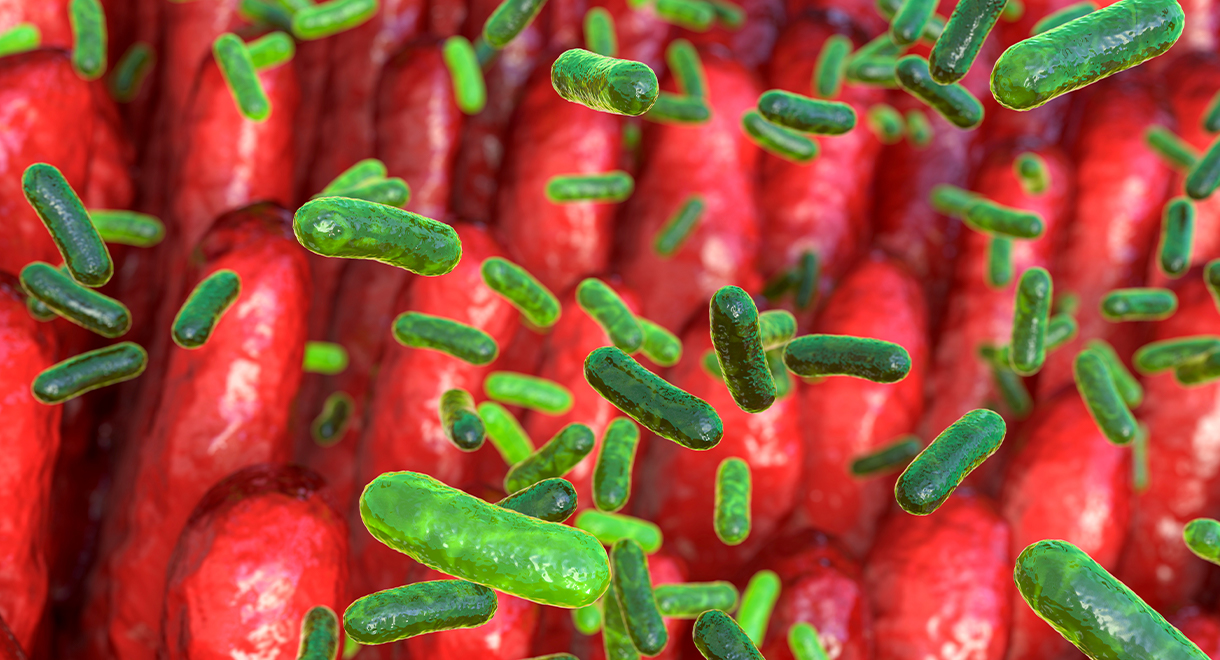
Bad Gut Bugs Can Cause An Under Active Thyroid
Results of a new study have shown that people with an underactive thyroid caused by the autoimmune disease Hashimoto’s thyroiditis are much more likely to have gut health problems. In particular they usually have small intestinal bacterial overgrowth as well as dysbiosis.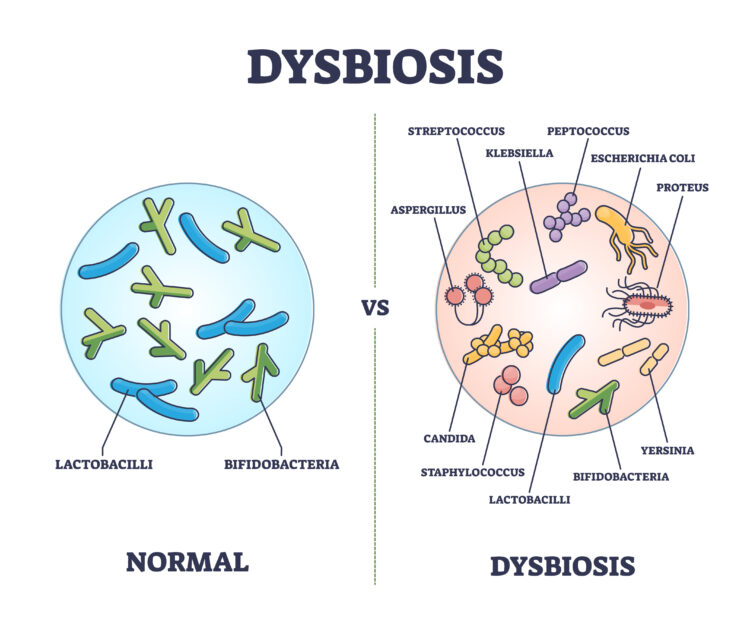
Dysbiosis means too many bad and not enough good gut bugs. Small intestinal bacterial overgrowth means too much bacteria in the wrong part of the intestine. They are supposed to be in the large intestine but people with SIBO have bacteria and yeast in their small intestine. Both of those conditions can lead to inflammation of the gut lining which can create a leaky gut. Leaky gut opens the doorway to autoimmune disease in genetically susceptible people.
According to authors of the study, “The research supports the idea that improving gut health could have far-reaching effects beyond digestion, possibly even helping to prevent autoimmune diseases, such as Hashimoto thyroiditis”. This study finding was presented at ENDO 2025: The Endocrine Society Annual Meeting.
In one study, researchers evaluated data on 49 patients with Hashimoto thyroiditis and 323 healthy individuals without the condition. In a separate study, the scientists evaluated a database on the 10 year incidence of developing SIBO among 1.1 million individuals with hypothyroidism in the US compared with 1 million healthy people.
The researchers found that people with hypothyroidism were approximately twice as likely to develop SIBO compared with those without hypothyroidism, and those with autoimmune Hashimoto’s disease were 2.4 times as likely.
How does the gut affect the thyroid?
Dysbiosis and SIBO weaken the intestinal barrier. They make the gut lining excessively permeable. This enables gut wastes to make their way into the bloodstream. This acts as a chronic irritant to the immune system.
Having an underactive thyroid gland slows down gut motility. Individuals are more prone to constipation. Stool remains in the intestines for longer and this allows a build up of the wrong bacteria and other microbes.
How to heal your gut to protect your thyroid gland
Remove problematic foods
The worst offenders are gluten, dairy products, legumes and sugar. Other potentially problematic foods include all grains, eggs and nightshade vegetables (tomatoes, potatoes, capsicum and eggplant). These foods contain various proteins that may inflame the gut lining in some people. Lectins, saponins and enzyme inhibitors can impair digestion and increase intestinal permeability. This is explained thoroughly in our book Healing Autoimmune Disease. In addition, any food to which you have an allergy or intolerance can inflame your gut when you consume it.
Correct dysbiosis and small intestinal bacterial overgrowth
 Dysbiosis means having too much bad bacteria, Candida or other microbes in the bowel and not enough good microbes. These harmful bugs inflame the gut lining and inhibit nutrient absorption. It is important to correct this imbalance with an herbal anti-parasitic formula, and with the diet changes mentioned above. Another common problem is Small Intestinal Bacterial Overgrowth (SIBO). This means there are too many microbes growing in the small intestine, where they shouldn’t be. They aren’t necessarily bad bugs, they’re just living in the wrong place. SIBO commonly causes nutrient deficiencies and it is strongly linked with restless legs syndrome. Sometimes a low FODMAP diet is necessary in order to overcome SIBO. BactoClear capsules are a natural disinfectant for the gut because they contain the essential oils of clove, oregano and thyme, as well as berberine.
Make sure you’re not constipated.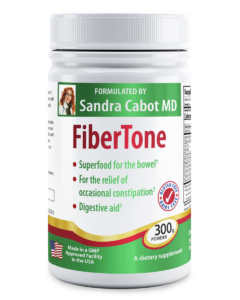
If waste doesn’t move out of your intestines regularly enough, bad gut bugs will flourish. Water, salt and fat are all laxatives. Fiber can be helpful for some people and problematic for others. Fibertone is a gentle fiber supplement that is low FODMAP and helps to sweep the intestines clean.
Improve digestive function
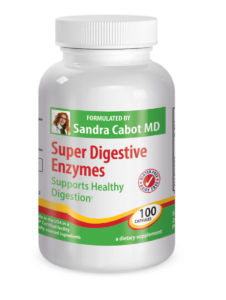 Deficiencies of stomach acid, bile and digestive enzymes are almost always present in people with a leaky gut. It is critically important that you digest your food as thoroughly as possible. This will enable you to absorb the maximum amount of nutrients from your food, but there’s also another reason. If you don’t digest your food properly, it will literally rot or ferment inside your gut. The residues of undigested carbohydrate in particular, will act as food for harmful gut microbes, or encourage their growth in the small intestine, creating SIBO and a leaky gut. These wastes that aren't being digested properly will also leave you feeling dreadful. Common symptoms include bloating, gas, foggy head, low mood, anxiety or low motivation. Supplementing with hydrochloric acid, digestive enzymes and ox bile can be immensely helpful.
Heal and seal the gut
There are specific foods and nutrients that help to reduce inflammation in the digestive tract and restore the health of the intestinal lining. We need to make it a stronger barrier, so that you don’t keep absorbing toxins and wastes into your bloodstream.
The most important substances to heal a leaky gut are glutamine, bone broth, berberine, zinc and vitamin A. For more information about leaky gut see the book Healing Autoimmune Disease: A plan to help your immune system and reduce inflammation.
The above statements have not been evaluated by the FDA and are not intended to diagnose, treat or cure any disease.
Know someone who might benefit from this article? Share it!


3 Comments
Search
Shop Our Products by
Health Interest
-

Hormone & Thyroid Health
-

Liver & Gallbladder Health
-

Digestive Health
-

Bone & Joint Health
-

Women's Health
-

Immune Health
-

Healthy Aging
-

General Health
Most Recent Articles
Need Help?
1-888-75-LIVER
Monday to Friday, 9:00 am to 5:00 pm MST
100%
Satisfaction Guaranteed
If it’s faulty or wrongly described, we’ll replace it.
is it ok to take all 3 together and at same time?? Bacto clear, fibre tone and digestive enzymes??? Or is that too much??
It's completely safe to take all 3 together.
We recommend taking Bactoclear and Super Digestive Enzymes with food.
Kind regards,
Jessah Shaw
Nutritionist