

Case Study: Abdominal Bloating And Diverticulitis
Peter is a 49 year old man who came to my clinic seeking help with long standing bowel problems. He has suffered with digestive complaints since his 20s. Peter works as a landscape gardener and lawn mower. His job is very physical and he was tired of his digestive system interfering with his ability to work.
Peter’s abdomen became increasingly bloated as the day progressed. Trapped gas caused abdominal cramps and Peter often had to stop what he was doing, massage his abdomen and wait for the cramps to go away.
Recently Peter suffered with more serious episodes of abdominal cramps that forced him to see his doctor. Investigations showed that Peter has diverticulosis. That means there are pouches in his large intestine, where the walls of the intestine have become weakened. If the pouches become inflamed or infected, this is referred to as diverticulitis.
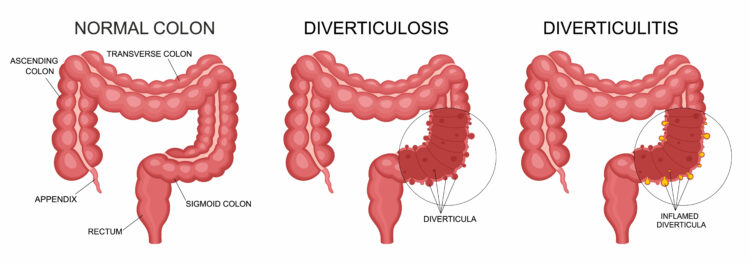
Abdominal pain is the most common symptom, and it’s usually on the left side. Depending on the severity, some people also experience fever, nausea, vomiting and constipation. In serious cases, diverticulitis can cause tears in the bowel that bleed, or blockages in the bowel.
Peter’s episodes of diverticulitis were mild and resolved with antibiotics. He was scared of developing more serious bowel problems and tired of the disruptions to his life that his gut was causing him.
Peter’s diet wasn’t bad, but he did eat a lot of bread because it was a meal that’s fast to prepare and fast to eat. His breakfast and lunch were based on bread. His dinner usually comprised of meat or poultry with vegetables. Peter made sure to avoid eating seeds that could become trapped in his bowel pockets and cause an episode of diverticulitis. Peter didn’t drink enough water because he doesn’t have regular access to a bathroom in his type of work. Unfortunately it made him prone to constipation and that increases the risk of infections developing in the diverticular pockets.
My recommendations for my patient
I asked Peter to remove all grains from his diet. This would reduce the amount of fiber, and particularly scratchy and irritating wheat fiber from his diet. Reducing the amount of carbohydrate in his diet would reduce the bloating and gas he was experiencing. Taking a Digestive Enzymes capsule with each meal would help Peter extract more nutrients from his meals and would reduce symptoms of bloating and gas.
People with diverticulosis usually have bacterial overgrowth in their intestines. This is because waste products and bacteria become trapped in the bowel pockets. Symptoms can include bloating and gas and it raises the risk of a serious bout of diverticulitis that requires antibiotics. I asked Peter to take 2 BactoClear capsules twice daily with meals for two months, and then take Floratone probiotic capsules to repopulate with good bacteria.
With his diet, I asked Peter to focus on vegetables, protein-rich foods (such as seafood, meat, eggs and poultry), along with natural fats like olive oil, coconut oil and traditional animal fats such as ghee, lard or duck fat. Eating some fat with each meal actually improves absorption of fat soluble vitamins and antioxidants, and fat has a mild laxative effect. This is because it triggers the gallbladder to secrete bile.
I asked Peter to come back in one month so I can check up on his progress.
There is more information about diverticulitis in my book Heal Your Gut an A to Z Guide.
The above statements have not been evaluated by the FDA and are not intended to diagnose, treat or cure any disease.
Know someone who might benefit from this article? Share it!


Search
Shop Our Products by
Health Interest
-

Hormone & Thyroid Health
-

Liver & Gallbladder Health
-

Digestive Health
-

Bone & Joint Health
-

Women's Health
-

Immune Health
-

Healthy Aging
-

General Health
Most Recent Articles
Need Help?
1-888-75-LIVER
Monday to Friday, 9:00 am to 5:00 pm MST
100%
Satisfaction Guaranteed
If it’s faulty or wrongly described, we’ll replace it.