

Case Study: Fatty Pancreas in A Patient with Insulin Resistance
Karen is a 50 year old lady who came to see me recently because of a new diagnosis of fatty pancreas. She also had a fatty liver, which she had known about since her early 40s. The fatty liver was a concern but Karen wasn’t truly frightened for her health until the diagnosis of fatty pancreas. Type 2 diabetes ran through the family and Karen didn’t want to suffer with the same chronic health problems as most of her family.
Karen was not very overweight to look at. Her weight was very important to her. She had an expensive wardrobe and loved buying new clothes. She had recently gained weight around her torso which bothered her greatly. Karen loved chocolate and ice cream and cookies. She tried to limit her intake of those foods but regularly ate more than she intended. To try and compensate, she then skipped the next few meals. Karen constantly swung between intense cravings and regret about over eating.
I was concerned about the fact that Karen was fat on the inside. Her liver and pancreas had accumulated dangerously high levels of fat. This increased her risk of a heart attack, stroke, type 2 diabetes, dementia and cancer. I was also concerned she wasn’t getting enough important nutrients such as protein, essential fatty acids, vitamins and minerals because sugary snacks often replaced proper meals.
Karen worked from home, which made snacking far too easy. She was a writer and had stressful deadlines. She often used sugar as a mental pick-me-up to give her the energy for a difficult mental task. The sugar and flour aggravated Karen’s gut. She often experienced bloating and abdominal cramps, and that’s the reason Karen had an abdominal scan that detected the fatty pancreas.
My recommendations for my patient:
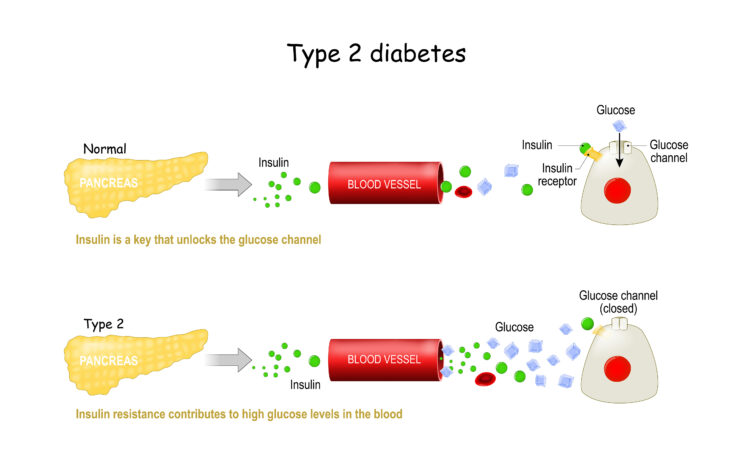
Having a fatty pancreas impairs the ability of the pancreas to produce insulin. This is a major type 2 diabetes risk factor. I explained the eating plan in my book Diabetes Type 2 You Can Reverse It to Karen. The guidelines in this book are just as applicable to pre-diabetics. Carbohydrate intake needs to be reduced because an insulin resistant person just turns carbs into fat. 
Karen didn’t eat enough protein. In fact her meals were too small. I encouraged her to put more time, effort and love into her meals. If she eats enough protein and fat and fiber at meal time, she is less likely to battle sugar cravings later in the day. Meat, seafood, poultry, eggs and whey protein powder are all excellent sources of nourishing and satisfying protein.
 Magnesium is extremely calming and relaxing. I asked Karen to take one teaspoon each day with her dinner. It helps improve stress coping abilities and reduces anxiety. It is always easier to stick to a healthy diet when you feel calm and well rested.
My liver tonic Livatone Plus would help to clear the fat from her liver much faster than diet changes alone. A liver that is fatty and inflamed causes fatigue and worsens insulin resistance. My liver tonic improves energy levels and this helps improve motivation for self care.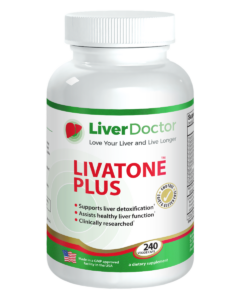
Sugar cravings were a real problem for Karen, especially around 11am and again at 3pm. She felt like some days she couldn’t make it through her deadlines without some chocolate. I asked her to take one Glicemic Balance capsule with each meal. The herbs and nutrients in this formulation help to balance and stabilize blood sugar throughout the day. This significantly reduces cravings for sugar and other high carbohydrate foods.
I plan to see Karen again in 5 weeks.
The above statements have not been evaluated by the FDA and are not intended to diagnose, treat or cure any disease.
Know someone who might benefit from this article? Share it!


2 Comments
Search
Shop Our Products by
Health Interest
-

Hormone & Thyroid Health
-

Liver & Gallbladder Health
-

Digestive Health
-

Bone & Joint Health
-

Women's Health
-

Immune Health
-

Healthy Aging
-

General Health
Most Recent Articles
Need Help?
1-888-75-LIVER
Monday to Friday, 9:00 am to 5:00 pm MST
100%
Satisfaction Guaranteed
If it’s faulty or wrongly described, we’ll replace it.
We're sorry to hear about your health struggles.
we hope you find our information helpful.
Please let us know if you have any queries.
Kind regards,
Jessah Shaw
Nutritionist