
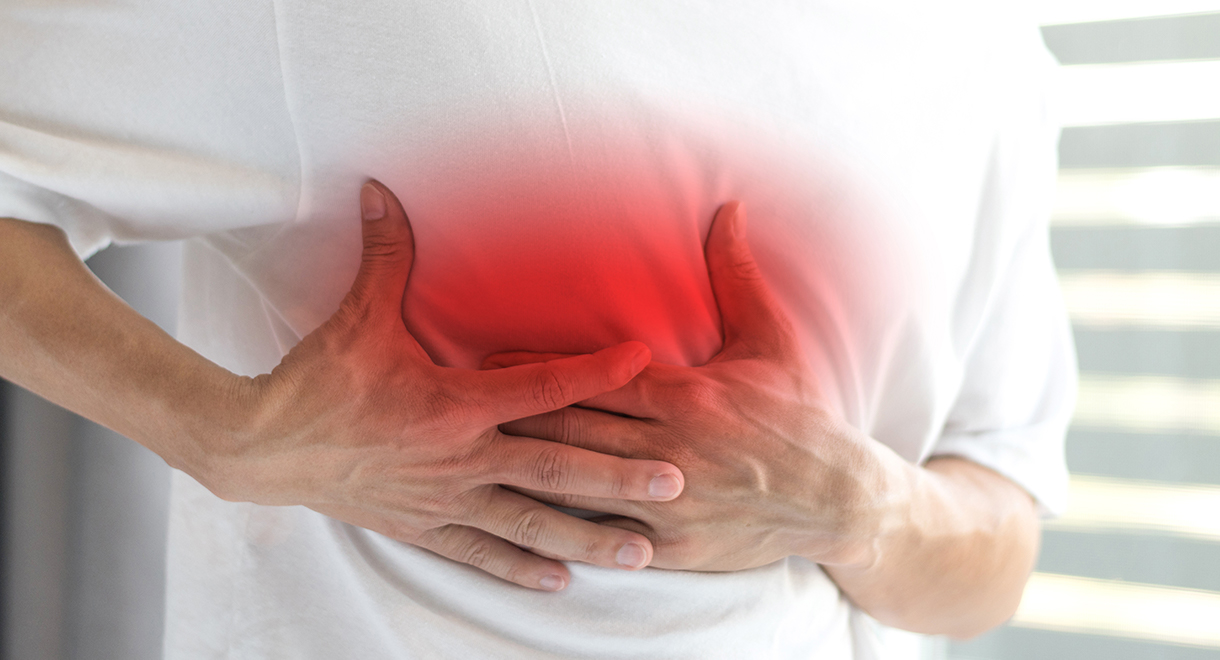
Case Study: Gallbladder Attack and Fatty Liver
Lewis is a 48 year old man who recently had a consultation with me following a gallbladder attack.
He had been visiting his parents for his mother’s birthday one weekend recently. Lewis ate a large barbeque dinner late on the Saturday night and a large portion of dessert afterwards. He snacked on chocolate and cookies later in the evening and then went to bed.
Lewis is usually a good sleeper but had a restless night. He woke the next morning feeling mildly nauseous and with a bloated abdomen. He isn’t normally a breakfast eater, so had his almond milk coffee as usual. At lunchtime on the Sunday, Lewis had a small portion of salmon and salad. He had to excuse himself from the table because he had an urgent desire to vomit.
Lewis ended up vomiting three times in succession. He also had extreme pain in the right upper part of his abdomen that mildly radiated to his right shoulder blade. Lewis described the pain as 9 out of 10 intensity. He was sweating profusely, so his father drove him to the nearest hospital.
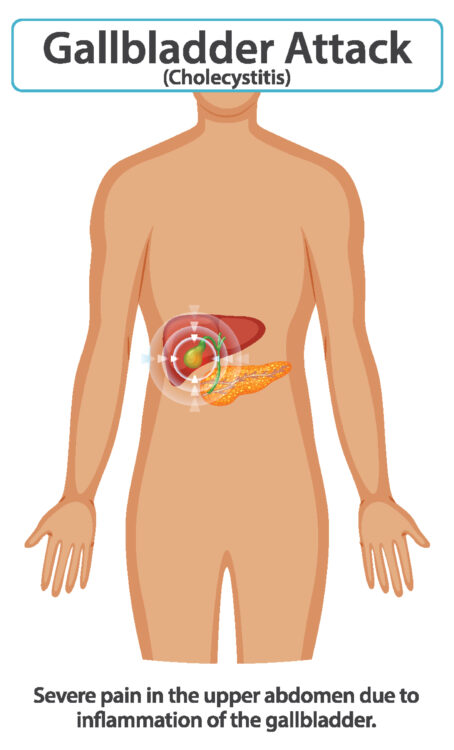
Lewis was administered pain killers and three hours later was able to leave the hospital. All of his symptoms had disappeared. A blood test showed elevated liver enzymes, indicating probable bile duct blockage because of a gallstone. A doctor in the hospital gave Lewis a referral to have an ultrasound scan of his liver and gallbladder the next day.
Lewis was a previous patient of mine. He had consultations with me years ago for an under active thyroid gland. Because of previous consultations and the fact that Lewis was interested in healthcare, he had a good diet most of the time. His regular diet mostly consisted of eggs, meat, seafood and vegetables. He was a good cook and enjoyed simple meals most of the time.
There is quite a lot of stress in Lewis’ life because he is self employed and he has a seven month old son. Sugar and alcohol are his main ways of coping. Lewis goes through long stretches of eating extremely well and exercising daily, but also long stretches of junk food and alcohol binges.
The ultrasound report showed that Lewis has one gallstone and one gallbladder polyp. The stone is 5mm and the polyp is 4mm. Fortunately this stone is too large to get stuck in the bile duct, so Lewis is not likely to have another gallbladder attack any time soon. The gallbladder polyp should be monitored because in a small number of cases they can become cancerous. The ultrasound also showed a mild fatty liver and fatty pancreas.
My recommendations for my patient
The gallbladder attack gave Lewis quite a fright. That was a month ago now and he has been quite motivated to eat well since.
I have the following recommendations:
- I asked Lewis to stick to the eating plan in the book Fatty Liver: You Can Reverse It. This is a lower
 carbohydrate, higher protein and healthy fat diet. It is not necessary or beneficial to avoid fat if you’ve got a fatty liver or gallstones. You just need to avoid unhealthy fats: margarine and industrial seed oils high in omega 6 fats. Some fat is necessary in the diet because it keeps bile flowing and prevents stasis. It is critical to reduce sugar and alcohol consumption though, because they make bile thicker and promote stone formation. Glicemic Balance capsules reduce sugar and carbohydrate cravings, making it easier to stay away from unhealthy foods.
 - The liver tonic Livatone Plus contains the nutrients needed by the liver to burn fat more efficiently and also detoxify the bloodstream. This would help Lewis lose some fat from his liver and pancreas. It would also enable his liver to manufacture healthy bile.
- I asked my patient to drink 1 tablespoon of apple cider vinegar in ¼ mug of warm water five minutes before each meal. This would prepare his digestive system for food. I also asked him to take Digestive Enzymes and Betaine Hydrochloride, as they help send the correct signals to the gallbladder to contract properly.
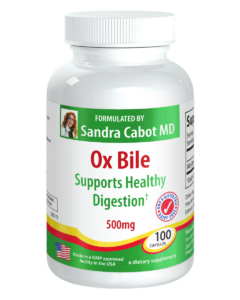
- Ox bile is a powerful supplement to help dissolve gallstones. The bile salts help to thin the bile, reducing sludge. They also help to wear away gallstones, and in time can help to dissolve them.
- Magnesium is an incredibly calming and relaxing mineral. I asked Lewis to take some each evening. Reducing stress and tension is extremely important because it makes it so much easier to remain committed to taking good care of yourself, eating well and getting sufficient sleep.
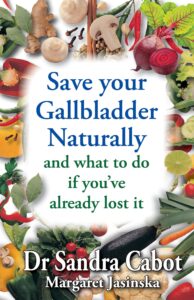
For more information about helping your gallbladder see the book Save Your Gallbladder Naturally, and what to do if you’ve already lost it.
The above statements have not been evaluated by the FDA and are not intended to diagnose, treat or cure any disease.
Know someone who might benefit from this article? Share it!


Search
Shop Our Products by
Health Interest
-

Hormone & Thyroid Health
-

Liver & Gallbladder Health
-

Digestive Health
-
Bone & Joint Health
-

Women's Health
-

Immune Health
-

Healthy Aging
-

General Health
Most Recent Articles
Need Help?
1-888-75-LIVER
Monday to Friday, 9:00 am to 5:00 pm MST
100%
Satisfaction Guaranteed
If it’s faulty or wrongly described, we’ll replace it.