
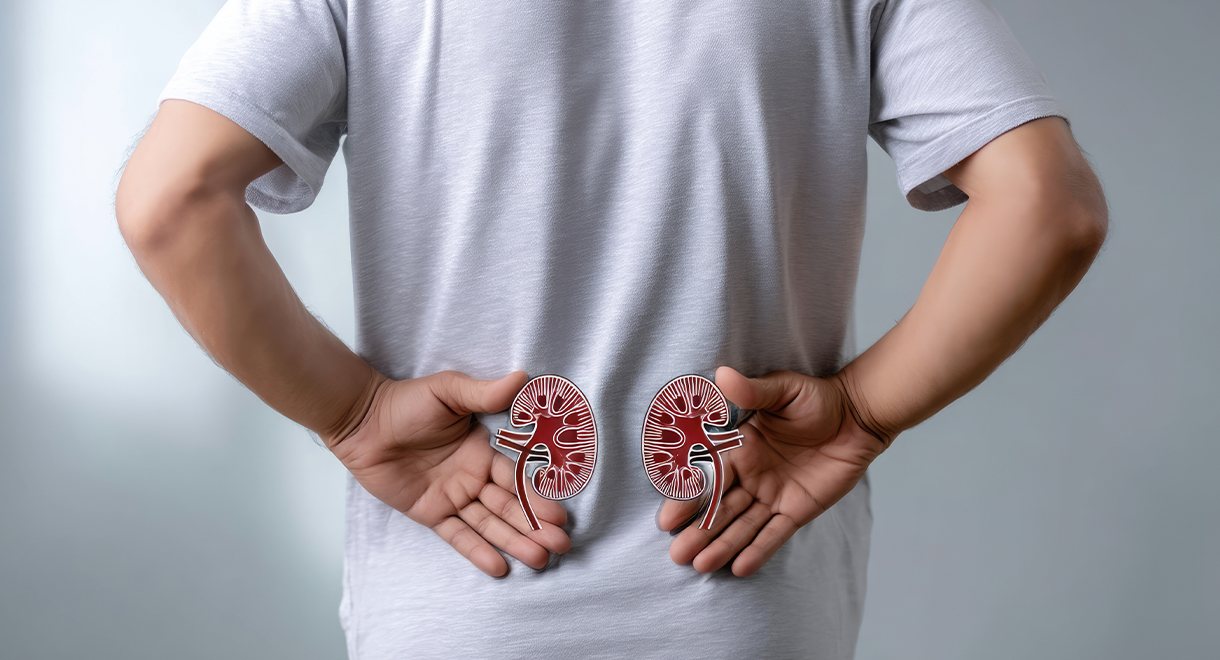
Case Study: Kidney Stone in a Diabetic
Mervin is a 43 year old man who came to my clinic seeking help with weight loss and better blood sugar control. Everyone in his family was overweight in the abdominal region, and his mother and aunt were both type 2 diabetics. Mervin knew that type 2 diabetes placed his heart at risk. He had young children and wanted to be healthy and energetic for them.
Mervin was diagnosed with a fatty liver in his late 30s. He is a busy person, working long hours during the week and spending as much time as possible with his family on weekends. He knew he needed to address the fatty liver but it was always at the bottom of his priority list.
Mervin had been meaning to have a consultation with me for more than 6 months. What finally prompted the booking was a scary trip to hospital one Sunday afternoon. He was taken to hospital in severe pain and a scan showed the presence of one kidney stone. Mervin was given strong painkillers and sent home that evening. Kidney stones are far more common in men than women, and the majority of cases do not require surgery. Two days later Mervin experienced the severe lower back pain again and made a second trip to hospital. A scan showed that the stone was no longer present, so he must have passed it.
That was a frightening experience for Mervin. It forced him to pay more attention to his health. He said the kidney stone pain was the worst pain he’d ever experienced and he’d do anything to avoid that again. He was also becoming increasingly worried and anxious about being a diabetic and how it can permanently harm his health.
Mervin experienced a great deal of hunger and cravings, for ice cream in particular. The weather was never too cold for ice cream. Mervin had a high pressure job and he always ate ice cream after dinner, as a reward for making it through the day. He knew it was unhealthy but felt powerless to stop. The kidney stone experience finally enabled him to kick the habit.
Mervin had elevated uric acid levels in his blood, which is common in people with type 2 diabetes. Uric acid can cause gout or kidney stones. Therefore his doctor had put him on the medication allopurinol, to keep the uric acid down. Despite this, his level was still higher than ideal and Mervin did experience mild ankle and toe pain occasionally.
My recommendations for my patient
Because of his long working hours, Mervin was chronically sleep deprived. Lack of sleep is a huge risk factor for nearly every serious disease, particularly type 2 diabetes. I gave him melatonin and magnesium, to help him get to sleep more quickly and improve the quality of his sleep.
Since the hospital trip, Mervin’s diet was much better but it was a massive struggle to stay on track. He didn’t eat enough protein or fat, and as a consequence was hungry all day and craved sugar after dinner. I gave him Glicemic Balance capsules to balance his blood sugar and reduce cravings, and I also asked him to modify his diet.
Mervin knew he needed to keep his carbs low but needed some structure, meal ideas and recipes. I asked him to follow the eating guide in my book Diabetes Type 2: You Can Reverse It. He needed to base his diet on meat or seafood or poultry or eggs and accompany them with low carbohydrate vegetables.
Not drinking enough water is a big risk factor for developing a kidney stone; so is having insulin resistance. I asked Mervin to drink 8 to 10 glasses of water each day. I also asked him to take Kidney Health Formula capsules to help reduce the risk of further stones. They are one of the most painful 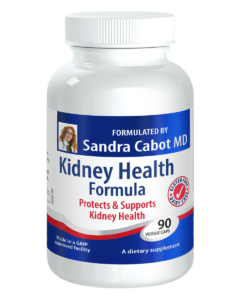 conditions and Mervin was highly motivated to never go through that experience again. Kidney Health capsules contain the herb Phyllanthus amarus, which has a long history of use in the prevention of kidney stones. They also contain cranberry, parsley, vitamin C and NAC to further support kidney health. I asked Mervin to follow a low oxalate diet to further reduce his kidney stone risk.
Mervin was a highly motivated patient and he followed the diet perfectly. I saw him again 5 weeks later and he had lost 8 pounds and no longer suffered with cravings. He planned to see me every 4 weeks to keep himself accountable with the diet and supplements.
The above statements have not been evaluated by the FDA and are not intended to diagnose, treat or cure any disease.
Know someone who might benefit from this article? Share it!


Search
Shop Our Products by
Health Interest
-

Hormone & Thyroid Health
-

Liver & Gallbladder Health
-

Digestive Health
-

Bone & Joint Health
-

Women's Health
-

Immune Health
-

Healthy Aging
-

General Health
Most Recent Articles
Need Help?
1-888-75-LIVER
Monday to Friday, 9:00 am to 5:00 pm MST
100%
Satisfaction Guaranteed
If it’s faulty or wrongly described, we’ll replace it.