
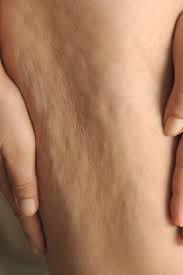
What is cellulite and can anything be done about it?
Cellulite is the word used to describe the lumpy uneven type of fat that accumulates on the buttocks and limbs of many women. It is rather unsightly because it gives the tissues underlying the skin (subcutaneous tissues) an ‘orange peel’ or ‘cottage cheese’ look.
If we compare cellulite fat to normal fat, we find that in cellulite, there are abnormal, physical and chemical changes. In women with cellulite, pinching of the skin produces a ‘mattress appearance’ with bulging and pitting of the fatty layer. On deep palpation of this layer, one may be able to feel tender nodules of fat trapped inside hardened connective tissue.
Cellulite isn’t just a matter of age and body weight; it can be present in normal weight 16 year old girls, while some overweight women in their 50s don’t have any. Whether or not you have cellulite is mostly determined by your body type, metabolic health, hormone levels and body toxicity.
Cellulite and Body Type
Cellulite is most common in the gynaeoid-shaped woman where it accumulates on the thighs and buttocks. In the lymphatic-shaped woman, it may accumulate on the legs, upper arms, buttocks and abdomen. If any of the four body shapes become very overweight, cellulite may develop, as the metabolism of the fatty tissues becomes increasingly underactive. The android and thyroid Body Types are not prone to cellulite unless they become very obese. If cellulite develops in fat tissue, it looks abnormal under a microscope and the fat cell chambers become swollen and pinched by the connective tissue bands seen in our diagram. This results in a restriction of the lymphatic fluid draining the fat cells and a slowing of blood circulation through the tiny capillaries supplying the fat cells. This reduces oxygen supply to the fat cells. A lowered oxygen supply means a lower metabolic rate in the fat cells. This is why cellulite is so hard to break down and to eradicate. The connective tissue layers and bands in the fat layer become tougher and less elastic, trapping fluids and waste products between them. Eventually, in well-developed cellulite, we see stagnation and hardening of all structures in the fat layers, so that the tissue takes on a lifeless quality—a bit like hard lumpy cheese. But it is always possible to reduce cellulite, no matter how bad it has become.- To lose cellulite, the affected areas must be revitalized and transformed, bringing back active metabolic processes within each fat cell. To achieve complete success, we must have a plan of attack containing several strategies.
- Avoid unhealthy fats found in margarine, industrial seed oils and foods fried in these fats. It is also important to avoid hydrogenated vegetable oil. Hydrogenated fats are known as trans fats and are found in many packaged or commercially baked goods such as cakes, donuts, cookies, muffins and biscuits.
- Some women will find that their cellulite will not disappear completely unless they greatly increase the amount of raw fruits and vegetables in their diet. I remember one young woman with cellulite on her upper outer thighs that refused to budge even though she had given up sugar and followed a high protein low fat diet. After taking her dietary history I could see why – she did not eat significant amounts of raw food. I told her to change her diet so that 60 percent of her foods were raw fruits and vegetables. She did this for 4 months and lost most of her cellulite.
- Alcohol should be restricted to two to four glasses on the weekend, or if you are not fussed, avoid it completely.
- Avoid sugar and high carbohydrate foods. They promote fluid retention and sugar encourages the destruction of collagen in your body. This weakens your connective tissue and encourages the dimply appearance of cellulite.
- [products]2023-L Body Type Figure Control tablets[/products] help to improve circulation and encourage the body to release excess fluid, thereby reducing the puffy appearance some women have. [products]2024-G Body Type Figure Control tablets[/products] help to reduce deposition of fat on the hips, thighs and buttocks by reducing estrogen dominance.
- Try to avoid consuming too much caffeine. It can have a dehydrating effect on your body and this worsens the appearance of cellulite. Try to consume 8 to 10 glasses of water or herbal tea each day.
- Make sure you’re doing the right type of exercise for your body shape. You can read our guidelines here
Know someone who might benefit from this article? Share it!


2 Comments
Search
Shop Our Products by
Health Interest
-

Hormone & Thyroid Health
-

Liver & Gallbladder Health
-

Digestive Health
-

Bone & Joint Health
-

Women's Health
-

Immune Health
-

Healthy Aging
-

General Health
Most Recent Articles
Need Help?
1-888-75-LIVER
Monday to Friday, 9:00 am to 5:00 pm MST
100%
Satisfaction Guaranteed
If it’s faulty or wrongly described, we’ll replace it.
Thank you for your valuable input.
The vigorous brushing toward the heart with a dry bristle brush encourages both blood and lymphatic fluid movement and this is very likely to assist revitalize the tissue to remove the trapped toxins and help to resolve the cellulite.
It is still very important to also ensure a reduced load of toxins and spent hormones by having an anti-inflammatory diet and lifestyle, as is found with Dr Cabot’s 15 Day Cleanse and Maintenance Program.
Kind regards
Victoria
Naturopath for Dr Sandra Cabot MD