

Diabetes Can Affect The Sound Of Your Voice
Did you know that a diabetic’s voice can sound different? This finding was presented at the European Association for the Study of Diabetes (EASD) 2024 conference. Researchers found that people with type 2 diabetes have different voice characteristics than healthy individuals of the same age and gender.
This finding opens up possibilities for checking a person for diabetes without having to do a blood test. Just a few seconds of voice recording on a smartphone could be the way diabetes is diagnosed in the future. Earlier studies have shown that patients with diabetes have distinct voices compared with the general population, and this finding prompted further investigations by researchers.
Why does diabetes affect a person’s voice?
A number of factors are probably responsible. People with type 2 diabetes are more likely to experience cardiorespiratory fatigue and get short of breath. Being obese or overweight can slightly alter vocal parameters compared with people of normal weight, and so can high blood pressure.
Long term diabetes can harm the nerves and muscles of the vocal cords. Type 2 diabetics are more likely to be dehydrated and have a dry mouth. The obesity and nerve damage can predispose a diabetic to gastro esophageal reflux. All of those factors can contribute to create a voice pattern typical of diabetics.
These subtle changes probably won’t be noticeable to the human ear. However, technological advancements in signal processing and artificial intelligence can allow analysis of these small differences and possibly detect diabetes with a reasonable degree of accuracy in the future. The roughness of the voice tends to increase the longer a person has had diabetes. It's also more noticeable in people with poorly controlled diabetes.
A lot of people spend many years with elevated blood sugar, not realizing they are diabetic or pre-diabetic. If you are over the age of 35 please have a thorough blood test every year. Begin at age 30 if you have a family history of diabetes or if you’re overweight. The following may also be symptoms of elevated blood sugar:
- Increased hunger
- Increased thirst
- Fatigue
- Increased urination, particularly at night
- Sores that do not heal
- Infections such as vaginal or skin infections such as boils or fungal infections
- Blurred vision
- Burning, numbness or tingling in the feet or hands
- Weight loss or weight gain
- Irritability and mood changes
- Headaches
- Dizziness
- Erectile dysfunction
- Bell’s palsy and carpal tunnel syndrome.
These conditions can both be a result of nerve damage caused by episodes of high blood sugar.
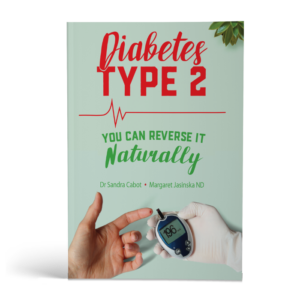
Type 2 diabetes can significantly reduce a person’s life span and their quality of life. Please have your blood sugar checked regularly. For more information see our book Diabetes Type 2: You Can Reverse It Naturally. If you already know your blood sugar is too high, I urge you to read about the benefits of the herbal extract berberine. It helps to reverse insulin resistance, and in that way can help normalize blood sugar, blood fats and make weight loss easier.
Sugar and high carb foods can be extremely addictive and a lot of people live with chronic stress and fatigue. Eating high carb foods can become a coping strategy that is extremely difficult to break. If your blood sugar level is stable and balanced throughout the day, you will be far less prone to cravings and excess hunger. Glicemic Balance capsules can help you achieve good blood sugar control to make sticking to a healthy diet much easier.
The above statements have not been evaluated by the FDA and are not intended to diagnose, treat or cure any disease.
Know someone who might benefit from this article? Share it!


Search
Shop Our Products by
Health Interest
-

Hormone & Thyroid Health
-

Liver & Gallbladder Health
-

Digestive Health
-

Bone & Joint Health
-

Women's Health
-

Immune Health
-

Healthy Aging
-

General Health
Most Recent Articles
Need Help?
1-888-75-LIVER
Monday to Friday, 9:00 am to 5:00 pm MST
100%
Satisfaction Guaranteed
If it’s faulty or wrongly described, we’ll replace it.