
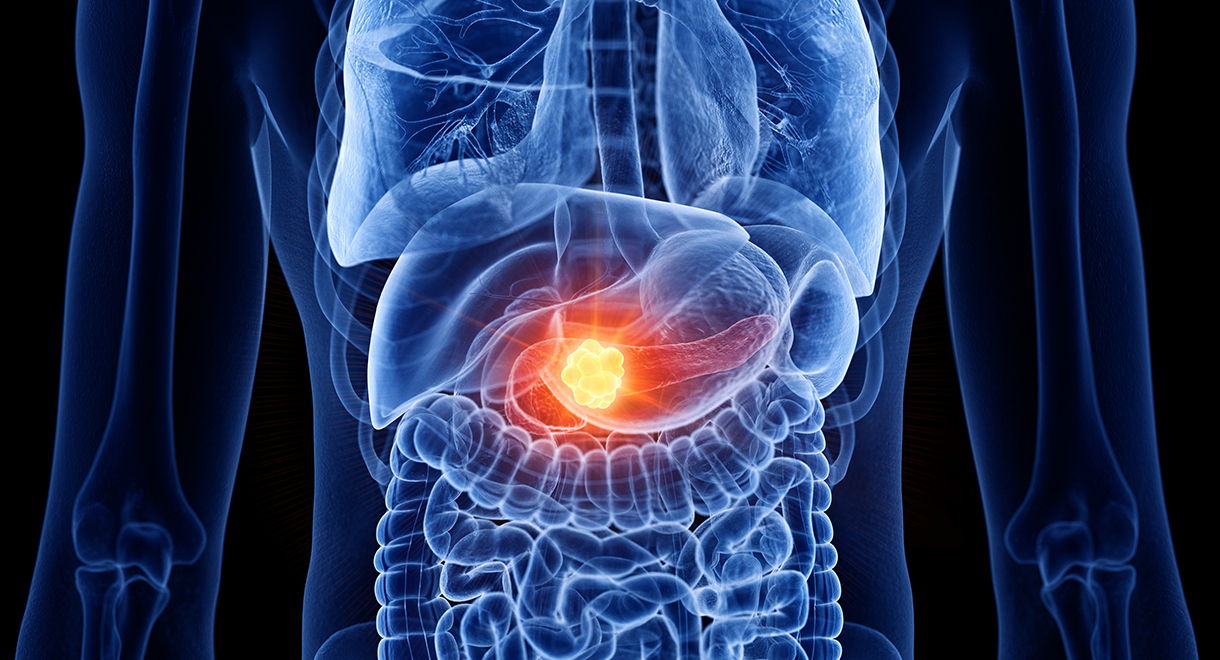
Fatty Liver Almost Doubles Pancreatic Cancer Risk
Fatty liver is an incredibly common condition that affects approximately 40 percent of the US population. It is not a harmless condition. Fatty liver is well known to raise the risk of heart attacks, strokes and type 2 diabetes. New research shows it increases the risk of pancreatic cancer. This is one of the deadliest types of cancer and the incidence is rising.
Research has shown that the more severe the fatty liver, the greater the risk of pancreatic cancer. You do not have to be overweight to have a fatty liver. This finding applies to people of all body sizes.
Why does fatty liver raise pancreatic cancer risk?
The biggest contributing factor is inflammation. A fatty liver is an inflamed liver and the worse the condition of the liver, the more inflammation is present. When the liver is fatty, the pancreas often is too. If you’ve had an ultrasound scan of your abdomen, the report may say there is increased echogenicity of the pancreas. This means a fatty pancreas.
When fat clogs the liver and pancreas, the fat cells produce chemicals called adipokines. These adipokines raise inflammation within the liver and pancreas and any other body part with excess fat. These chemicals also inhibit apoptosis (programmed cell death) and promote cell proliferation and migration.
These are hallmarks of cancer. If these processes are allowed to continue for too long, and there are other risk factors, cancer of the pancreas may develop. Pancreatic cancer almost always has a very poor prognosis. It is a very aggressive type of cancer that spreads quickly and is usually diagnosed at a late stage, when treatment options are very limited.
Do you know if you have a fatty liver?
Many people have an unhealthy liver and don’t know about it. This is because fatty liver often produces no symptoms at all, or the symptoms are very mild. People with a fatty liver are usually overweight in their abdominal area, they may be tired and bloated and feel intolerant of the heat.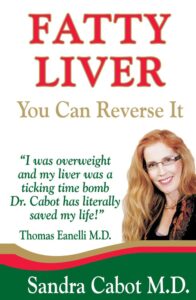
Women with a fatty liver often suffer debilitating hot flashes at menopause, but put the symptom down to a lack of hormones and take HRT (Hormone Replacement Therapy). This usually fixes the hot flashes but may increase the risk of breast, endometrial, and ovarian cancer. It is much healthier to just address the cause of the problem: a fatty liver.
If people become more aware that a fatty liver is a major risk factor for cancer, strokes, heart attacks and diabetes, hopefully they will be more motivated to try and reverse it. The good news is fatty liver is reversible in the vast majority of cases; you just have to know which eating plan is best.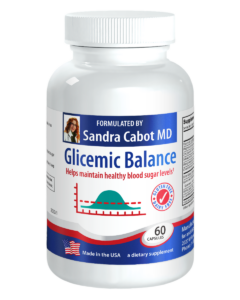
The book Fatty Liver: You Can Reverse It contains a comprehensive plan to help you achieve just that. It can be difficult to stick to a healthy diet if you have a fatty liver. This is because your liver finds it harder to regulate your blood sugar. That means hypoglycemia, intense sugar cravings and low energy are more likely to occur. The herbs and nutrients in Glicemic Balance help to stabilize your blood sugar and reduce those symptoms.
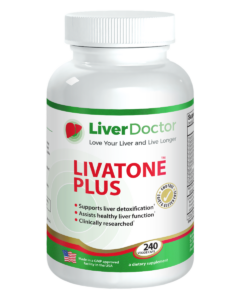 Having a fatty liver means there is a great deal of inflammation inside your liver and this inflammation causes damage to liver cells as well as other organs and tissues of the body. This greatly compromises the ability of your healthy cells to function. It makes it harder for your liver to burn fat and detoxify your bloodstream. A good liver tonic like Livatone Plus will help to improve the health of your liver cells.
The above statements have not been evaluated by the FDA and are not intended to diagnose, treat or cure any disease.
Know someone who might benefit from this article? Share it!


Search
Shop Our Products by
Health Interest
-

Hormone & Thyroid Health
-

Liver & Gallbladder Health
-

Digestive Health
-

Bone & Joint Health
-

Women's Health
-

Immune Health
-

Healthy Aging
-

General Health
Most Recent Articles
Need Help?
1-888-75-LIVER
Monday to Friday, 9:00 am to 5:00 pm MST
100%
Satisfaction Guaranteed
If it’s faulty or wrongly described, we’ll replace it.