
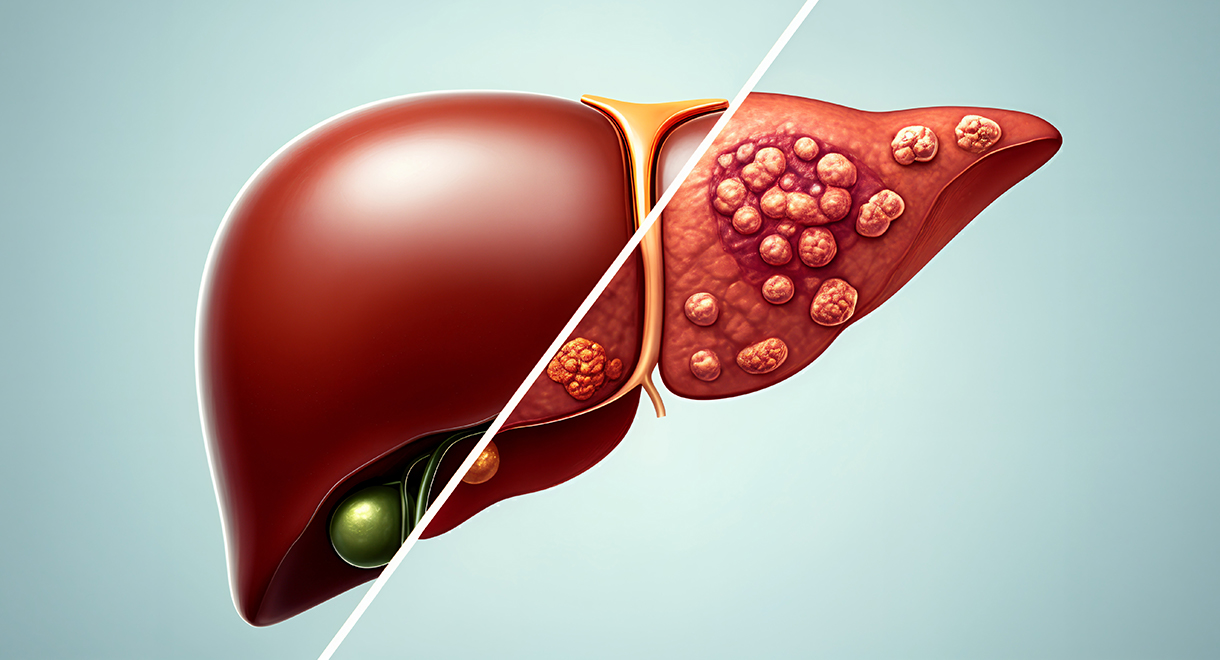
Help Your Liver To Restore Your Health
I have a 68 year old male patient who is struggling with his health. Six months ago he had emergency surgery to remove a badly infected gallbladder, and this undoubtedly saved his life.
I saw him socially the other day and because I know him well, I could be bold enough to say to him that his abdomen was swollen because his liver was swollen with fat – in other words he had a fatty liver. Men of this age who have a fatty liver are in a precarious state of health because they have a higher risk of cardiovascular disease and cancer. His fatty liver was starting to damage his health, and he had painful knees, high blood pressure and was overweight.
I did a little quiz with him – I asked him 2 questions
-
Do you know why you nearly died from an infected gallbladder?
He had no clue and did not understand that the liver makes bile, and his liver was not making healthy bile and that caused his gallbladder disease.
-
Have you heard of Glutathione?
Once again, he had no clue, so I explained that glutathione was the most powerful antioxidant in the body and is largely made by the liver. If you are low in glutathione, you will not be able to repair damaged tissue and cells in your body and you will age more rapidly.
What is Glutathione?
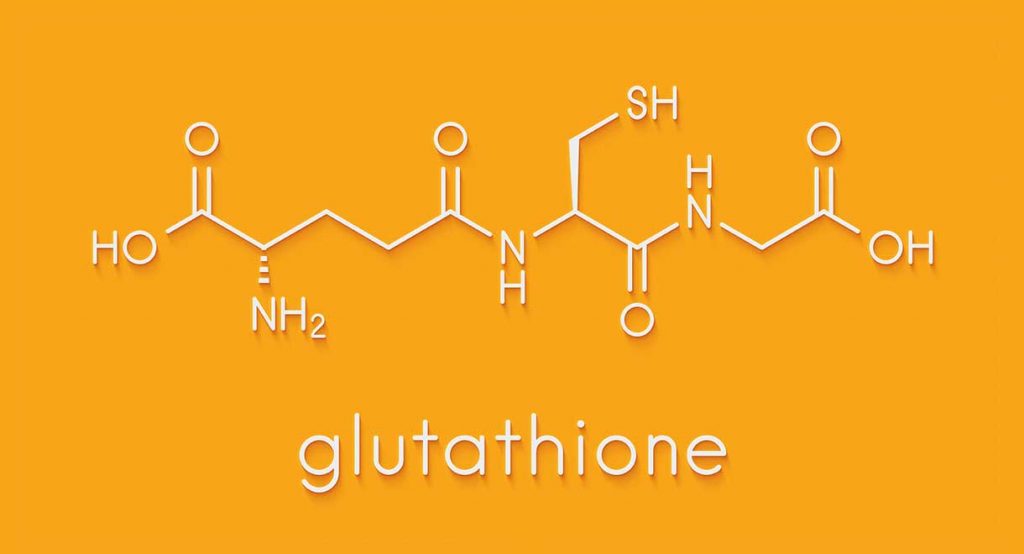
Glutathione is the body’s most important and potent antioxidant. Antioxidants reduce damage to cells (oxidative stress) by
combating free radicals in the body.
Many antioxidants are found in foods, but glutathione is produced largely by your liver and to a much lesser degree other body cells. Your liver makes glutathione from three amino acids: cysteine, glutamine, and glycine.
Many people with chronic disease or liver problems do not make enough glutathione. Glutathione levels can also be depleted by increasing age, incorrect diet, chronic infections and chronic stress.
Glutathione supplements and glutathione found in foods is not well absorbed from the gut and so it’s important to know how to help your liver make more glutathione.
How to boost your liver’s production of glutathione
The Mineral Sulfur
Sulfur is required for the manufacture of glutathione and is found naturally in some plant and protein foods.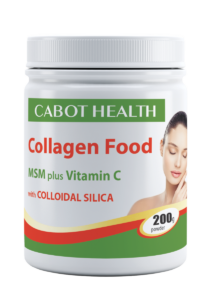
The amino acids methionine and cysteine are high in sulfur and it is essential to get these from your diet – good sources include eggs, beef, seafood, poultry, garlic, onions, shallots, cruciferous vegetables (cabbage, broccoli, Brussels sprouts, cauliflower, kale, watercress and mustard greens) as well as MSM supplements.
Studies have found that eating sulfur-rich vegetables can increase glutathione levels.
Vitamin C
Vitamin C helps to increase glutathione levels by attacking free radicals first, which spares glutathione.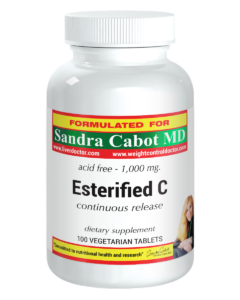 Vitamin C increases the conversion of oxidized glutathione back into its active form. Studies showed that taking vitamin C supplements increased glutathione levels in white blood cells in healthy adults.
Adults taking 500–1,000 mg of vitamin C daily for 13 weeks, had a 18% increase of glutathione in white blood cells and a 47% increase in red blood cell glutathione levels.
Vitamin C is found in raw fruits and vegetables, especially citrus, berries and bell peppers and vitamin C supplements.
The Mineral Selenium
Selenium is a glutathione cofactor, meaning it’s a substance needed for glutathione activity. If you are low in selenium your glutathione cannot exert its protective effects.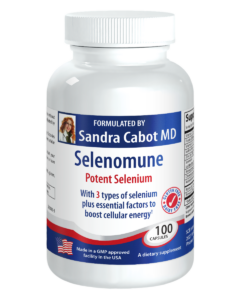
Some of the best sources of selenium are beef, chicken, fish, organ meats, and Brazil nuts.
By increasing your intake of selenium, you may help increase your body’s supply of glutathione as well as make the glutathione more effective as an antioxidant.
Selenium supplements in a dose of 200mcg daily were given to 45 adults for 3 months with chronic kidney disease. In all study subjects levels of glutathione peroxidase increased significantly.
N-Acetyl-Cysteine (NAC)
N-acetyl-cysteine (NAC) is the acetylated form of the amino acid L- cysteine and is the main raw material (precursor) for glutathione manufacture. NAC is critical to make glutathione as it is the rate-limiting amino acid for glutathione synthesis in the body. NAC supplements are more stable and better absorbed than L-cysteine and are best to boost glutathione synthesis.
NAC is rapidly absorbed from the gut, and goes to the liver and the liver converts NAC into L-cysteine, which is then paired with glutamate and glycine to form glutathione.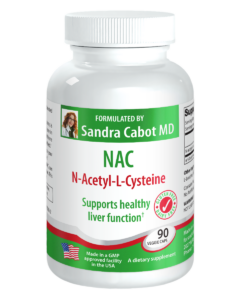
Because the amino acid cysteine is a substrate for the rate-limiting step in the production of glutathione, it's important to make sure you're getting enough through diet and/or NAC supplementation.
Supplementing with NAC has been shown to improve glutathione levels in the body by acting as a precursor.
NAC is commonly taken as a supplement to improve glutathione levels or for its own unique anti-inflammatory and mucolytic properties. Mucolytic means it breaks down mucus and biofilm which allows the effective treatment of infections. Persistent biofilm means that your infection will become chronic.
Glutathione production
The liver produces most of the glutathione in the body, and you can find glutathione in some foods such as spinach, avocados, asparagus and okra. Unfortunately, dietary glutathione is poorly absorbed by the human gut. Storage and cooking can decrease the amount of glutathione found in food.
Your body’s production of glutathione depends on specific amino acids, and the most important one is cysteine.
Whey protein is rich in cysteine and may increase your glutathione supply and research strongly supports this claim, as many studies have found that whey protein may increase levels of glutathione.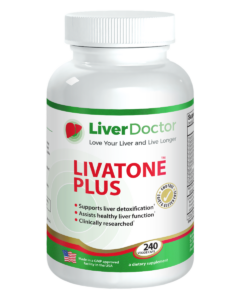
Milk thistle in a pure extract of silymarin, as found in the correct dose in Livatone Plus, is a proven way to boost glutathione levels naturally.
There are many easy and natural ways you can increase your levels of glutathione. This is most worthwhile for people wanting to optimize their health and slow down ageing and is critical for people struggling with chronic diseases.
References
N-Acetylcysteine (NAC): Impacts on Human Health
Micaely Cristina dos Santos Tenório 1, et al,. PMCID: PMC8234027 PMID: 34208683
Dose dependent pharmacokinetics of N-acetylcysteine after oral dosing to man
L Borgström 1, et al, PMID: 2328298. DOI: 10.1002/bdd.2510110205
GlyNAC Supplementation Improves Glutathione Deficiency, Oxidative Stress, Mitochondrial Dysfunction, Inflammation, Aging Hallmarks, Metabolic Defects, Muscle Strength, Cognitive Decline, and Body Composition: Implications for Healthy Aging. Sekhar RV.J Nutr. 2021 Dec 3;151(12):3606-3616. doi: 10.1093/jn/nxab309.PMID: 34587244Review.
The above statements have not been evaluated by the FDA and are not intended to diagnose, treat or cure any disease.
Know someone who might benefit from this article? Share it!


Search
Shop Our Products by
Health Interest
-

Hormone & Thyroid Health
-

Liver & Gallbladder Health
-

Digestive Health
-

Bone & Joint Health
-

Women's Health
-

Immune Health
-

Healthy Aging
-

General Health
Most Recent Articles
Need Help?
1-888-75-LIVER
Monday to Friday, 9:00 am to 5:00 pm MST
100%
Satisfaction Guaranteed
If it’s faulty or wrongly described, we’ll replace it.