
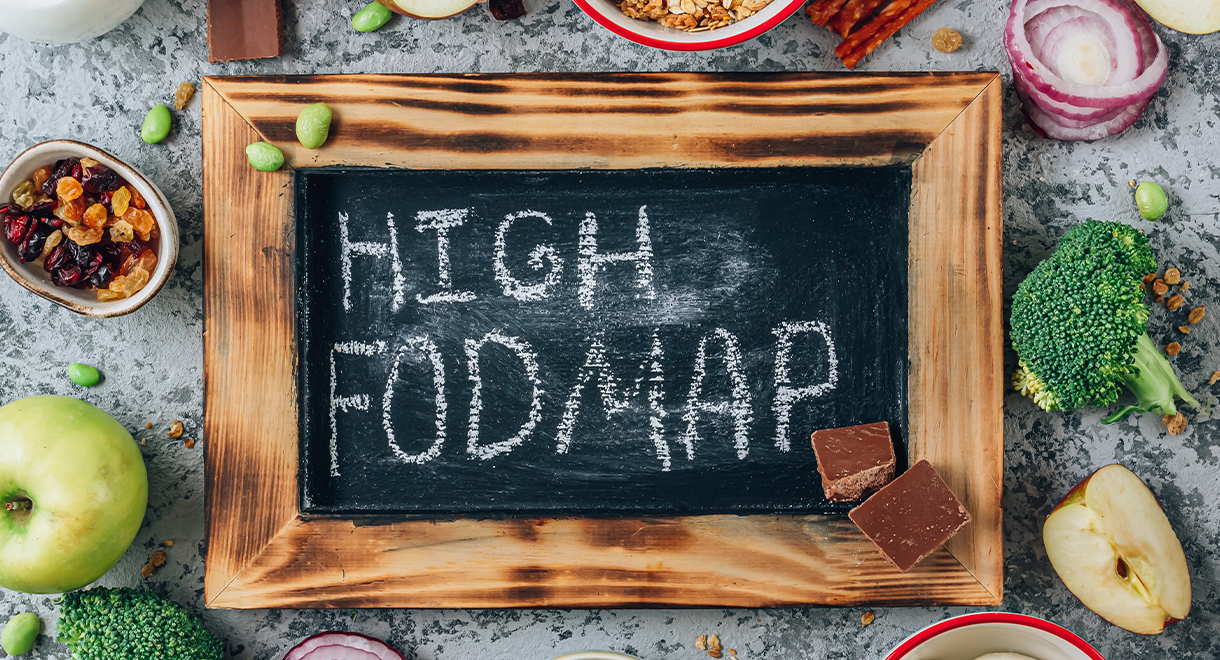
High FODMAP Foods Could Be Aggravating Your Autoimmune Disease
Have you heard of the low FODMAP diet? It’s a type of elimination diet that is sometimes recommended to people with digestive problems. If you suffer with irritable bowel syndrome symptoms like bloating, gas or reflux, a low FODMAP diet can offer significant help. New research shows that even if you don’t experience any digestive problems, restricting FODMAPs in your diet can improve the outcome of autoimmune disease.
FODMAPs are a group of carbohydrates that are poorly digested by many people. FODMAP stands for Fermentable Oligosaccharides, Disaccharides, Monosaccharides and Polyols. Some people have a very low tolerance to these foods, and eating them causes a great deal of bloating and discomfort.
FODMAPs tend to have a cumulative effect, so that people typically find they become more and more bloated as the day progresses. If you want to try a low FODMAP diet, you may notice an improvement in bowel symptoms within a few days. Many commonly eaten foods are high in FODMAPs, including apples, pears, onion, garlic, cauliflower, asparagus and snow peas. Legumes and lentils are especially high in FODMAPs, so it’s no wonder that many people with IBS find they cause a great deal of gas.
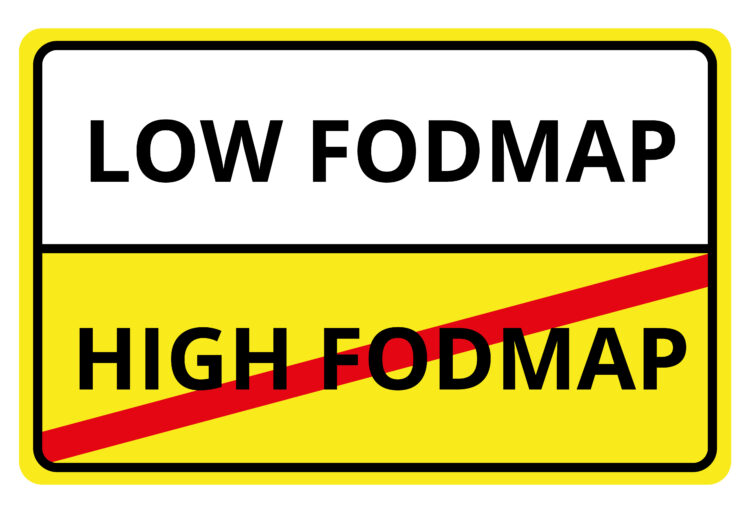
A low FODMAP diet is often recommended to help with irritable bowel syndrome, but research shows it can help more serious bowel diseases such as Crohn’s disease and ulcerative colitis. Crohn’s disease and ulcerative colitis are both autoimmune diseases. They occur when the immune system attacks part of the intestines. Ulcerative colitis affects the large intestine (colon), whereas Crohn’s disease may affect the small and large intestine. They are both very common diseases and the symptoms they produce can significantly reduce quality of life. They also have the potential to become very serious and require strong medication or surgery. A few recent studies have shown that a low FODMAP diet may offer significant relief of symptoms.
Three observational studies and one randomised controlled trial have shown that a low FODMAP diet may improve gastrointestinal symptoms, including abdominal pain, bloating, diarrhea, flatulence, stool consistency and stool frequency. I see a large number of patients with Crohn’s disease and ulcerative colitis. I have written about the diet and supplement strategies I use in my book about autoimmune disease. Along with a low FODMAP diet, avoiding gluten, dairy products and healing leaky gut is essential.
FODMAPs can aggravate autoimmune disease
Interestingly, some research has shown that eating too many high FODMAP foods can cause a flare up of an autoimmune disease that has been in remission for some time. It’s not only autoimmune conditions that affect the intestines; it can also be rheumatoid arthritis and multiple sclerosis, and probably others that haven’t been researched yet. Some FODMAPs can be more problematic than others; fructans and inulin can be most problematic. They are found in foods such as wheat, rye, onion, garlic, asparagus, bananas and chicory root. Inulin is found in many processed foods such as muesli bars and protein bars.
Strategies for healing the gut and calming autoimmune disease
- Avoid sugar: Sugar is not only inflammatory to the body but it feeds the bad bacteria in the gut. Candida and bad bacteria thrive off sugar and can grow out of control when given lots of it to eat. Removing sugar and high carbohydrate foods from your diet is really important for those with digestive complaints or those with autoimmune disease.

- Apple cider vinegar: This vinegar is amazing for improving overall digestion and nutrient absorption. When apple cider vinegar is taken before a meal, it stimulates hydrochloric acid (stomach acid) which is required for digestion. If you are lacking in bile and stomach acid when you consume food, it cannot be properly broken down, leading to reflux, poor nutrient absorption and bloating. Taking a betaine hydrochloride supplement is an even more powerful way of increasing stomach acid.
- Glutamine: You have probably heard about this amino acid in the fitness industry for improving muscle growth and recovery. What you may not know, is that glutamine is amazing for your gut! It is the major fuel source for the cells of the intestinal lining. When the gut is damaged or inflamed and in cases of intestinal permeability (leaky gut), glutamine is effective at healing the damage and bridging the gaps between cells. It can heal leaky gut! You can achieve glutamine supplementation with our Glutamine Pure Powder or our Ultimate Gut Health Powder.
- Reduce stress: Surely, you’ve heard that it’s bad to eat while you’re stressed or angry? This is because when you are stressed, your body produces adrenalin and activates your ‘fight or flight’ response, which basically causes a large amount of blood flow to your muscles and your brain. The blood flow to the digestive system is neglected during this period, and is not able to properly digest food, leading to symptoms of indigestion, bloating and cramping. High levels of stress hormones can also cause leaky gut. Take a few deep breaths before your meal to ‘rest and digest’. Daily magnesium is very helpful to alleviate stress and improve sleep quality.
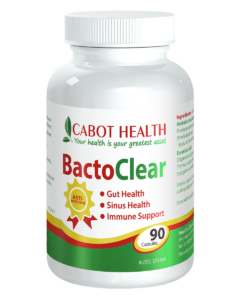
- Anti-microbial herbs: If you have candida overgrowth, bacterial overgrowth or a parasite hiding in your intestines, this can cause inflammation, irritation and damage to the gut lining, interfere with nutrient absorption, suppress the immune system and lead to symptoms of bloating, headaches, constipation, diarrhea or reflux. Oregano, thyme, clove and berberine are anti-bacterial, anti-microbial, anti-parasitic and anti-viral and are fantastic for killing off this overgrowth. These herbs are found in BactoClear capsules.
Know someone who might benefit from this article? Share it!


2 Comments
Search
Shop Our Products by
Health Interest
-

Hormone & Thyroid Health
-

Liver & Gallbladder Health
-

Digestive Health
-
Bone & Joint Health
-

Women's Health
-

Immune Health
-

Healthy Aging
-

General Health
Most Recent Articles
Need Help?
1-888-75-LIVER
Monday to Friday, 9:00 am to 5:00 pm MST
100%
Satisfaction Guaranteed
If it’s faulty or wrongly described, we’ll replace it.
Fibre alone will not help to reduce flatulence.
Ongoing flatulence usually indicates an underlying gut issue.
Certain sources of fibre can actually increase flatulence.
You may find this article helpful:https://www.liverdoctor.com/got-gas-natural-solutions-for-flatulence/
We also recommend downloading our free e-book on gut health here:https://www.liverdoctor.com/ultimate-gut-health-book-free-download/
Kind regards,
Jessah Shaw
Nutritionist