
Higher Breast Density May Mean More Breast Cancer
Did you know that women with higher breast density are at greater risk of breast cancer? It is actually one of the biggest cancer risk factors, more significant than family history, yet very few women are aware of this fact.
A mammogram is the only way to know your breast density. It is estimated that more than 40 percent of US women aged forty to sixty five have high breast density. These women are two to six times more likely to develop breast cancer than women with low mammographic breast density.
What does breast density mean?
Dense breasts are breasts that have less fatty tissue and more non-fatty tissue, such as glands that make and drain milk.
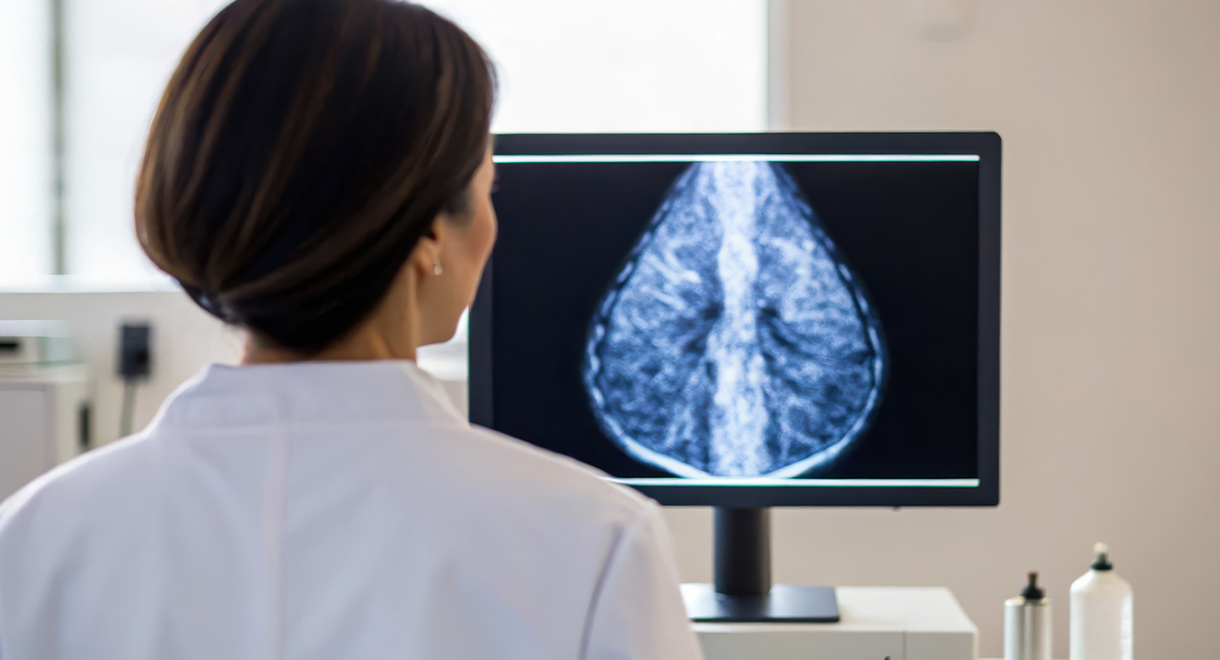
A mammogram done on a woman with dense breasts appears a lot like white cotton wool. In a woman with less dense breasts, the mammogram appears more grey and transparent. Breast density shows up as white and bright regions. Unfortunately potential tumors are also shown as white and bright on a mammogram. This means, with current screening methods it’s harder to see tumours in breasts with denser tissue on a mammogram. Therefore there’s a higher risk that these women’s tumours may be missed at the time of screening. A type of mammogram called a 3D mammogram is better able to determine breast density, but this type of mammography is only offered in a select few clinics.
Currently no single method for measuring breast density has been agreed upon in the medical community. Breast density can’t be assessed based on how breasts feel during a self-exam or a doctor’s physical exam. However, breast density does reduce significantly after menopause, and this is a time when breasts become softer. Therefore firmer feeling breasts often have a higher density.
What causes higher breast density?
A number of factors are well recognised as raising breast density:
- Age. Breast density is higher in younger women and declines with age.
- Genetic factors are relevant, however environmental factors (eg. Diet) and reproductive factors do alter the genetic expression.
- Not having any children, or having children later in life (over age 35).
- Hormones used in IVF, hormonal contraceptives and hormone replacement therapy.
- High circulating levels of insulin-like growth factor (IGF)-I and low circulating levels of IGF binding protein (IGFBP)-3 have been associated with increased mammographic density in premenopausal women.
Since IGFs increase cell proliferation and IGFBPs inhibit proliferation, it has been suggested that increased breast density might result from stimulation of cell proliferation by IGF-I and/or impaired inhibition of proliferation resulting from low levels of IGFBP-3. What causes this hormonal profile? A high intake of carbohydrate, sugar, alcohol and dairy products. Features typical of the average western diet.
Strategies to improve breast health and reduce cancer risk
- Increase the amount of vegetables you eat; particularly green leafy vegetables. Broccoli, bok choy, cabbage, kale, collards and Brussels sprouts all contain sulphur compounds that assist with estrogen detoxification. Sulphur is also found in onion, garlic, leek and spring onion. MSM is an organic form of sulphur found in Collagen Food powder.

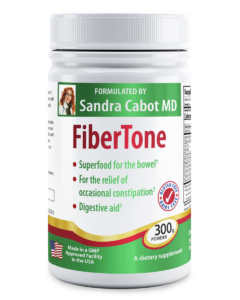
- Nuts and seeds are high in fiber that helps to ensure regular bowel motions, to excrete estrogen adequately. Make sure you are not constipated, as this means you’ll be reabsorbing estrogen your body is trying to eliminate. If you struggle to have regular and thorough bowel motions, Fibertone powder helps to sweep the colon clean.
- Be aware that alcohol, sugar and dairy products increase breast density, and try to minimise your consumption.
- Reduce your consumption of trans fatty acids and polyunsaturated omega 6 rich vegetable oil (eg. Sunflower, safflower, canola, corn, cottonseed oil). These fats increase the level of inflammation in your body, thus generating free radicals and using up antioxidants. Excessive inflammation increases the risk of many health problems, including cancer. These fats are found in many processed foods such as biscuits, salad dressings, pastries, chips, crackers and fried foods.
- Ensure you have plenty of the nutrients required for healthy breasts. They are vitamin D, iodine and selenium and are found in our Thyroid Health capsules.
- Try to minimise your contact with plastic and never eat or drink hot foods/liquids from plastic containers. Heat increases the migration of plastic molecules into food. Try to store food in glass or stainless steel containers.
- Try to get safe, regular sunshine exposure. There is a strong association between low levels of vitamin D and higher risk of breast cancer. Please avoid getting sunburnt.
References:
Byrne C, Colditz GA, Willett WC, Speizer FE, Pollak M, Hankin-son SE: Plasma insulin-like growth factor (IGF) I, IGF-binding protein 3, and mammographic density.
Cancer Res 2000, 60:3744-3748
Boyd NF, Guo H, Martin LJ, Sun L, Stone J, Fishell E, et al.
Mammographic density and the risk and detection of breast cancer.
N Engl J Med. 2007 Jan. 356(3): 227-36
Know someone who might benefit from this article? Share it!


Search
Shop Our Products by
Health Interest
-

Hormone & Thyroid Health
-

Liver & Gallbladder Health
-

Digestive Health
-

Bone & Joint Health
-

Women's Health
-

Immune Health
-

Healthy Aging
-

General Health
Most Recent Articles
Need Help?
1-888-75-LIVER
Monday to Friday, 9:00 am to 5:00 pm MST
100%
Satisfaction Guaranteed
If it’s faulty or wrongly described, we’ll replace it.