

How To Have Healthy Mitochondria
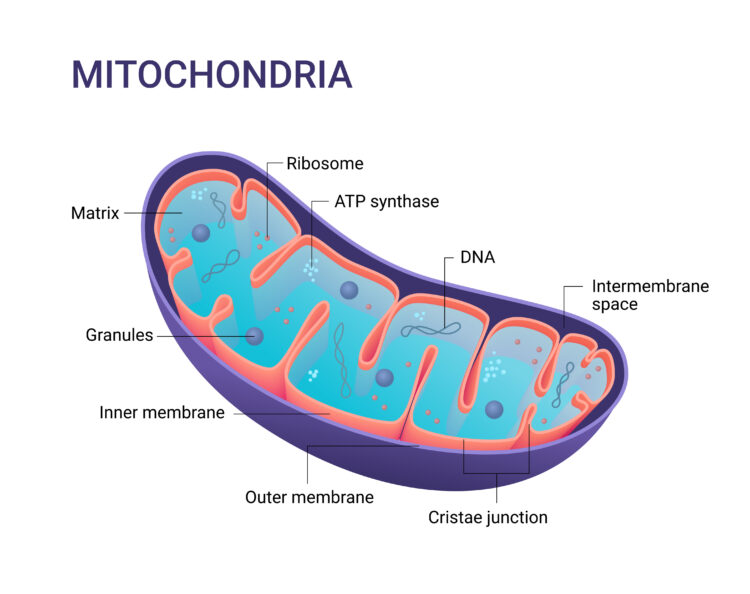
Mitochondria are the tiny energy factories inside your cells. This is where energy is created. Having poorly functioning mitochondria is a leading cause of fatigue. It’s also a risk factor for serious diseases like cancer, heart disease and dementia. You want your mitochondria to be as healthy and efficient as possible.
Fatigue is a common health complaint. It can be caused by many different health conditions, which can make it difficult to overcome. Poor quality sleep, hormonal imbalances, gut problems and immune system disorders are all common culprits. One culprit that people often don’t think of is nutrient deficiencies.
The importance of healthy mitochondria
The energy factories inside our cells are called mitochondria. The more mitochondria you have, and the better they function, the more energy you will have. Healthy mitochondria also help to slow down the aging process, and may reduce the risk of chronic disease.
How to have healthy mitochondria
Eat the right healthy fats

Mitochondria are actually largely composed of fat, which forms the outer membrane and the inner membrane (called cristae). You want your mitochondria to contain healthy natural fats, rather than linoleic acid rich vegetable oil or margarine. Most vegetable oil is very high in omega 6 fat, which is highly unstable and prone to oxidation. Nourishing your mitochondria with healthy fats will help them to function optimally. Healthy fats to include in your diet include avocados, olive oil, macadamia nut oil and avocado oil; oily fish or a fish oil supplement; coconut oil, ghee and the fat from grass fed animals such as lard and tallow.
Reduce your toxin load
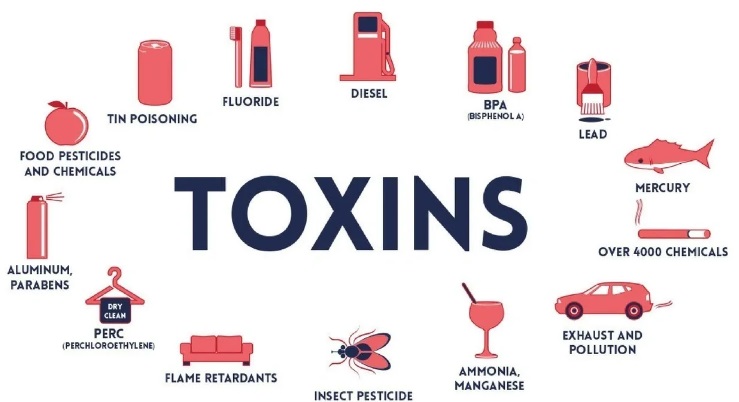
Your body is equipped with its own detoxification organs, such as your intestines, liver and kidneys, however, not everyone is in 100 percent perfect health. The detox organs in most of our patients are not working optimally. Also, the amount of chemicals we are all exposed to in daily life has never been higher. The human species did not evolve to be able to handle this chemical load. If your body is in need of a cleanse, Livatone Plus and n-acetyl cysteine will help raise your blood level of glutathione. Glutathione is your own inbuilt antioxidant and detoxifier.
Be careful of some medications that are mitochondrial toxins

It has recently been discovered that some medications can impair the ability of mitochondria to function. Examples include metformin, commonly used in type 2 diabetes, as well as cholesterol lowering drugs called statins. The degree to which these drugs can harm mitochondria depends on the dose taken and the duration of treatment. They are both medications that people typically take for decades of their life. If this applies to you, it is extremely important to follow the strategies for improving mitochondrial health in this article.
Get plenty of antioxidants in your diet

Your mitochondria generate energy by producing ATP (adenosine triphosphate). Inevitably, this process generates free radicals. If too many free radicals are produced, they can harm the mitochondria; particularly the delicate fatty acids within the mitochondrial membranes. Selenium and vitamin C both help to mop up free radicals and reduce their destructive effects. You can take these nutrients in a supplement; they are both found in Selenomune Designer Energy capsules, which may give you a noticeable boost in energy. Raw vegetable juices are another great way to boost your intake of antioxidants. There are lots of recipe ideas in my book Raw Juices Can Save Your Life. Drinking a vegetable juice is a great way to pick up your energy level immediately.
Exercise, exposure to cold weather and fasting can all increase the formation of mitochondria inside your cells. All of those conditions can be stressful for your body; therefore your body makes more mitochondria to compensate.
We don’t often think of magnesium when it comes to energy, yet it is required by the enzymes that produce energy inside mitochondria. Magnesium is more well known for its relaxing properties; it helps your nervous system and muscles to cope better with stress and should help you achieve better quality sleep at night. However, magnesium deficiency is a common contributor to fatigue. Magnesium is found in green leafy vegetables and nuts; however, it is difficult for most people to obtain enough through diet alone, especially if you exercise a lot or live in a hot climate, where you lose magnesium in perspiration.
The above statements have not been evaluated by the FDA and are not intended to diagnose, treat or cure any disease.
Know someone who might benefit from this article? Share it!


2 Comments
Search
Shop Our Products by
Health Interest
-

Hormone & Thyroid Health
-

Liver & Gallbladder Health
-

Digestive Health
-

Bone & Joint Health
-

Women's Health
-

Immune Health
-

Healthy Aging
-

General Health
Most Recent Articles
Need Help?
1-888-75-LIVER
Monday to Friday, 9:00 am to 5:00 pm MST
100%
Satisfaction Guaranteed
If it’s faulty or wrongly described, we’ll replace it.
Glad you found it enjoyable.
Kind regards,
Jessah Shaw
Nutritionist