

How To Prevent And Treat Mouth Ulcers
If you get mouth ulcers regularly, I’m sure you are fed up with the pain and difficulty eating that they bring. It’s not uncommon to get the occasional mouth ulcer when you accidentally bite the inside of your mouth, or when you’re ill with a virus, but if you are getting mouth ulcers often, there could be something going on with your health that needs resolving.

The following factors may affect mouth ulcers:
1. Nutrient deficiencies
Deficiencies of vitamin B12 and iron are common causes of mouth ulcers, and we often see these in menstruating women and those who don’t eat red meat. If you get regular mouth ulcers and feel tired all the time, there’s a good chance you are low in these nutrients. You can get your iron and B12 checked in a simple blood test. The reference ranges are so broad and even if you seemingly aren’t ‘deficient’ on paper, you might benefit from a little extra.
2. Food allergies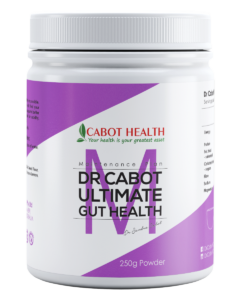
It shouldn’t be surprising that eating something our bodies are allergic or intolerant to, could cause an inflamed sore in the mouth. Recurrent mouth ulcers are often a symptom in people with undiagnosed gluten intolerance/ allergy and after switching to a gluten-free diet our patients notice that mouth ulcers are not as frequent or disappear. You can literally be allergic to any food so if gluten isn’t it, it could be something else like tomatoes for example – keeping a food and symptom diary can help you to discover a pattern. Trialling an elimination diet under the supervision of a health professional might be necessary. If you’ve been eating a food you’re intolerant to then your gut is likely to be inflamed and leaky – Ultimate Gut Health is fantastic for healing damage to your gut lining.
3. You’re run down
A tell tail sign of being run down, amongst fatigue, stress and getting sick is the appearance of mouth ulcers. It’s a good reminder to support your nervous system and immune system with plenty of down time and supportive supplements. Magnesium is fantastic for reducing stress levels and calming the nervous system and as a bonus, it helps with your sleep. Make sure you’re eating plenty of fresh fruit and veggies, not drinking too much alcohol or eating high sugar foods and that you’re getting adequate sleep.
4. Oil pulling
Swishing oil around in your mouth might seem like a weird concept but it’s been practiced in ayurvedic medicine for many years. Bacteria are attracted to fat, so the process of oil pulling draws bad bacteria into the oil to be spat out. Whilst this won’t necessarily prevent the mouth ulcers, it can help to lessen the severity and stop them from getting infected. Simply swish 1 tablespoon of coconut oil around in your mouth for 10 minutes a day whilst you have the ulcer. You can add a drop of tea tree oil also as it’s antimicrobial and let’s not forget the good old-fashioned salt-water rinse.
5. Zinc, vitamin C and selenium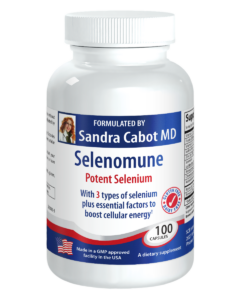
These are my favourite nutrients for mouth ulcers and any type of wound healing. Zinc is required for cell membrane repair and tissue formation, making it essential for repairing a wound, such as a mouth ulcer. Ulcer treatments on the market usually contain zinc for this reason. Many people are actually deficient in zinc so supplementing can be really helpful, especially in those who eat plant-based diets as these are generally lower in bioavailable zinc. Vitamin C is a precursor to collagen formation, which is required for any type of tissue formation and healing. It is also anti-inflammatory. Ensure you are getting enough zinc and vitamin C in your daily diet but during a mouth ulcer occurrence, it would be beneficial to supplement at higher doses to support healing. Selenium helps to prevent viruses from replicating in your body. That means it helps prevent you getting sick in the first place and shortens the severity of infections.
The above statements have not been evaluated by the FDA and are not intended to diagnose, treat or cure any disease.
Know someone who might benefit from this article? Share it!


2 Comments
Search
Shop Our Products by
Health Interest
-

Hormone & Thyroid Health
-

Liver & Gallbladder Health
-

Digestive Health
-

Bone & Joint Health
-

Women's Health
-

Immune Health
-

Healthy Aging
-

General Health
Most Recent Articles
Need Help?
1-888-75-LIVER
Monday to Friday, 9:00 am to 5:00 pm MST
100%
Satisfaction Guaranteed
If it’s faulty or wrongly described, we’ll replace it.
Thanks for reaching out.
The above solutions could help.
A sore roof of the mouth is usually caused by an injury, such as a burn from hot food or a cut from crunchy foods, but can also be a symptom of an underlying infection like oral thrush, cold sores, or a canker sore.
Kind regards,
Jessah Shaw
Nutritionist