

Lack Of Sleep Causes Insulin Resistance
Insulin resistance is an epidemic. The condition is rising rapidly in all parts of the world and is a leading risk factor for the development of fatty liver, obesity, heart disease, type 2 diabetes, cancer and dementia. Clearly there are a lot of dangerous side effects of being insulin resistant.
What causes insulin resistance?
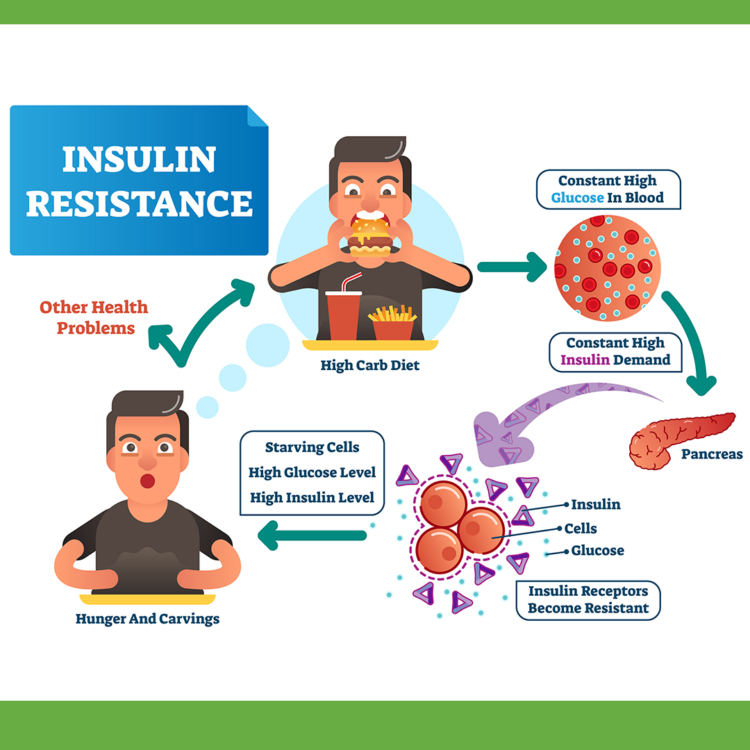
There are several risk factors, including:
- Excess carbohydrate intake
- Excess consumption of seed oils rich in linoleic acid
- Lack of exercise
- Stress
- Excess inflammation, such as caused by allergies, autoimmune disease or environmental toxins
- Some medication, including drugs used for mental illness and epilepsy
- Lack of sleep
Insufficient sleep makes it harder for insulin to work in your body
Two recent studies highlighted the shocking effects lack of sleep have on insulin function. One is called “A single night of partial sleep deprivation induces insulin resistance in multiple metabolic pathways in healthy subjects”. The other study is called “Sleep Restriction for 1 Week Reduces Insulin Sensitivity in Healthy Men”. When they refer to sleep restriction, they mean the subjects only got 5 hours of sleep per night. For some people that is a typical night of sleep. Ideally you would get 7 to 8 hours of sleep each night.
How does lack of sleep cause insulin resistance?
Not getting enough sleep is a major stress on your body. Your body interprets it as some kind of emergency. If you’re not getting enough sleep, your body thinks it means you aren’t safe. Therefore lack of sleep raises your blood level of the stress hormones adrenalin and cortisol. They can remain elevated all day.
Cortisol does everything it can to raise your blood glucose level. It causes glucose from your liver and muscles to be released into your bloodstream. Cortisol can even cause the breakdown of collagen in your body, as well as your muscles and bones, converting them into glucose. What do most people do when they haven’t get enough sleep? They increase their caffeine intake. Unfortunately caffeine also raises cortisol, potentially worsening insulin resistance. Sleep deprivation also reduces motivation to eat well and exercise. It raises levels of hunger hormones and promotes cravings for junk food.
How to improve sleep quality
- First it’s important to realize that humans require 7 to 8 hours of sleep each night. Good quality and sufficient sleep can significantly improve your physical and mental health.
- Magnesium is a wonderfully calming mineral that almost no one gets enough of. Magnesium helps you feel relaxed during the days, and sleep more deeply at night. The stress hormone cortisol increases loss of magnesium in urine. So does alcohol.
- The natural hormone melatonin helps set a healthy circadian rhythm in your body. It is excellent for people who can’t fall asleep, shift workers and people who regularly change time zones. It is best taken around half an hour before bedtime.
- Alcohol and sugar can both disturb sleep quality. They can cause leaky gut and promote liver inflammation. This can result in poor quality, restless sleep and may cause over heating or sweating at night. Livatone Plus helps reduce liver inflammation and can ameliorate those symptoms.
- An overgrowth of the wrong gut bugs can cause inflammation to the lining of the intestines. This promotes leaky gut and triggers an immune system response. Your body interprets this as an infection and a source of stress. The stress hormones cortisol and adrenalin get released. If this occurs during the night, the stress hormones can cause a light, broken, interrupted and unrefreshing sleep. BactoClear capsules have a natural anti microbial effect and help to kill bad bacteria, yeast and fungi in the gut.
- Avoid having an overly large meal in the evening, eating too late at night and snacking after dinner. All of those factors can significantly reduce your sleep quality because your body will be too busy digesting food throughout the night.
- Doing some exercise each day can relax your muscles and nerves and help you get better quality sleep.
The above statements have not been evaluated by the FDA and are not intended to diagnose, treat or cure any disease.
Know someone who might benefit from this article? Share it!


2 Comments
Search
Shop Our Products by
Health Interest
-

Hormone & Thyroid Health
-

Liver & Gallbladder Health
-

Digestive Health
-

Bone & Joint Health
-

Women's Health
-

Immune Health
-

Healthy Aging
-

General Health
Most Recent Articles
Need Help?
1-888-75-LIVER
Monday to Friday, 9:00 am to 5:00 pm MST
100%
Satisfaction Guaranteed
If it’s faulty or wrongly described, we’ll replace it.
We're glad you have found the magnesium helpful.
The tips in this article may benefit you:https://www.liverdoctor.com/poor-liver-health-can-impair-sleep-quality/
Kind regards,
Jessah Shaw
Nutritionist