

NAC Helps Treat Irritable Bowel Syndrome
New research has shown that NAC (n-acetyl cysteine) can help treat irritable bowel syndrome. This is because NAC helps break up biofilm. People with irritable bowel syndrome usually have an overgrowth of the wrong bugs in their gut. This can disrupt bowel habits and lead to unpleasant symptoms.
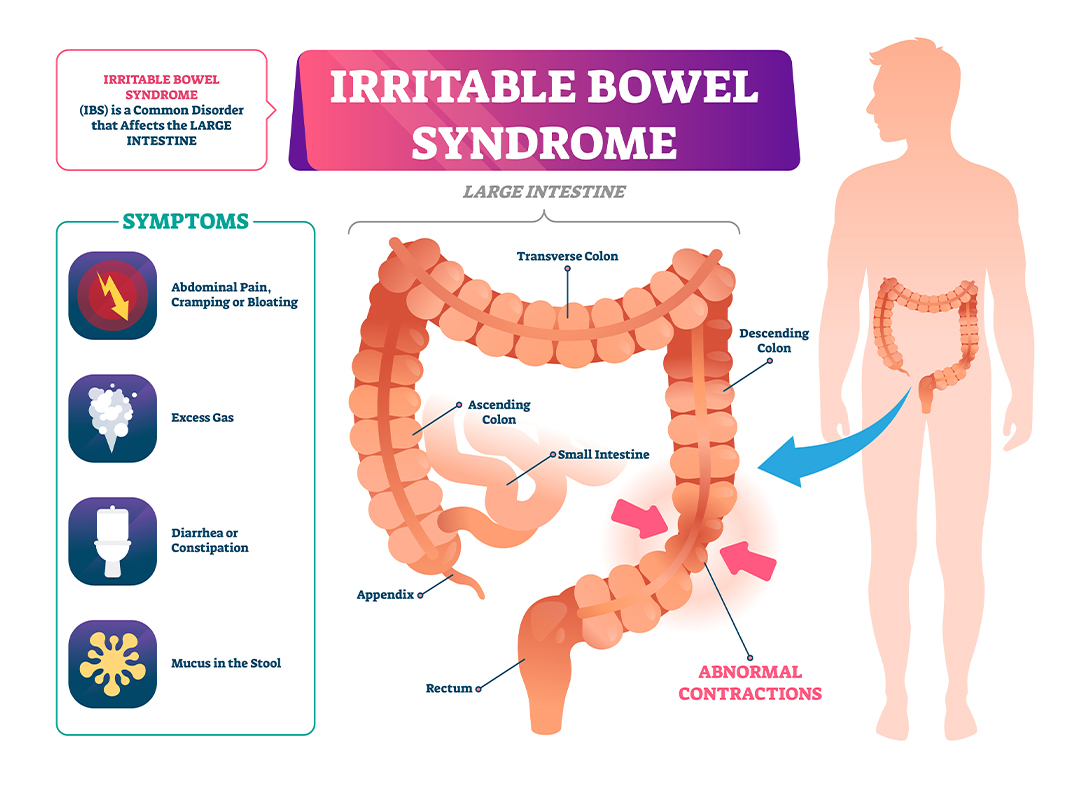
A recent study has shown that NAC improves outcomes in diarrhea-dominant irritable bowel syndrome that was treated with the antibiotic rifaximin.
The majority of patients with irritable bowel syndrome have dysbiosis and small intestinal bacterial overgrowth. That means they have too much of the wrong gut bugs and they have overgrown in the wrong location. A number of different strategies can be used to control this gut bug problem, including antibiotics, herbal antimicrobials like BactoClear and a low carbohydrate low FODMAP diet.
Unfortunately irritable bowel syndrome can be a very stubborn condition and it can be hard to get rid of the overgrowth of bad bugs. The antibiotic rifaximin is an FDA approved treatment for IBS-D. The D stands for diarrhea. The problem is rifaximin can be very expensive and it has poor solubility. It is not able to reach the bacteria that has formed a biofilm on the gut lining.
NAC helps break up biofilm 
Microorganisms such viruses, bacteria, and fungi can create a protective external layer called a biofilm. These microorganisms survive and hide in body cavities and surfaces through the formation of biofilms. Biofilms are microbial communities surrounded by a layer of mucus like material, which makes it hard for the immune system or antibiotics to fight them.
NAC has been extensively researched for its effectiveness in inhibiting biofilm formation and in destroying developed biofilms. Studies show a role for NAC in the treatment of biofilms, with excellent safety and effectiveness. NAC has shown good properties in combating persistent antibiotic resistant bacterial infections and dissolving the biofilm matrix.
NAC improves the effectiveness of antibiotic and herbal remedies designed to kill an overgrowth of bacteria that can cause irritable syndrome. NAC is most effective when taken on an empty stomach with a full glass of water. A typical dose is 2 to 4 capsules daily.
Other strategies for healing irritable bowel syndrome
- Set aside enough time to eat, and eat in a relaxed atmosphere. Think pleasant, positive thoughts while eating and chew your food thoroughly. If you take sufficient time to eat, the digestive enzymes from the salivary glands in your mouth will be able to mix well with the food.
- Avoid drinking large amounts of liquid with the meal, as this will dilute digestive enzymes and can lead to bloating, gas or burping.
- Everyone with irritable bowel syndrome would benefit from taking digestive enzymes in the middle of your meal and sip one to two tablespoons of organic apple cider vinegar diluted in 3 tablespoons of warm water 5 minutes before the meal.
- When there is an overgrowth of bad bugs living on the gut lining, they cause irritation to the gut. This results in leaky gut syndrome. Leaky gut predisposes a person to developing food allergy, food intolerance or autoimmune disease. Glutamine is healing and soothing to the lining of the gut and helps heal it if leaky.
- Avoid carbonated (fizzy) beverages or chewing gum after eating, as this will increase the gas in your stomach.
- Do not eat your food too rapidly because this will tend to cause over eating.
- Both BactoClear and Berberine contain powerful natural anti microbial substances that help kill bad bacteria as well as yeast.
- If you have a gallbladder problem, or no longer have your gallbladder, you may benefit from an ox bile supplement. Bile is necessary for good fat digestion. Not making enough bile can lead to discomfort after oily meals, or diarrhea. An ox bile supplement helps to top up your own body’s production of bile if it’s inadequate.
The above statements have not been evaluated by the FDA and are not intended to diagnose, treat or cure any disease.
Know someone who might benefit from this article? Share it!


Search
Shop Our Products by
Health Interest
-

Hormone & Thyroid Health
-

Liver & Gallbladder Health
-

Digestive Health
-

Bone & Joint Health
-

Women's Health
-

Immune Health
-

Healthy Aging
-

General Health
Most Recent Articles
Need Help?
1-888-75-LIVER
Monday to Friday, 9:00 am to 5:00 pm MST
100%
Satisfaction Guaranteed
If it’s faulty or wrongly described, we’ll replace it.