
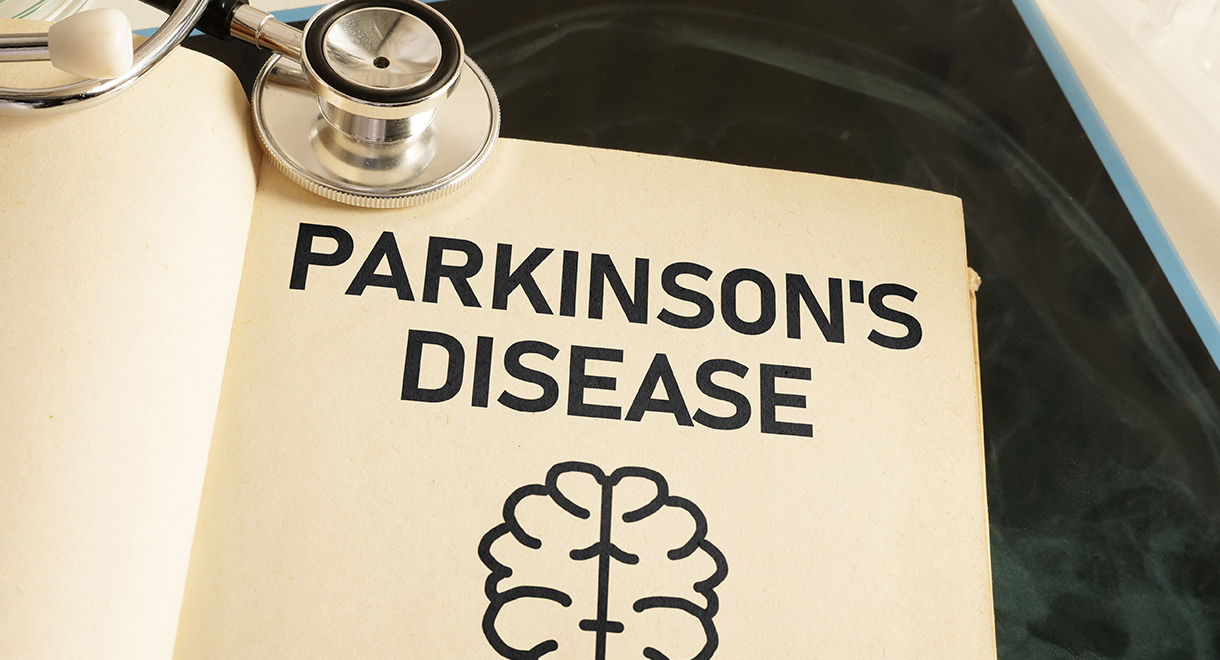
These Foods May Raise Parkinson’s Disease Risk
New research has shown that high intake of ultra processed foods such as packaged snacks, confectionary(candy), soda, and fast food was linked to increased risk of early, non-motor symptoms of Parkinson’s disease.

Analysis of almost 43,000 people showed that those who consumed an average of 11 or more serves of ultra processed foods per day were twice as likely to develop at least three early warning signs of Parkinson’s disease compared to those who ate less than three servings per day.
The early warning signs were those that developed before tremors and movement problems began. Many people may not realise they could be Parkinson’s disease warnings.
The early signs noticed in these individuals include sleep problems (rapid eye movement sleep behavior disorder), body pain, depression and constipation. These are common symptoms that many people suffer from, and most don’t go on to develop Parkinson’s disease. In this study researchers identified that there was a higher incidence of Parkinson’s disease in the future in people who had these signs and ate a lot of processed food. 11 serves of processed foods per day sounds like a lot but it really isn’t when you consider a serving size on a packet of cookies is usually just one cookie, or two squares in a block of chocolate.
Almost 90 thousand people in the United States are diagnosed with Parkinson’s disease each year. It is the second most common neurodegenerative disease after Alzheimer’s disease. The incidence of Parkinson’s disease rises with age and it is 1.5 times more common in men than women. It is a neurodegenerative disorder that affects the dopamine-producing neurons in a specific region of the brain called the substantia nigra.
Symptoms usually develop slowly over many years. The progression of symptoms is often a bit different from person to person due to the diversity of the disease.
Current treatments for Parkinson's disease are not terribly effective; they are designed to replace dopamine and slow down the progression of the disease. Earlier studies have shown that an overgrowth of harmful gut bugs can increase the risk of Parkinson’s disease. This is because gut bugs communicate with the brain via nerves. Gut problems can also raise the risk of dementia and other neurodegenerative conditions. Processed foods feed all the wrong gut bugs, and in this way raise inflammation in the body.
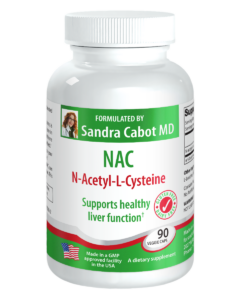
Recently, studies have shown that oxidative stress in the brain actually plays a critical role in the development and progression of Parkinson's disease. The oxidative stress lowers levels of glutathione, which is your body's own antioxidant and designed to protect your brain from oxidative damage. Research conducted on brain cells shows that NAC (n-acetyl-cysteine) helps to reduce oxidative damage to neurons by helping to replenish the levels of glutathione.
Strategies to reduce the risk of Parkinson’s disease:
- Try to mostly eat home cooked meals. Think about cooking the way your great grandmother cooked, before most modern processed foods exist. Try to base your diet on meat, seafood, poultry, eggs, nuts, seeds, vegetables, fruit and unprocessed fats such as olive oil. Those foods are satiating and eating them reduces sugar cravings. If sugar cravings are a real problem for you, Glicemic Balance capsules reduce cravings and hunger by stabilizing blood sugar.
- Other research has shown that people with an overgrowth of bad gut bugs (dysbiosis) and leaky gut are at higher risk of Parkinson’s disease. Certain foods can cause leaky gut, dysbiosis and intestinal inflammation in a high percentage of people; they include processed foods, gluten, grains, legumes and dairy products. You may want to try eliminating them from your diet to see if it makes a difference. Gut Health powder heals and seals the gut lining, helping to overcome a leaky gut. BactoClear capsules are a powerful natural antimicrobial that helps kill off excess bad bacteria.
- Make sure you consume sufficient good fats and that you have a healthy liver. Other studies have
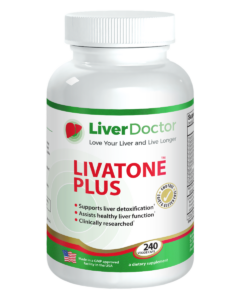 shown that people who have low cholesterol are at higher risk of Parkinson’s disease. Your liver produces the majority of the cholesterol in your body. Having a healthy liver regulates and normalizes cholesterol production. If you wish to improve your liver health, the book The Liver Cleansing Diet will give you the tools on how to do that and the liver tonic Livatone Plus provides the nutrients your liver needs to become more efficient.
If you are concerned about your health, please see your doctor for a correct diagnosis. Don’t assume you know what the problem is based on what you have read.
The above statements have not been evaluated by the FDA and are not intended to diagnose, treat or cure any disease.
Know someone who might benefit from this article? Share it!


4 Comments
Search
Shop Our Products by
Health Interest
-

Hormone & Thyroid Health
-

Liver & Gallbladder Health
-

Digestive Health
-
Bone & Joint Health
-

Women's Health
-

Immune Health
-

Healthy Aging
-

General Health
Most Recent Articles
Need Help?
1-888-75-LIVER
Monday to Friday, 9:00 am to 5:00 pm MST
100%
Satisfaction Guaranteed
If it’s faulty or wrongly described, we’ll replace it.
That's wonderful that you've had such amazing results!
Yes, NAC is more effective when taken away from food in between meals and not close to bedtime.
You must be very impressed with those results!
Your kind words are much appreciated.
I will be sure to pass on what you said.
Would you mind if we used your words as a testimonial?
Kind regards,
Jessah Shaw
Nutritionist
NAC is a wonderful product.
You can read more about it here:https://www.liverdoctor.com/nac-n-acetyl-l-cysteine-600mg-90-capsules.html
Kind regards,
Jessah Shaw
Nutritionist