

Waist Circumference Offers Breast Cancer Risk Clue
Did you know that women with a waist circumference greater than 35 inches (88 centimetres) have a higher risk of breast cancer? This is especially true in postmenopausal women.
Being overweight or obese is the biggest preventable cause of cancer after alcohol and smoking, and is linked to 13 types of cancer including bowel, breast, and pancreatic.

Waist circumference is an indicator of how much visceral fat a person has on their body. Visceral fat is the deep internal fat that gets inside and around the organs. Having a fatty liver, fatty pancreas, and arteries clogged with fat are all indicators of excess visceral fat. This type of fat produces inflammatory chemicals that cause wear and tear to all parts of the body.
Having excess inflammation in your body is a risk factor for cancer. The hormone insulin promotes visceral fat accumulation when it is present in excess. Getting insulin levels down is the best way of reducing your waist circumference and cancer risk.
Excess insulin is linked to cancer risk
Insulin is an important and necessary hormone in the human body. The problem is a lot of people make too much of it. That’s known as hyperinsulinaemia and can have dangerous health consequences. Recent research has shown that human breast cancer cells have more than 6 times the number of insulin receptors than healthy breast cells. This enables glucose to bind to the cancerous cells and speed their growth.
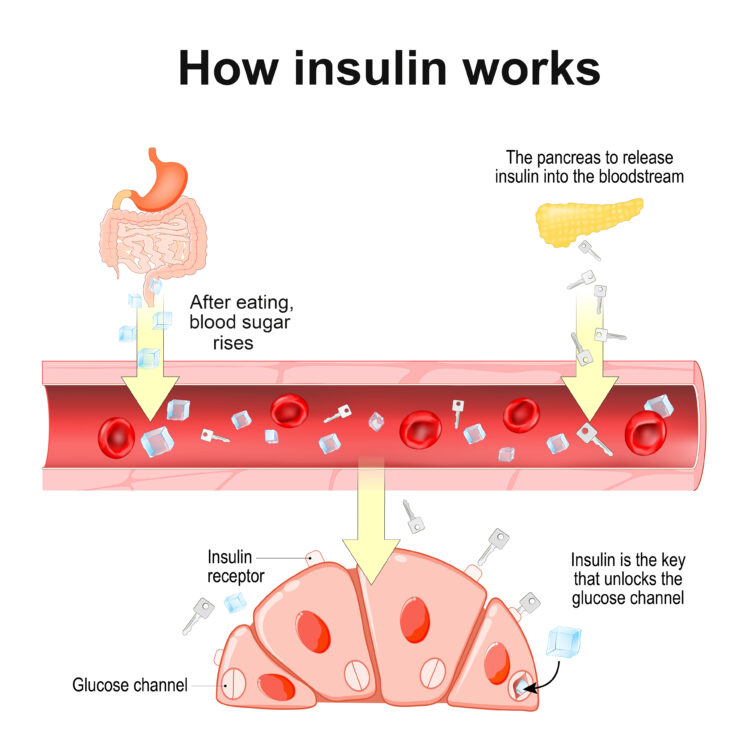
Breast cancer is a frightening disease and it’s becoming far too common. Approximately 1 in 7 women in western nations will develop invasive breast cancer in their life. Only 5 to 10 percent of breast cancer cases are due to a strong family history or a known genetic mutation.
We have known for some time that the growth of breast cancer cells is under the regulation of hormones, growth factors and their receptors. Researchers tested 159 breast cancer tissue specimens for insulin receptor content. What they found was quite startling; the number was more than sixfold higher than the mean value found in 27 normal breast tissues obtained from women who had a total mastectomy as well as the six normal specimens obtained from women receiving breast reduction surgery.
The insulin receptor content in breast cancer tissues was also higher than in any normal tissue tested, including the liver which is supposed to be high in insulin receptors. Additionally, testing revealed that the insulin receptor content of the tumours correlated positively with tumour size, tumour grading, and the estrogen receptor content. In summary, breast cancer cells with more insulin receptors are harder to treat and more life-threatening.
Insulin is a growth-promoting hormone. Your blood level of insulin spikes during childhood and puberty, when your body needs to grow rapidly. As an adult, you don’t require high levels of insulin unless you are pregnant. Excess insulin can encourage the growth of tumours, fibroids, nodules, polyps, cysts, acne, as well as excess body fat. The insulin receptors on the breast cancer cells bind with glucose. Glucose is then allowed to enter the cancer cells where it speeds up their growth. Sugar also raises inflammation in the body, and inflammation speeds cancer growth.
To maintain good health, it is vital to keep your blood insulin level low. How would you know if your blood insulin level is elevated? There is a fasting insulin blood test that your doctor can order for you. A good clue is your waist circumference. People with a slim waist almost always have low-normal insulin levels.
Tips for reducing your breast cancer risk
Limit your intake of carbohydrate

Many people cannot handle common levels of carbohydrate in their diet. They over-secrete insulin in response to eating carbs and they are less likely to feel satisfied after a meal, therefore tend to overeat. That means carbohydrate needs to be restricted in the diet. It is best to get your carbohydrate from vegetables, along with small amounts of fruit, nuts, and seeds. Eating too much carbohydrate is the number one cause of fatty liver. People with a fatty liver hold excess weight around their torso. My liver tonic Livatone Plus helps the liver to become more efficient at fat burning and detoxification.
Base your diet on protein, vegetables and natural fats
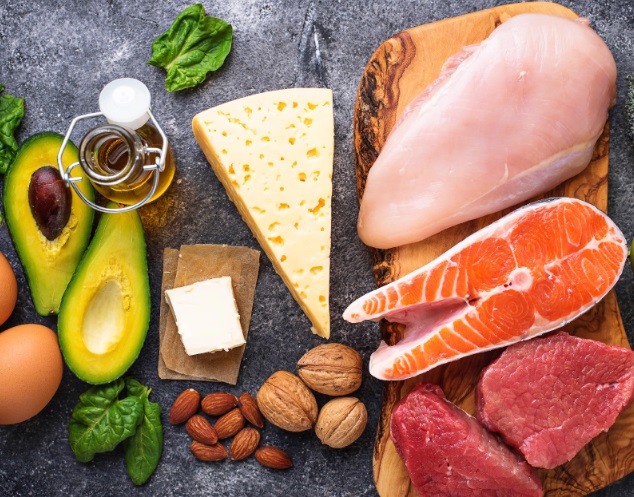
Protein is the most important nutrient for those wanting to reduce their blood insulin level. It is critical to eat protein at every meal because it is extremely satiating. Protein, along with fat will help to make you feel more full and satisfied after a meal, and keep you feeling satisfied for longer. This way sticking to a healthy diet won’t be so much of a struggle. Examples of protein include eggs, seafood, poultry, and red meat. I recommend you choose fatty cuts of protein rather than lean cuts because lean protein can trigger excess insulin secretion. Dairy products, nuts, and seeds contain smaller levels of protein. Protein powders can be extremely helpful for those wanting to lose weight because they provide a quick, tasty and easy meal option for busy days. A protein powder smoothie can also make a delicious and filling snack mid-morning or in the afternoon, when you might be struggling with sugar cravings.
Try to minimise snacking
 It is best to eat 2 or 3 meals and avoid snacking. Fasting helps to lower blood insulin levels and it has many other health benefits. Fasting isn’t appropriate for everyone though. Fasting between meals will give you similar benefits.
Exercise helps to lower insulin

Ideally, you would do something you like and do it consistently. The more muscle you have on your body, the more insulin sensitive your cells will be, thus your blood level of this hormone should drop.
Reduce inflammation in your body
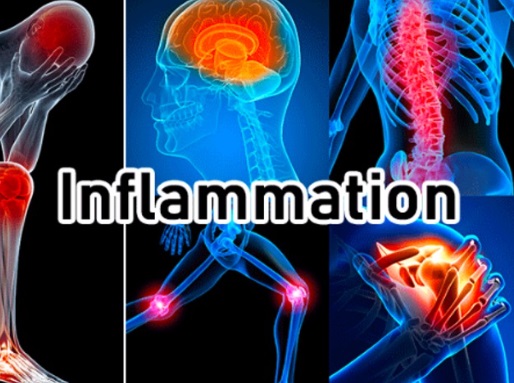
Ask your doctor for a blood test for C reactive protein. It indicates how much inflammation is occurring in your body. The majority of our patients have excess levels. Reducing sugar, gluten and processed foods in your diet should help. Serrapeptase is an enzyme supplement that helps clean up debris in your body.
For more lifesaving information about cancer, see the book The Breast Cancer Prevention Guide.
The above statements have not been evaluated by the FDA and are not intended to diagnose, treat or cure any disease.
Know someone who might benefit from this article? Share it!


Search
Shop Our Products by
Health Interest
-

Hormone & Thyroid Health
-

Liver & Gallbladder Health
-

Digestive Health
-

Bone & Joint Health
-

Women's Health
-

Immune Health
-

Healthy Aging
-

General Health
Most Recent Articles
Need Help?
1-888-75-LIVER
Monday to Friday, 9:00 am to 5:00 pm MST
100%
Satisfaction Guaranteed
If it’s faulty or wrongly described, we’ll replace it.