

What Causes Repeated Ear Infections?
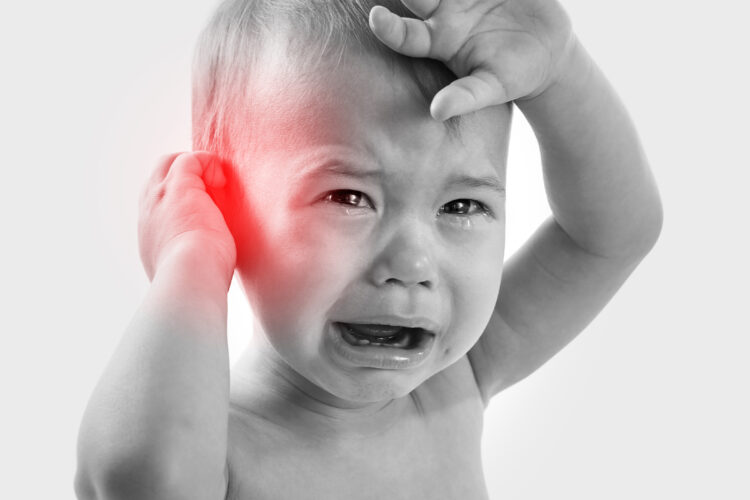
Ear infections are common in young children. The ear can become infected with bacteria, fungi or viruses in the ear canal, or the eustachian tube which connects the ear to the throat. Treatment can include antibiotics, antiviral drugs, pain killers, and sometimes even surgery. Ear infections can cause a great deal of pain and suffering for the child.
Antibiotics are commonly prescribed, and some children end up taking many courses of antibiotics each year. This is not ideal for the child's long term immune health or digestive health. It makes the child more prone to repeated infections, as well as allergies.
Ear infections do require treatment of course, as we don't want a child to develop permanent hearing damage. Ideally though, we'd prevent the infections from developing in the first place.
The following factors raise the risk of ear infections:
- upper respiratory tract infections
- food allergy or intolerance
- sudden changes in air pressure, such as during air travel
- blocked eustachian tube
- swimming in contaminated water
- not drying the outer ear properly after swimming or bathing
- being overly rough when cleaning the ears, which can scratch the delicate tissue
- children are more prone to ear infections because the eustachian tubes are more narrow
Food allergy can cause excess mucus to accumulate in the eustachian tubes of the ears. Mucus is a perfect home for bacteria; so a child can develop one infection after the other.
The most common food allergies in young children are to milk, egg white, peanuts, fish, wheat, corn and soy. Removing the offending food from their diet can offer a dramatic health improvement.
Children with food sensitivities always have a leaky gut. Their intestinal lining has become compromised. This allows incompletely digested food molecules to cross through into the bloodstream. The immune cells mount an attack, which creates chronically elevated inflammation. Removing food allergens from the diet helps to heal the gut lining. Glutamine is the main source of fuel for cells lining the gastrointestinal tract.
A good quality probiotic like Floratone will help to reduce inflammation to the gut lining. Probiotics help reduce the risk of infections and allergies in children. They are especially necessary for children who have taken antibiotics.
N-acetyl cysteine (NAC) is a protein with mucolytic effects in the body. That means it helps break down excess mucus. It is helpful for ear, sinus and respiratory congestion and infections.
For children, NAC powder can be given in a dose of 300mg twice daily in water. Talk to your health care provider about the best dose for you child or send us an email with your questions which will be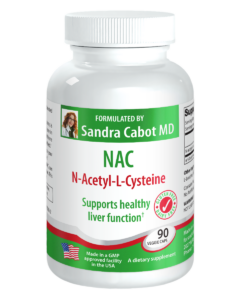 answered by one of our professional health team.
To relieve earache, paracetamol (acetaminophen) is often used and is not very effective. Excess use of paracetamol can damage the liver. You can purchase anesthetic ear drops to insert into the ear canal and they are very helpful for pain relief of localized ear pain. They are called Auralgin ear drops and you get these drops from a pharmacy.
Recurrent ear infections must be assessed by a specialist ear nose and throat surgeon as mechanical problems may be present.
The above statements have not been evaluated by the FDA and are not intended to diagnose, treat or cure any disease.
Know someone who might benefit from this article? Share it!


Search
Shop Our Products by
Health Interest
-

Hormone & Thyroid Health
-

Liver & Gallbladder Health
-

Digestive Health
-

Bone & Joint Health
-

Women's Health
-

Immune Health
-

Healthy Aging
-

General Health
Most Recent Articles
Need Help?
1-888-75-LIVER
Monday to Friday, 9:00 am to 5:00 pm MST
100%
Satisfaction Guaranteed
If it’s faulty or wrongly described, we’ll replace it.