
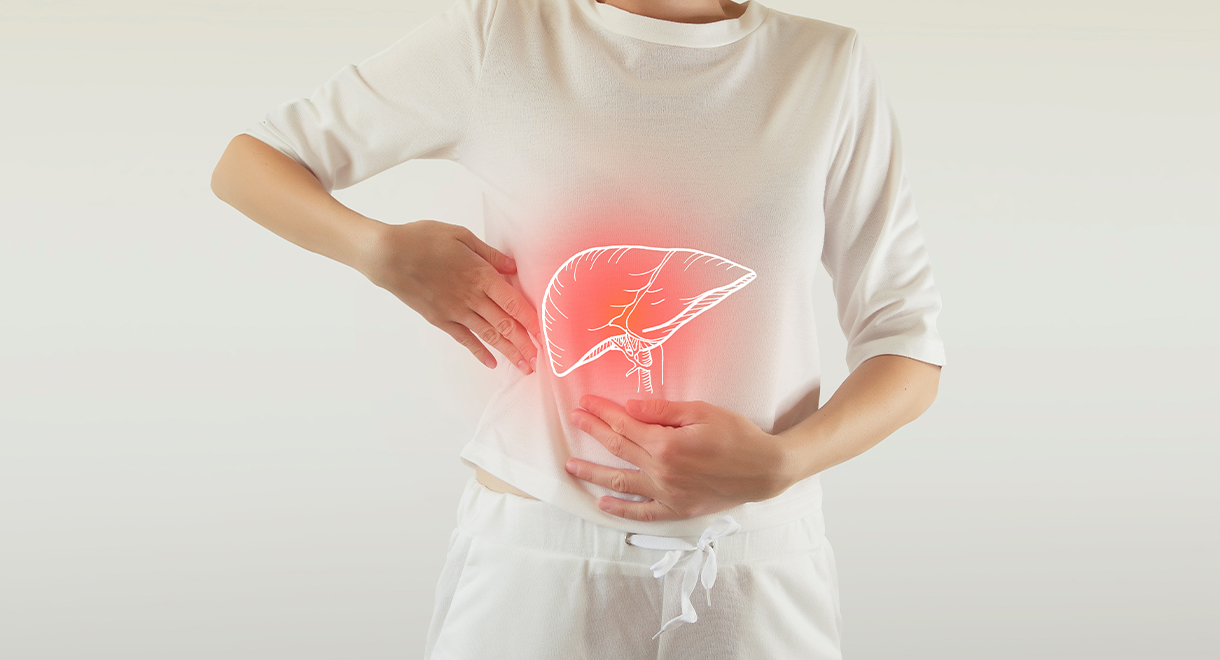
You Could Have A Dangerous Liver Disease With No Symptoms
Fatty liver is a serious liver disease that’s becoming more prevalent each year. Many people have no idea they’ve got a fatty liver until serious liver damage has occurred. Fatty liver is also known as metabolic dysfunction-associated steatotic liver disease (MASLD). Some doctors call it nonalcoholic steatohepatitis (NASH). In these conditions the liver swells from excess fat along with inflammation.
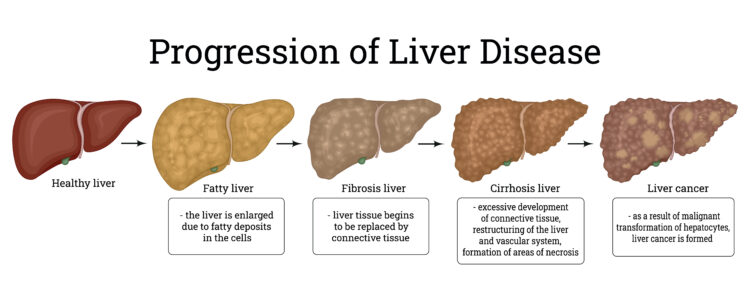
Fatty liver can cause cell damage that affects how well your liver functions. Eventually many people get liver scarring that doesn’t heal. This is called cirrhosis. It’s more likely to happen in diabetics and people who developed a fatty liver at a young age.
What causes Fatty Liver?
The most common cause is insulin resistance. This means the hormone insulin doesn’t work properly at burning fat. Carbohydrate is converted into fat and stored in the liver and other parts of the body. Many people with a fatty liver are overweight or type 2 diabetic. Metabolic problems like high cholesterol, high triglycerides, and elevated blood sugar are often also present. Certain medications raise the risk of fatty liver, including steroids, some drugs that treat cancer, antipsychotics and drugs used for abnormal heart rhythms.
Who Is More Likely to Get a Fatty Liver?
Anyone can develop a fatty liver, even children. Doctors most commonly diagnose the condition in people between the ages of 40 and 60. It is actually more common in females and is the most common reason why women need a liver transplant. Some cultures are more prone to fatty liver than others. It is more common among people who are Mexican American, Hispanic and Asian compared to people of other ethnicities.
How Common Is Fatty Liver?
It is thought that at least 30 percent of North American adults have a fatty liver. Many of these people have not been diagnosed because they don’t have any symptoms. They are walking around with damage occurring to their liver while being unaware. Each year the level of inflammation and scarring occurring in the liver can rise, until serious harm has been done.
What Are the Symptoms of Fatty Liver?
Many people don’t have any symptoms at all. Most commonly a fatty liver can make you feel tired. This is because the liver is responsible for so many important metabolic processes in the body. When fat is clogging the liver, it can’t carry out its functions properly. You might feel pressure or a mild ache in the upper right part of your belly. People with serious liver damage may start to bleed or bruise easily. Your skin may itch and the whites of your eyes can turn yellow.
How is fatty liver diagnosed?
A blood test can check to see if your liver is functioning properly. You can read about liver function tests in this article.
If an abnormality is found, your doctor will then order an ultrasound scan of your liver. A blood test and ultrasound are inexpensive and safe and not invasive. More specific tests can be ordered if the diagnosis is in question. Speak to your doctor about having your liver checked if you are concerned. 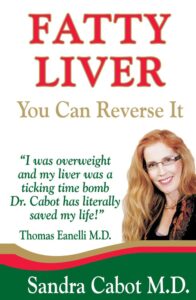
You can reverse a fatty liver
The good news is fatty liver is reversible in the vast majority of cases; you just have to know which eating plan is best.
My book Fatty Liver: You Can Reverse It contains a comprehensive plan to help you achieve just that. It can be difficult to stick to a healthy diet if you have a fatty liver. This is because your liver finds it harder to regulate your blood sugar. That means low blood sugar, intense sugar cravings and low energy are more likely to occur. The herbs and nutrients in Glicemic Balance help to stabilize your blood sugar and reduce those symptoms.
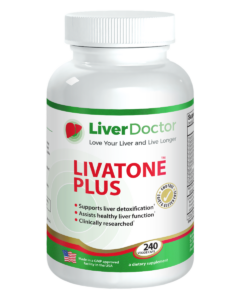 Having a fatty liver means there is a great deal of inflammation inside your liver and this inflammation causes damage to liver cells as well as other organs and tissues of the body. This greatly compromises the ability of your healthy cells to function. It makes it harder for your liver to burn fat and detoxify your bloodstream. A good liver tonic like Livatone Plus will help to improve the health of your liver cells.
Know someone who might benefit from this article? Share it!


Search
Shop Our Products by
Health Interest
-

Hormone & Thyroid Health
-

Liver & Gallbladder Health
-

Digestive Health
-
Bone & Joint Health
-

Women's Health
-

Immune Health
-

Healthy Aging
-

General Health
Most Recent Articles
Need Help?
1-888-75-LIVER
Monday to Friday, 9:00 am to 5:00 pm MST
100%
Satisfaction Guaranteed
If it’s faulty or wrongly described, we’ll replace it.