
Could Lectins Be Harming Your Gut?
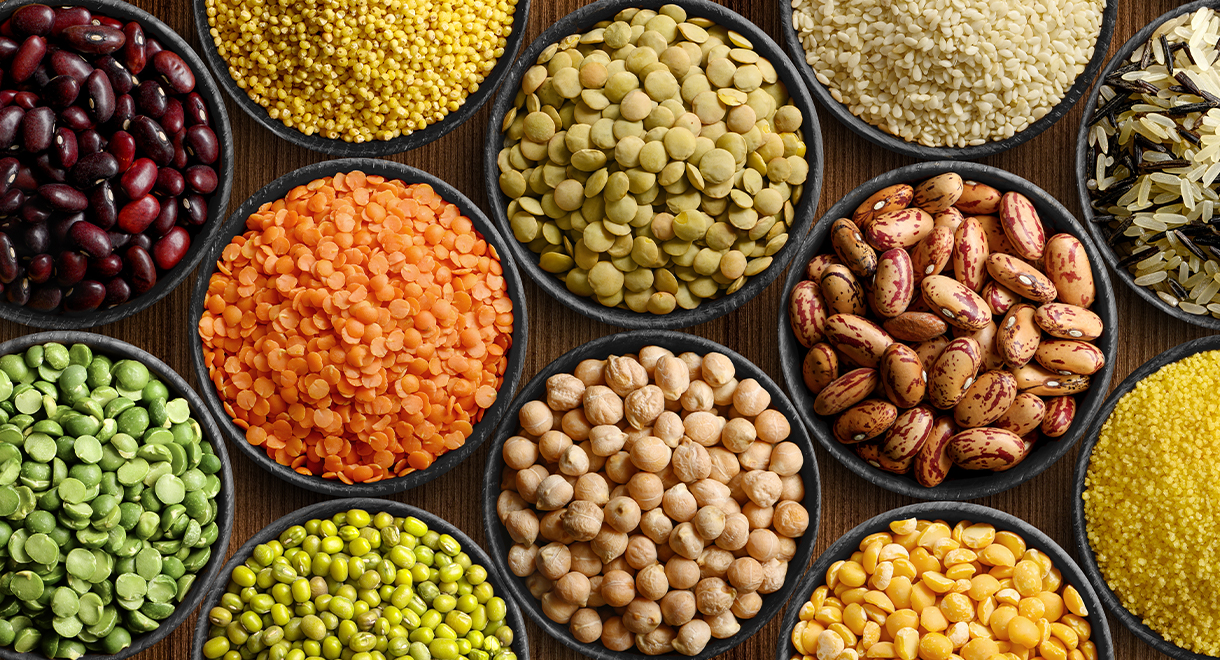
Lectins are a type of protein found in almost all foods. They are especially abundant in grains and legumes. Research suggests in some people lectins can increase intestinal permeability, causing a leaky gut. In this way they can initiate or aggravate autoimmune disease.
Lectins are a way plants protect themselves from attack by pests or predators. They are a plant’s natural defence molecules. In nature, every living thing is just trying to survive. Because plants can’t run away from a predator, they increase their chances of survival by producing toxins. The toxins are usually most concentrated in the seed of the grain, which is the part that people eat. Lectins are present in most foods, but the types of lectins found in grains can be harmful to the intestines. Two particularly problematic lectins are prolamins (gluten is an example) and agglutinins (such as wheat germ agglutinin). Prolamins are very difficult for the human body to digest. Gluten is comprised of gliadins and glutenins. The human body actually cannot digest gluten. We don’t make the enzymes necessary for breaking it apart. This is a problem because it means gluten can cross the intestinal lining intact, or partially digested.
Lectins can either damage and kill the cells that line your intestines (called enterocytes) or cause spaces to open up between your intestinal cells. The resultant little holes in your intestines allow wastes and toxins to leak into your bloodstream; then you can develop a leaky gut. Recent research is showing that gluten seems to trigger the release of zonulin in people with autoimmune disease. Zonulin causes the gap junctions between intestinal cells to open up, creating a leaky gut. This was once thought to only apply to people with coeliac disease, but research is uncovering the phenomenon in more and more autoimmune and inflammatory conditions. Asthma and rheumatoid arthritis are examples.
Along with peanuts, which are legumes, lectins are also found in nightshade vegetables. These include tomatoes, eggplant, capsicum, potatoes, chilli and paprika. People with autoimmune joint disease may experience an aggravation in their pain from those vegetables. Doing a one month elimination diet is a good way to check if they adversely affect you.
What to eat when you’re trying to heal your gut
Cooking reduces the lectin content of foods significantly. Legumes need to be boiled in water for at least 5 minutes. In theory, cooking lectin-rich foods can reduce their potentially harmful effects. In the real world though, many of our patients with gut problems or autoimmune disease experience a significant improvement in their condition when they keep grains, legumes and nightshade vegetables out of their diet. Red meat, seafood, poultry, fruits and most vegetables are typically the most appropriate foods to be consuming because they contain fewer potentially gut-irritating substances. Some people need to restrict FODMAPs in their diet as well. That means the options can be very limited for a period of time, but most people can broaden their diet again later on once their health improves.
Tips for healing leaky gut
- Minimizing or avoiding the causative agents is necessary. It’s also important to find out if you have a food intolerance, insufficient digestive secretions and microbial overgrowth in your gut.
- Apple cider vinegar, betaine hydrochloride, digestive enzymes and ox bile can all help improve digestion and reduce microbial overgrowth in the gut.
- You may need a herbal supplement. The essential oils of thyme, oregano and clove are all helpful for bloating and medically diagnosed irritable bowel syndrome and are found in BactoClear capsules.
- Glutamine is the number one remedy for strengthening the gut lining because the cells that line your intestines use glutamine as a fuel source. Glutamine is very beneficial when taken long term but it is also an excellent first aid remedy for diarrhea, gastroenteritis, food poisoning or any condition that results in an upset tummy. Glutamine is found in the Ultimate Gut Health powder.
- Try to keep your intake of sugar and alcohol low.
- There is much more information about leaky gut syndrome and autoimmune disease in our book Healing Autoimmune Disease: A plan to help your immune system and reduce inflammation.
The above statements have not been evaluated by the FDA and are not intended to diagnose, treat or cure any disease.
Know someone who might benefit from this article? Share it!


2 Comments
Search
Shop Our Products by
Health Interest
-

Hormone & Thyroid Health
-

Liver & Gallbladder Health
-

Digestive Health
-

Bone & Joint Health
-

Women's Health
-

Immune Health
-

Healthy Aging
-

General Health
Most Recent Articles
Need Help?
1-888-75-LIVER
Monday to Friday, 9:00 am to 5:00 pm MST
100%
Satisfaction Guaranteed
If it’s faulty or wrongly described, we’ll replace it.
Increased abdominal bloating is not to be ignored and although it is unlikely, it is best to have testing for both liver disease and digestive tract or female cancers. If these are excluded, the bloating may have been caused by changes in the intestinal microbiome which can come about by changes of diet or from eating food that perhaps had a high bacterial load.
We recommend you begin taking BactoClear - 2 capsules twice daily during meals for a two-bottle course.
Glutamine - 1 scoop in water to be taken both first thing in the morning and last thing at night 2 hours after eating.
Dietary choices can begin to modify the microbiome in a positive way and avoiding high lectin foods may be beneficial.
Kind regards
Victoria
Naturopath for Dr Sandra Cabot MD