
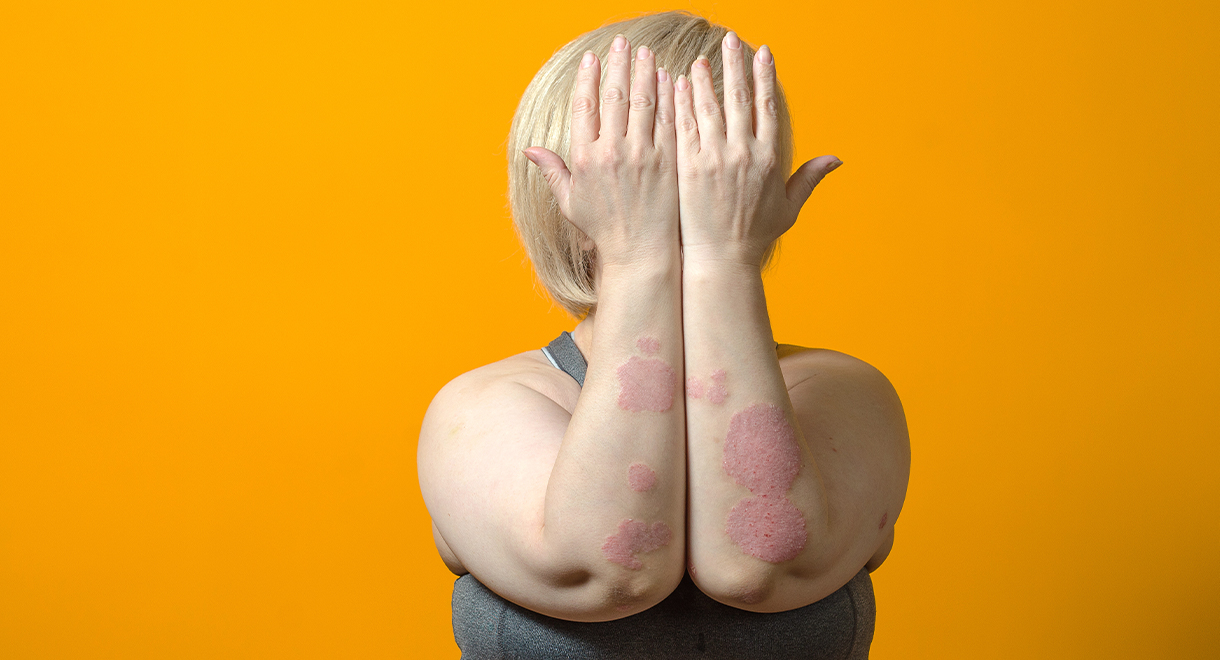
Diabetics With Skin Condition May Be At Risk Of Kidney Disease
New research has shown that type 2 diabetics with psoriasis are more likely to develop chronic kidney disease. This may be an early warning sign, prompting diabetics to take extra care of their kidneys.
Researchers conducted a retrospective cohort study of 27,044 patients between 2014 and 2024. They were split into two groups; those with and without psoriasis, diagnosed before starting medication to protect their kidneys.

The researchers assessed how many patients developed diabetic nephropathy, chronic kidney disease, ESRD (End Stage Renal Disease), and requirement for dialysis after 3, 5, and 10 years.
After 3 years, patients with psoriasis showed a significantly higher risk of diabetic nephropathy, ESRD and dialysis. The risk persisted for the duration of the study. The patients with such severe psoriasis that required use of biologic medication had a high risk of kidney failure despite use of medication that attempts to protect the kidneys.
Why is psoriasis linked with kidney failure?
The study authors made the following statement at the conclusion of the study: “Psoriasis may trigger a T-helper-17-driven inflammatory response, leading to the production of cytokines such as IL-17, IL-12/23, and TNF,” which induce renal inflammation, and this process is not targeted by ACEis, ARBs, or SGLT2is, which may explain the persistently elevated chronic kidney disease risk in patients with both type 2 diabetes and psoriasis”
Psoriasis is one of the most common autoimmune diseases, but many people do not realise the immune system is responsible. It occurs when the immune system of a person attacks their own skin. Symptoms include red scaly patches, itching and flaking of the skin. The body parts most commonly affected are the scalp, elbows and knees, but psoriasis can occur on any part of the skin.
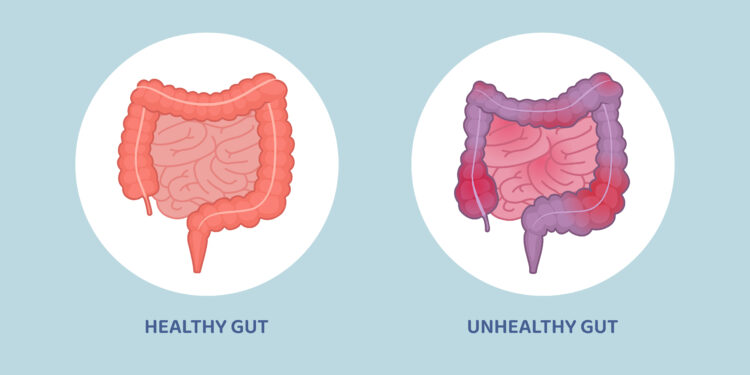
People with psoriasis have a higher number of bad gut bugs, which secrete inflammatory chemicals into the bloodstream. The gut bugs also inflame the gut lining, creating a leaky gut. This allows a greater quantity of waste products, bacterial toxins and the bacteria themselves to enter the bloodstream. This is known as bacterial translocation. It creates an inflammatory cascade, which can cause psoriasis in individuals who are genetically predisposed to develop it.
The inflammatory chemicals produced by the immune system travel right throughout the body. In type 2 diabetics they can injure the kidneys and worsen the kidney disease that typically occurs in most type 2 diabetics.
People with psoriasis also have reduced bacterial diversity in their gut. This means there is less competition, and harmful gut bugs can proliferate. Healing the gut is critical for anyone with psoriasis as that is where the excess inflammation originates.
Natural ways to overcome psoriasis
- Alcohol has a particularly negative effect on psoriasis. It can cause a serious flare up. Beer seems to be the worst culprit; probably because it also contains gluten. Alcohol does impair liver function, and people with autoimmune disease already have compromised liver health, and benefit from a powerful liver tonic and raw vegetable juices.
- Vitamin D is very beneficial for psoriasis. For most people, psoriasis improves significantly during summer. It is important to have a blood test to determine your vitamin D level, and correct it, either with sensible sun exposure or a supplement. Red, inflamed skin is far more susceptible to sunburn, so caution with sun exposure is important.
- Omega 3 fats help to reduce the inflammation of psoriasis. It is difficult to get enough omega 3 essential fatty acids through diet alone, because very few foods contain sufficient levels. Therefore some people may require a supplement. Oily fish such as sardines, herrings, mullet and mackerel are a good source. Salmon is high in omega 3 fats, as long as its wild and not farmed. A fish oil supplement may be required.
- Healing the gut lining is very important. Glutamine is well known for its ability to heal and seal a leaky gut. Glutamine is the most abundant amino acid in your bloodstream and is also found in high quantities in various tissues, including the gastrointestinal tract, liver, skeletal muscle, the brain and lungs. Your small intestine uses more glutamine than any other organ. Glutamine helps to strengthen tight junctions between intestinal cells and maintains the integrity of the intestinal lining.
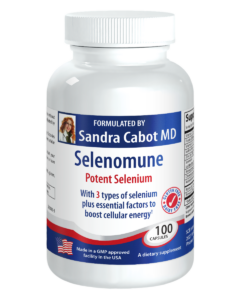
- Selenium is very important for anyone with autoimmune disease because it helps to reduce inflammation. Your body requires selenium in order to manufacture glutathione. This substance is your body’s own detoxifier and antioxidant. People with inflammatory conditions use up glutathione faster, therefore can easily become deficient.
For more information about overcoming psoriasis and other autoimmune conditions, please see our book Healing Autoimmune Disease: A plan to help your immune system and reduce inflammation.
The above statements have not been evaluated by the FDA and are not intended to diagnose, treat or cure any disease.
Know someone who might benefit from this article? Share it!


Search
Shop Our Products by
Health Interest
-

Hormone & Thyroid Health
-

Liver & Gallbladder Health
-

Digestive Health
-

Bone & Joint Health
-

Women's Health
-

Immune Health
-

Healthy Aging
-

General Health
Most Recent Articles
Need Help?
1-888-75-LIVER
Monday to Friday, 9:00 am to 5:00 pm MST
100%
Satisfaction Guaranteed
If it’s faulty or wrongly described, we’ll replace it.