
Hemorrhoids Are Often Caused By A Sluggish Liver
Are you aware that poor liver health raises your risk of hemorrhoids? Many people do not realise there is a connection. Hemorrhoids are extremely common. They affect around 75 percent of adults at some point in their lives. They are more common in women because constipation is more common in women, and during pregnancy a lot of pressure is placed on pelvic veins. Fortunately there is much you can do to reduce the risk of developing hemorrhoids, or ease the severity of hemorrhoids you already have.
What causes hemorrhoids?
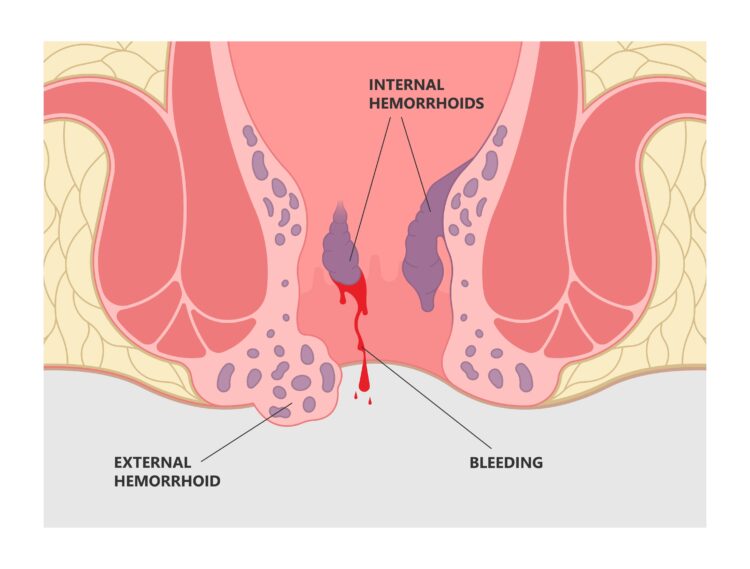
- Hemorrhoids are usually caused by increased pressure on the veins in the anus and lower rectum, causing them to swell and bulge. The pressure can result from the following factors:
- Digestive problems; either constipation or diarrhea
- Being overweight
- Having an unhealthy liver
- Nutrient deficiencies that weaken veins
- Regular heavy lifting
- Aging
Symptoms of hemorrhoids
Hemorrhoids may or may not cause symptoms, depending on how big they are and if they are internal or external. Typical symptoms include anal bleeding, anal itching, feeling a lump, and a feeling of incomplete emptying when having a bowel motion.
If you experience any of these symptoms please consult with your local doctor. Don’t assume you know the cause of your symptoms. It’s always important to get a thorough medical check up.
Natural ways to reduce the risk of hemorrhoids
Improve the health of your liver
Your liver does so many jobs in your body, including filtering blood, absorbing nutrients and detoxifying your body. When the portal vein (used to transport blood and nutrients from the gut to the liver) is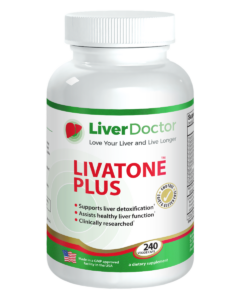 congested, it can result in a back flow of blood, eventually enlarging the blood vessels in the stomach. This puts pressure on the lower half of the body, including the lower intestines. Having a fatty liver, sluggish liver, or hepatitis all raise the risk of hemorrhoids. So does having gallstones or biliary sludge in the gallbladder or liver. See the books Fatty Liver: You Can Reverse It and Save your Gallbladder, and What to Do if you’ve already Lost It. Ox bile can be taken in supplement form. It thins the bile, making it easier to flow through the ducts inside the liver, and the gallbladder. This helps soften gallstones, and improves hemorrhoids.
Livatone Plus is the ultimate liver tonic designed to improve the liver’s fat burning abilities and improve liver detoxification.
Avoid being overweight
Being overweight can significantly increase your chances of developing hemorrhoids and it can also worsen your existing symptoms. Excess weight places an enormous amount of pressure on your veins, making it harder for blood to flow up towards your heart, and increasing congestion in your veins. Being overweight also raises the risk of high blood pressure. This can damage the lining of the arteries and potentially rupture the blood vessels, increasing the pressure experienced by your veins and worsening your symptoms. If you struggle with your weight, see the book I Can’t Lose Weight and I Don’t Know Why.
Ensure you have healthy bowel habits
When the liver is overwhelmed, this can cause constipation. A sluggish or fatty liver typically does not produce enough bile. Bile is your body’s own laxative. Straining too much on the toilet can cause or worsen enlarged veins in the rectum and anus, and can even make them bleed. Water, fiber, fat and salt all have laxative properties. Fibertone is a natural, safe and effective laxative that softens the stool, making it easier to pass.
Correct nutrient deficiencies
If your body is lacking in zinc or vitamin C, it will hinder your ability to repair weak blood vessels and produce collagen. If you don’t eat sufficient salads and vegetables, you may be lacking the antioxidants and phyto nutrients that strengthen blood vessel walls. Raw vegetable juices are an extremely effective and tasty way of upping your antioxidant intake.
Try to keep active
Sitting all day or standing in one spot for too long can encourage poor circulation, fluid retention, and the worsening of hemorrhoids. Any kind of movement is better than none at all, so please find an activity that is appropriate for your state of health.
The above statements have not been evaluated by the FDA and are not intended to diagnose, treat or cure any disease.
Know someone who might benefit from this article? Share it!


Search
Shop Our Products by
Health Interest
-

Hormone & Thyroid Health
-

Liver & Gallbladder Health
-

Digestive Health
-
Bone & Joint Health
-

Women's Health
-

Immune Health
-

Healthy Aging
-

General Health
Most Recent Articles
Need Help?
1-888-75-LIVER
Monday to Friday, 9:00 am to 5:00 pm MST
100%
Satisfaction Guaranteed
If it’s faulty or wrongly described, we’ll replace it.