

How To Improve Male Fertility And Hormones
Did you know that sperm counts, and testosterone levels are plummeting in most parts of the world? This is a disaster for male fertility as well as overall health. Testosterone is the most important male hormone. It’s critical for a man’s metabolic health and mental health. Testosterone deficiency is a problem I see not just in older men; it’s common among men in their 30s.
Several studies around the world have shown that sperm production has taken a significant dive since the 1900s. A meta analysis from 1992 showed a worldwide drop in sperm counts between 1938 and 1990. The findings were based on semen analyses of almost 15,000 men in 23 countries.
A more recent study found a 51.6 percent reduction in sperm counts worldwide between 1973 and 2018. Our modern diets and lifestyles are not compatible with optimal sperm production.
Testosterone levels are also falling
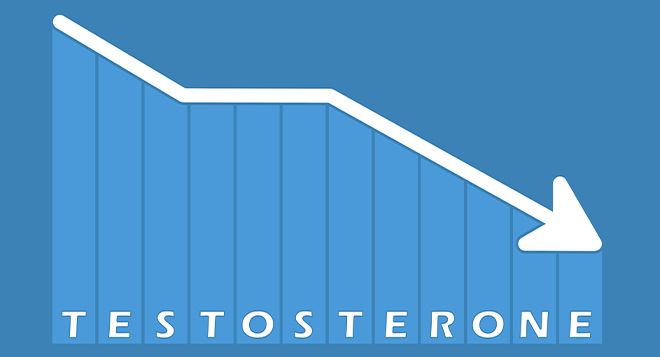
Testosterone is the main male hormone in men (androgen). It stimulates the development of male characteristics and is necessary for sperm production.
Testosterone levels naturally fall as men age; however they fall a lot more rapidly in overweight men. Studies conducted at the New England Research Institutes have shown that if a 1.83 meter (6 foot 1 inch) tall man gains as little as 13.6kg (30 pounds) he can lose testosterone production from his testicles to the equivalent of aging 10 years.
Men who experience a traumatic event like the death of their wife experience a similar drop in testosterone. As men age their liver produces higher levels of a protein that binds with testosterone in the bloodstream and inactivates the testosterone. This means that there is less free and active testosterone in the blood.
Fat cells contain an enzyme called aromatase, which converts testosterone into the female hormone estrogen. Estrogen promotes the growth of fatty tissue in the breasts and hips. The more fat cells a man has, the more estrogen his body produces. In some cases overweight men may experience the growth of breasts, which are a strong indication of insulin resistance.
It's not just overweight men who are at risk of low testosterone. Slim looking men with a fatty liver and men with nutrient deficiencies can also be affected. Zinc and selenium are both critical for both sperm production and testosterone production.
Environmental chemicals are harming sperm
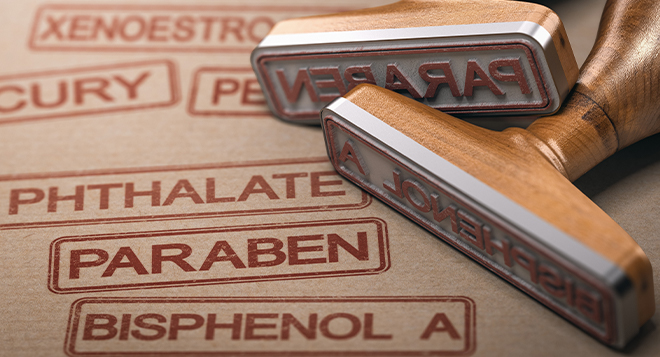
A number of different chemicals most people are exposed to in daily life have the ability to interfere with sperm and testosterone production. These include plastics such as phthalates and bisphenol, as well as heavy metals, flame retardants and PFAS.
Per- and polyfluoroalkyl substances (PFAS) are a family of chemicals that have been used in manufacturing and added to consumer products since the 1950s. The chemicals allow grease and dirt to slide off carpets and clothing, protect manufacturing equipment from heat and corrosion damage, and even help to smooth the skin when used in foundation, primer or moisturizer.
These chemicals are often referred to as forever chemicals because they can take thousands of years to degrade. Therefore, if they leak into the soil or water, they could remain there for centuries. They are found in the water in most parts of the world. That’s one reason it’s so important to filter your water before drinking it.
Seed oils can harm sperm

The polyunsaturated fats (PUFAs) in seed and most nut oils can cause oxidative damage to sperm, impairing their health and function. Examples of oils high in PUFAs include sunflower, safflower, cottonseed, corn, grapeseed, sesame, peanut, rice bran, canola and soybean oil. These oils are found in almost 100 percent of processed foods.
PUFAs have multiple double bonds in their chemical structure, which makes them more susceptible to oxidative damage because free radicals can easily react with their double bonds. The oxidation can cause the formation of harmful products called lipid peroxides. Fats comprise the membranes of all the cells in your body, as well as the inner membrane of mitochondria, which is where energy is produced in your body.
Oxidative stress in sperm is a major contributor to male infertility because it can cause DNA fragmentation in sperm. This can prevent conception and raise the risk of miscarriage. Research has shown high levels of sperm DNA damage in over 85 percent of men whose partners had recurrent miscarriages. Being nutrient deficient adds to the DNA damage.
How to maintain healthy sperm and testosterone
Try to maintain a healthy body weight. Ideally a man’s waist circumference should not be greater than 35 inches. Any more than that indicates there is probably too much fat accumulating around the abdominal organs and inside the liver. If you have a fatty liver I recommend you follow my eating plan in my book Fatty Liver: You Can Reverse It.
Increasing the protein and zinc content of your diet helps raise testosterone. Red meat is a rich source of both of those nutrients and we’ve found that our patients who increase red meat in their diet achieve a higher blood testosterone level.
Magnesium is a mineral with a calming and relaxing effect on the nervous system. It helps your body to cope with stress and it helps you achieve a deeper, better quality sleep. Magnesium also helps to increase the strength of erections.
Selenium protects the DNA inside cells from damage; therefore it protects the DNA inside sperm from fragmentation. Research has shown that selenium improves the health of Leydig cells inside testes, which are the cells that manufacture testosterone. This has the beneficial effect of improving sperm quality, as well as overall male health. Selenium also helps to reduce the risk of miscarriage. An optimal level of selenium supplementation is 200 micrograms per day.
N-acetyl cysteine (NAC) is a supplement that increases your body’s production of glutathione. It is the building block for glutathione production. Glutathione is a potent antioxidant and your body’s most powerful detoxifier. Research shows NAC helps to improve male fertility by boosting sperm health. A recent study showed that daily supplementation with n-acetyl-cysteine for 3 months in men with abnormal sperm significantly improved sperm quality and reduced signs of oxidative stress. Oxidative stress harms sperm in a way that compromises fertility.
The men in the study took 600mg of NAC each day for 3 months and had their before and after semen analysis compared. Significant benefits were seen in all seminal parameters tested: sperm concentration, total motility and progressive motility, with a marked reduction in abnormal morphology. There were also big reductions in the percentages of DNA fragmentation (breakages in DNA that can cause infertility or birth defects). Interestingly, all hormonal levels except prolactin changed, and the men experienced an increase in testosterone.
For more information see our book Infertility: The Hidden Causes.
References
https://www.ncbi.nlm.nih.gov/pmc/articles/PMC5675356/
https://www.ncbi.nlm.nih.gov/pmc/articles/PMC6377938/
https://www.tandfonline.com/doi/abs/10.1080/01485010390129269
The above statements have not been evaluated by the FDA and are not intended to diagnose, treat or cure any disease.
Know someone who might benefit from this article? Share it!


Search
Shop Our Products by
Health Interest
-

Hormone & Thyroid Health
-

Liver & Gallbladder Health
-

Digestive Health
-

Bone & Joint Health
-

Women's Health
-

Immune Health
-

Healthy Aging
-

General Health
Most Recent Articles
Need Help?
1-888-75-LIVER
Monday to Friday, 9:00 am to 5:00 pm MST
100%
Satisfaction Guaranteed
If it’s faulty or wrongly described, we’ll replace it.