
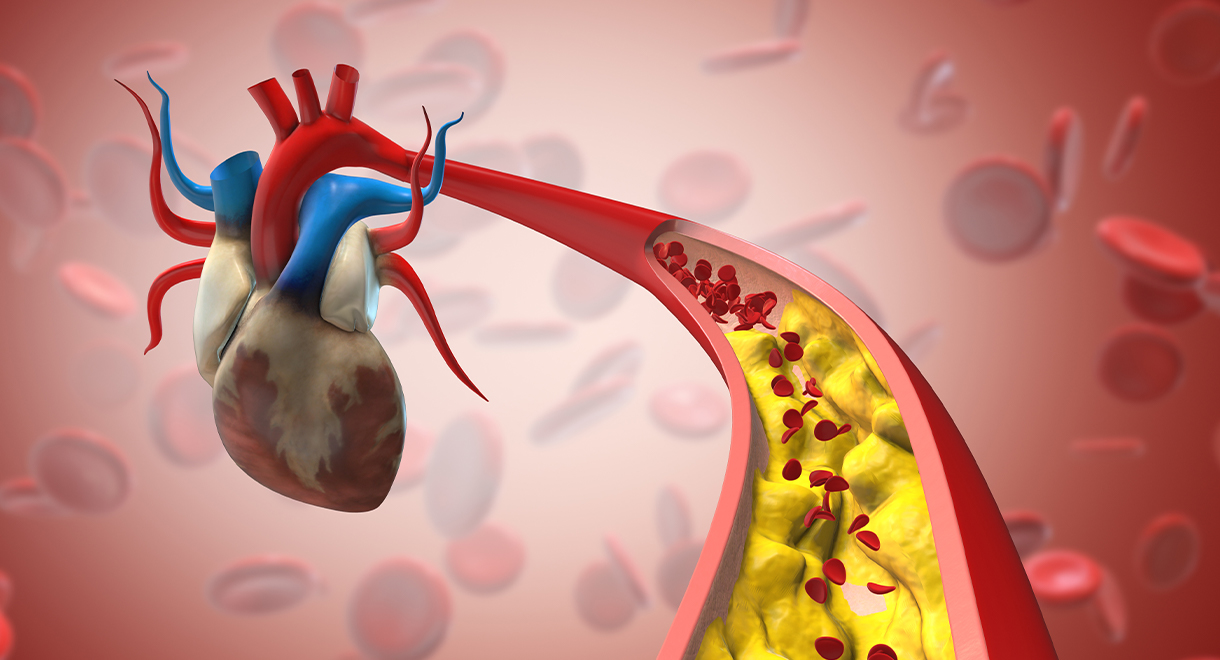
Insulin Resistance Will Clog Your Arteries
New research shows that being insulin resistant makes it more difficult for the heart to function. The heart becomes weaker and doesn’t pump blood as efficiently. The arteries within the heart start to become clogged with fat and the risk of diabetes rises. Many people are suffering with insulin resistance and are unaware of these risks.
A study published in the journal Diabetes Care was titled Cardiac Insulin Resistance in Subjects With Metabolic Syndrome Traits and Early Subclinical Atherosclerosis. 821 asymptomatic individuals aged between 46 and 53 years underwent two whole body FDG PET scans. PET scans are usually used to detect cancer in the body. FDG refers to a radioactive form of glucose that is taken up by cancer cells, helping to detect where cancer may be present in the body. In this particular study the uptake of glucose was solely measured in the heart. A healthy heart is a very metabolically active organ and readily takes up glucose, fat and ketones.
Each participant had their heart scanned to see how much glucose their heart cells were able to take up. Results varied from a score of 0, where the heart cells couldn’t take up any glucose, to 3, which was the best score in people with the healthiest hearts.
156 participants received a score of zero. This meant their heart cells were severely insulin resistant. The hormone insulin was not working properly. It did not allow glucose to enter the heart cells.
The people with the worst insulin resistance were found to have the following problems:
- Higher level of atherosclerosis within the arteries of the heart
- Impaired function of mitochondria in heart cells. That means the heart cells were not able to generate enough energy.
- Higher fasting blood sugar level
- Higher blood pressure
- Higher levels of c reactive protein, which indicates raised inflammation in the body
- Higher levels of insulin in the bloodstream, which is further proof that they were insulin resistant.
- Increased risk of type 2 diabetes
- Reduced ability of the heart to pump blood, increasing the risk of a heart attack or stroke.
Insulin resistance is very bad for your heart
Too many people are overly worried about their cholesterol level when they should be concerned about their insulin and blood sugar levels. These markers are better indicators of metabolic health. Insulin resistance means that the cells of the body no longer respond as well to the effects of insulin. If the heart cells don’t respond properly to insulin, they don’t have the energy they require to pump efficiently, and the arteries within the heart get clogged with fat.
How to protect your heart
Be aware that your liver is the most metabolically active organ in your body. Two of its main jobs are fat burning and detoxification. If your liver is healthy you will find it easier to maintain a healthy heart. If your liver is healthy you will also have a healthy level of glucose, insulin and cholesterol in your blood. If you have a fatty liver, please follow the guidelines in my book Fatty Liver: You Can Reverse It. If you are carrying excess weight on your abdomen, my liver tonic, Livatone Plus, should help to shift it more easily.
Eating more sugar and carbohydrate rich foods than your body can tolerate can make you insulin resistant. The carbohydrate can be converted into fat in your liver and then clog your arteries. Cutting down or cutting out foods like bread, pasta, rice, breakfast cereals, sugary drinks and any food that contains flour or sugar is a very useful way of keeping your heart healthy. Sugar and carbs can be addictive for a lot of people despite their best efforts to stay away from them. That’s when a blood sugar balancing supplement can really help. The herbs Gymnema and bitter melon, as well as the minerals chromium, magnesium and manganese all help to stabilize blood sugar and thereby reduce hunger and cravings. Glicemic Balance capsules contain these ingredients and are best taken with each meal.
Be aware of excess linoleic acid in your diet. Most vegetable oil is far too high in omega 6 fats which promote inflammation. When these fats are heated (during cooking) they are further damaged and become very harmful to the body. The healthiest fats to include in your diet are avocados, extra virgin olive oil, macadamia nut oil, organic coconut oil, pastured butter and ghee and animal fats.
Type 2 diabetics and people with insulin resistance are at much higher risk of heart disease than the average person. People with these conditions usually have elevated blood insulin levels and insulin stimulates the liver to make cholesterol. Berberine is a natural plant extract that can help people with insulin resistance or diabetes to reduce their cholesterol. This is because it inhibits an enzyme in the body called PCSK9. This facilitates the removal of LDL cholesterol from your bloodstream. Berberine actually has the same mechanism of action as the new cholesterol lowering drugs called PCSK9 inhibitors, but without the typical side effects of flu like symptoms, back pain and joint pain.
For more information about keeping your heart healthy see my book Cholesterol: The Real Truth.
The above statements have not been evaluated by the FDA and are not intended to diagnose, treat or cure any disease.
Know someone who might benefit from this article? Share it!


2 Comments
Search
Shop Our Products by
Health Interest
-

Hormone & Thyroid Health
-

Liver & Gallbladder Health
-

Digestive Health
-
Bone & Joint Health
-

Women's Health
-

Immune Health
-

Healthy Aging
-

General Health
Most Recent Articles
Need Help?
1-888-75-LIVER
Monday to Friday, 9:00 am to 5:00 pm MST
100%
Satisfaction Guaranteed
If it’s faulty or wrongly described, we’ll replace it.
Any suggestions regarding berberine??
Berberine definitely wouldn't be the reason for your blood sugar being off.
Eating carbs in excess and having a fatty liver affects blood sugar levels.
You may find this article helpful:https://www.liverdoctor.com/signs-of-unstable-blood-sugar/
We also recommend checking out Dr Cabot's recent videos on fatty liver:https://www.youtube.com/@drsandracabot/search?query=fatty%20liver
To stabilise blood sugar levels we recommend having meals containing protein and fat. This also makes you feel full and is good for weight loss.
We recommend 1 cap of Berberine in the middle of meals 3 times a day.
Dr Cabot also did a wonderful video on Hashimoto's disease:https://www.youtube.com/watch?v=pTnFmr5yyXg&t=1s
Let us know how you get on.
Kind regards,
Jessah Shaw
Nutritionist