
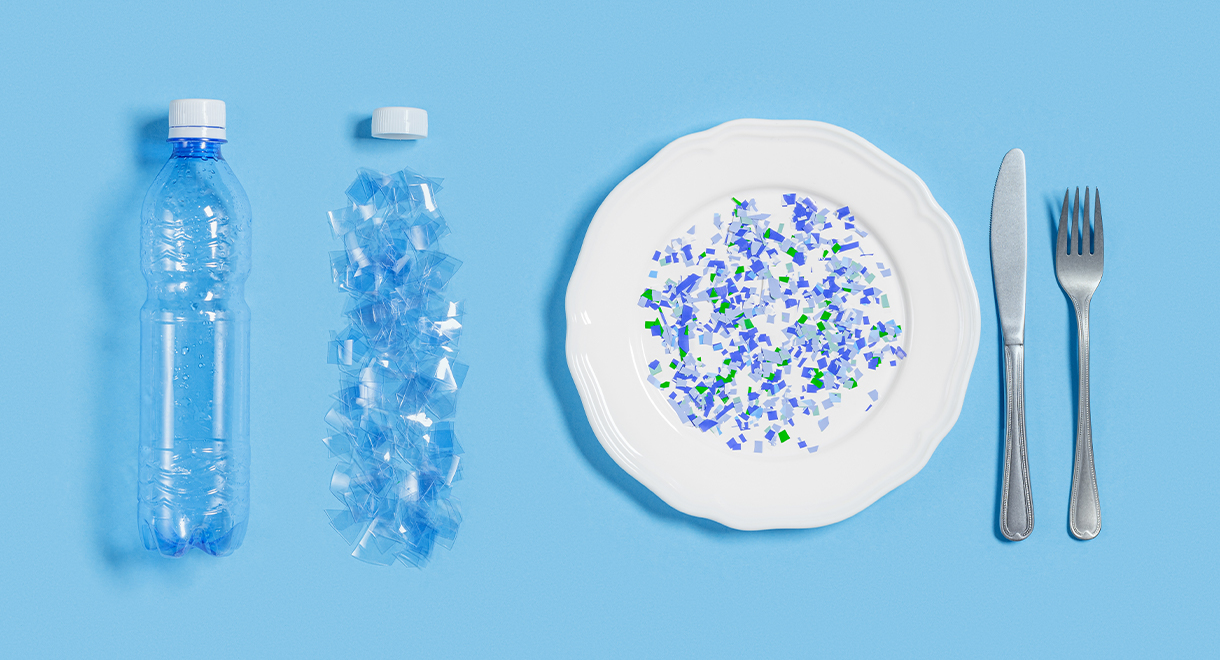
Microplastics Raise Your Risk Of A Heart Attack Or Stroke
A shocking new study published in the New England Journal of Medicine found that the presence of microplastics in arterial plaques is associated with a 350 percent increased risk of death due to heart attack and stroke. Plastic particles are able to bury themselves inside immune cells like jagged debris, initiating inflammation in the delicate artery lining. Global plastic production is set to quadruple by 2050. This is a serious problem we should all be concerned about.
The study analysed microplastics and nanoplastics in human atherosclerotic plaques and found they are associated with a significantly higher risk of cardiovascular death due to heart attack or stroke.
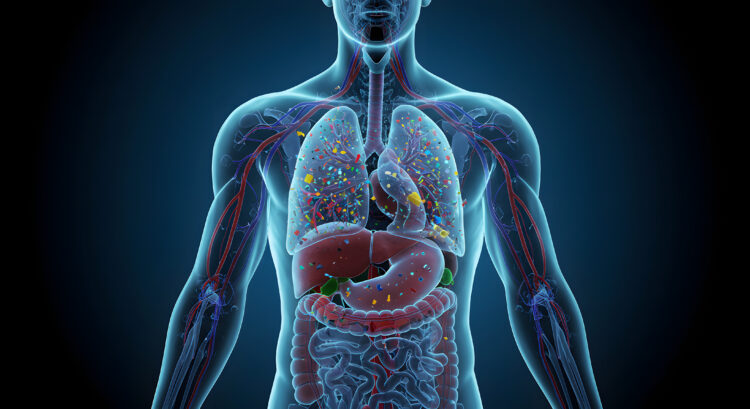
The tiny plastic particles are known to cause inflammation, oxidative stress, and cardiac dysfunction. Polyethylene and polyvinyl chloride were the types of plastic most frequently found embedded in the arteries. Through use of an electron microscope, it was discovered that foreign particles were present inside plaque macrophages (white blood cells) and also scattered in the extracellular debris of artery plaque. Patients with the most plastic fragments in their artery plaque had a 350 percent increased risk of a fatal cardiovascular event.
How does plastic raise the risk of heart attacks and strokes?
Plastic particles increase inflammation wherever in the body they end up. Inflammation in the arteries can encourage the deposition of fat, scar tissue and calcium. The presence of micro and nano plastic was linked to increased inflammatory markers within the plaque. Plastic can trigger inflammatory responses in artery and immune cells, promoting the development and progression of atherosclerosis. Plastic also increases oxidative stress, another process that promotes cardiovascular disease. The oxidative stress can cause cell death of the cells that line the arteries.
Additionally, micro and nano plastic actually increase the risk of blood clots by promoting platelet aggregation and increasing the production of clotting factors.
Ways to reduce your risk of cardiovascular risk:
In our modern world, it is not possible to completely avoid contact with plastic. It is found in the air, water, soil and food. All you can do is minimise your contact with plastic as much as possible. Never consume hot foods or beverages that have been stored in plastic containers. Heat causes plastic molecules to leach into the food or drink. In your home, try to store food in glass or stainless steel containers. It is best to install a water filter on your tap to remove micro plastic and other contaminants from your water source.
Make sure you have a healthy liver. This is the main organ responsible for detoxifying your body of plastic and other harmful pollutants. A fatty or sluggish liver will not do an adequate job. Your liver is also the main site of cholesterol production in your body. A healthy liver equals a healthy cholesterol level. See the diet guidelines in my book Fatty Liver: You Can Reverse It. Taking a good liver tonic like Livatone Plus will provide your liver cells with what they need to repair themselves and improve their fat burning abilities.
Have a blood test for C-reactive protein and Erythrocyte Sedimentation Rate. They are both markers of inflammation. Having high levels of inflammation in your body is known to promote atherosclerosis because it causes damage to the artery lining. If you want a technical explanation, inflammatory chemicals damage the glycocalyx. The glycocalyx is a gel-like layer that covers the surface of your blood vessels. It protects cells that line your arteries from damage
Sugar and all carbohydrate rich foods can raise your cholesterol because your liver turns the carbohydrate into fat. Therefore, cutting down or cutting out foods like bread, pasta, rice, breakfast cereals, sugary drinks and any food that contains flour or sugar is a very useful way of keeping your heart healthy. I know it can feel almost impossible to quit eating sugar if your body is accustomed to it and you suffer with unstable blood sugar (hypoglycemia). That’s when a blood sugar balancing supplement can really help. The herbs Gymnema and bitter melon, as well as the minerals chromium, magnesium and manganese all help to stabilize blood sugar and thereby reduce hunger and cravings. Glicemic Balance capsules contain these ingredients and are best taken with each meal.
Most vegetable oil is far too high in omega 6 fats which promote inflammation. When these fats are heated (during cooking) they are further damaged and become very harmful to the body. The healthiest fats to include in your diet are avocados, extra virgin olive oil, macadamia nut oil, organic coconut oil, pastured butter and ghee and animal fats.
For more information about keeping your cardiovascular system well, see our book Cholesterol: The Real Truth.
The above statements have not been evaluated by the FDA and are not intended to diagnose, treat or cure any disease.
Know someone who might benefit from this article? Share it!


2 Comments
Search
Shop Our Products by
Health Interest
-

Hormone & Thyroid Health
-

Liver & Gallbladder Health
-

Digestive Health
-

Bone & Joint Health
-

Women's Health
-

Immune Health
-

Healthy Aging
-

General Health
Most Recent Articles
Need Help?
1-888-75-LIVER
Monday to Friday, 9:00 am to 5:00 pm MST
100%
Satisfaction Guaranteed
If it’s faulty or wrongly described, we’ll replace it.
You may find this video helpful:https://www.youtube.com/watch?v=p2Ie0M7mWl0
Kind regards,
Jessah Shaw
Nutritionist