
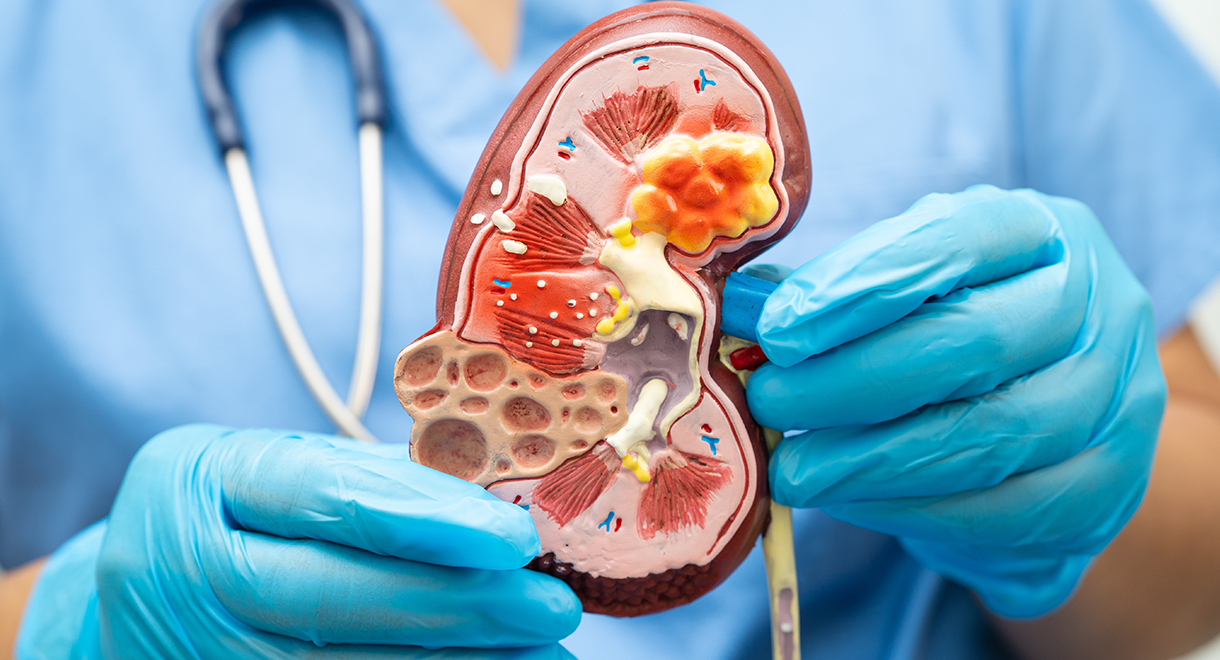
Silent Kidney Disease Is Now A Leading Cause Of Death
Chronic kidney disease has risen to almost 800 million cases and is now among the top causes of death in almost every country. Kidney disease is heavily linked with type 2 diabetes, high blood pressure and obesity. Tragically, kidney disease often goes unnoticed until the late stages. It can produce almost no symptoms. Many nations lack access to dialysis and kidney transplants, leaving millions of people without adequate care.
An increasing number of people around the world are now suffering with reduced kidney function, according to a new study. The number rose from 378 million in 1990 to 788 million in 2023. As the world’s population has grown older, chronic kidney disease has reached a point where it is now among the top 10 causes of death.
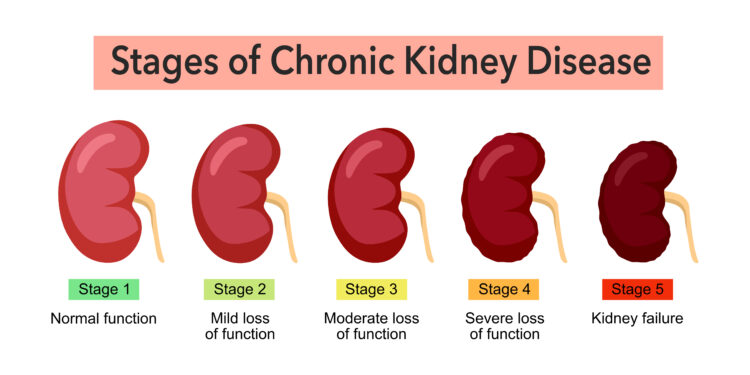
What is chronic kidney disease?
It occurs when the kidneys gradually lose the ability to clear waste and extra fluid from the bloodstream. Early stages typically produce no symptoms or mild symptoms that are ignored. Advanced kidney disease may require dialysis or a transplant.
What causes chronic kidney disease?
These factors increase the risk:
- High blood pressure. If undiagnosed or untreated, high blood pressure can cause significant damage to the kidneys. This is because the excess pressure places stress on the delicate capillaries within the kidneys, damaging them.
- Elevated blood sugar. Diabetes greatly increases the risk of kidney damage, and so does pre-diabetes and insulin resistance. A glucose spike after a high sugar meal can stress the kidneys in people with or without diabetes.
- Kidney infections.
- Autoimmune disease of the kidneys, such as glomerulonephritis or lupus that affects the kidneys.
- Long term use of some medications such as non steroidal anti inflammatory drugs and some stomach acid blocking drugs.
- Obesity
- Cigarette smoking or vaping
The kidneys usually cope well with minor damage and can still carry out their functions well. If kidney function falls below 25 percent, serious health problems develop. If kidney function drops below 15 percent, dialysis is usually required.
According to one of the study authors, Josef Coresh, MD, PhD, director of NYU Langone's Optimal Aging Institute,
“Our work shows that chronic kidney disease is common, deadly, and getting worse as a major public health issue. These findings support efforts to recognize the condition alongside cancer, heart disease, and mental health concerns as a major priority for policymakers around the world."
How to protect your kidneys
- Try to keep your blood sugar in the healthy range. Avoid becoming overweight or a type 2 diabetic.
 If you do have diabetes, try to get your blood sugar as close to normal as possible. See my book Diabetes Type 2: You Can Reverse It Naturally for solutions.
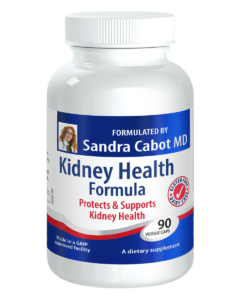
 - Kidney Health Formula capsules are designed to support optimal kidney function and to protect your kidneys from inflammation. These capsules contain:
- Phyllanthus Amarus which is a plant with thousands of years of traditional use to reduce kidney stones. It exerts anti-septic and anti-inflammatory properties on the kidneys and liver. It is ideal for people who get kidney stones.
- NAC (N-Acetyl- Cysteine) and Selenium which promote the production of the antioxidant glutathione which protects the kidneys
- Parsley to promote excretion of excess fluid from the body
- Cranberry to reduce kidney infections
- Vitamin C to prevent urinary tract infections
- Get your blood pressure checked and make sure it is not too high. Insulin resistance is the biggest cause of high blood pressure. There is information about how to reverse that in the book I Can’t Lose Weight and I Don’t Know Why.
- Treat all urinary tract infections promptly.
- Drink enough water so that your urine is fairly clear, with a mild yellow tinge.
- Avoid becoming dehydrated. This can occur due to sweating in extreme heat, vomiting or diarrhea, or a serious infection such as the flu when you sleep for most of the day and don’t drink enough fluid. Dehydration can harm the kidneys, particularly in older individuals who are taking several prescription medications or pain killers.
- See your doctor if you experience pain in your mid to lower back. Your kidneys are just below your bottom ribs.
The above statements have not been evaluated by the FDA and are not intended to diagnose, treat or cure any disease.
Know someone who might benefit from this article? Share it!


Search
Shop Our Products by
Health Interest
-

Hormone & Thyroid Health
-

Liver & Gallbladder Health
-

Digestive Health
-
Bone & Joint Health
-

Women's Health
-

Immune Health
-

Healthy Aging
-

General Health
Most Recent Articles
Need Help?
1-888-75-LIVER
Monday to Friday, 9:00 am to 5:00 pm MST
100%
Satisfaction Guaranteed
If it’s faulty or wrongly described, we’ll replace it.