

Sugar Could Be Harming Your Heart
Are you concerned about the health of your heart? Your daily diet can have a massive impact on how strongly your heart contracts and the health of your arteries surrounding your heart. Most people focus on the fat and cholesterol in their diet and forget all about sugar. The truth is that sugar and starch can cause a lot of harm to your cardiovascular system in ways that may surprise you.
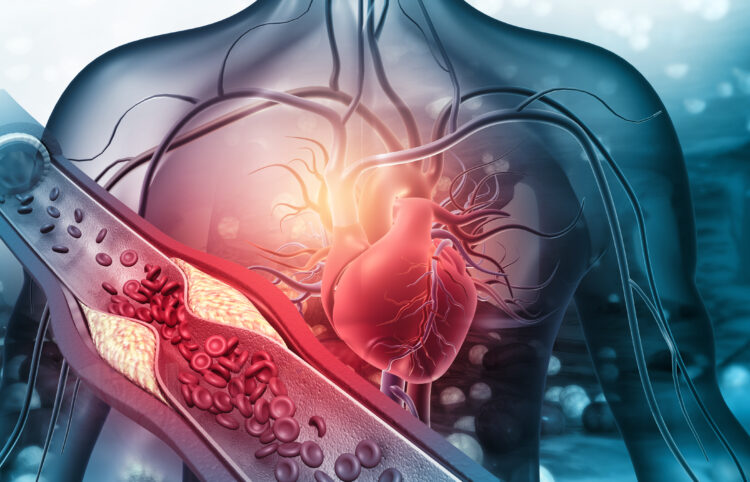
How can sugar harm your heart?
When you consume a meal containing sugar (carbohydrates) it is broken down into smaller glucose (sugar) molecules for use in the body. The hormone insulin is released from the pancreas in response to the spike in blood glucose. A portion of the glucose will be used as an immediate energy source, and the extra is stored as glycogen in the body for later energy use.
When glycogen stores are full and there is excess glucose in the blood, insulin will convert it into fat cells for storage in the body. That’s right, sugar turns to fat! One of the areas the fat is stored is in the liver. Liver cells are slowly replaced by fat cells, leading to non-alcoholic fatty liver disease (NAFLD). A fatty liver produces inflammatory chemicals that cause damage to the inner lining of your arteries (called the endothelium).
If sugar is consumed on a regular basis, it can cause chronic and systemic inflammation throughout the body. Sugar has also been shown to directly suppress the immune system. When the immune system is suppressed, the chance of catching a viral or bacterial infection is increased and the body’s ability to fight infections is reduced. The fatty plaques that form on coronary arteries contain the types of bad bacteria usually found in infected gums. The bacteria can cause rupture of plaques, potentially leading to a blood clot.
If the liver is fatty, its ability to process and remove toxins from the body is decreased. Toxins stay in circulation for longer periods of time and start to cause damage to tissues and organs in the body. When the liver is not functioning optimally, its ability to burn excess fat is reduced. Fat can accumulate around the heart, compromising its ability to contract.
How to look after your heart
Your liver is the most metabolically active organ in your body. Two of its main jobs are fat burning and detoxification. If your liver is healthy you will find it easier to maintain a healthy heart. If your liver is healthy you will also have a healthy level of glucose, insulin and cholesterol in your blood. If you have a fatty liver, please follow the guidelines in my book Fatty Liver: You Can Reverse It. If you are carrying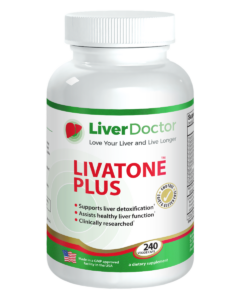 excess weight on your abdomen, my liver tonic, Livatone Plus should help to shift it more easily.
If eaten in excess, sugar and carbohydrate rich foods can make you insulin resistant. The carbohydrate can be converted into fat in your liver and then clog your arteries. Cutting down or cutting out foods like bread, pasta, rice, breakfast cereals, sugary drinks and any food that contains flour or sugar is a very useful way of keeping your heart healthy. Sugar and carbs can be addictive for a lot of people despite their best efforts to stay away from them. That’s when a blood sugar balancing supplement can really help. The herbs Gymnema and bitter melon, as well as the minerals chromium, magnesium and 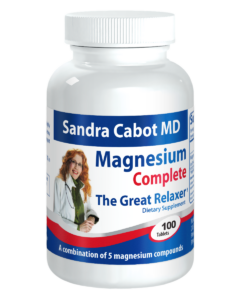 manganese all help to stabilize blood sugar and thereby reduce hunger and cravings. Glicemic Balance capsules contain these ingredients and are best taken with each meal.
Most vegetable oil is far too high in omega 6 fats which can promote inflammation. When these fats are heated (during cooking) they are further damaged and become very harmful to the body. The healthiest fats to include in your diet are avocados, extra virgin olive oil, macadamia nut oil, organic coconut oil, pastured butter and ghee and animal fats.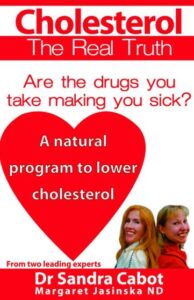
Stress, anxiety, tension and poor sleep can all harm your heart. The majority of the population are not consuming enough magnesium. Magnesium is a wonderfully calming mineral. It improves sleep quality and makes it easier to fall asleep. Magnesium also relaxes the muscles of your artery walls and in that way helps normalize blood pressure.
For more information about keeping your heart healthy see my book Cholesterol: The Real Truth.
The above statements have not been evaluated by the FDA and are not intended to diagnose, treat or cure any disease.
Know someone who might benefit from this article? Share it!


Search
Shop Our Products by
Health Interest
-

Hormone & Thyroid Health
-

Liver & Gallbladder Health
-

Digestive Health
-
Bone & Joint Health
-

Women's Health
-

Immune Health
-

Healthy Aging
-

General Health
Most Recent Articles
Need Help?
1-888-75-LIVER
Monday to Friday, 9:00 am to 5:00 pm MST
100%
Satisfaction Guaranteed
If it’s faulty or wrongly described, we’ll replace it.