
Uterine Fibroids Could Mean Heart Disease Warning
New figures from a large US population based cohort study have discovered uterine fibroids are a sign of increased atherosclerotic heart disease, especially if they occur in women younger than 40 years.
The results showed women with fibroids had a higher risk of coronary artery disease, cerebrovascular disease (rising stroke risk), and peripheral artery disease in 10 years compared to those who didn’t have fibroids.
The analysis was published in the Journal of the American Heart Association and involved 450,177 women with fibroids and 2,250,885 women without fibroids between the years 2000 and 2022. More than 2.7 million women were assessed, with a mean age of 41 years. None of them had atherosclerotic cardiovascular disease at the start of the study.
After 1 year, women with fibroids had a 2.47 fold higher risk for atherosclerotic cardiovascular disease (plaque on arteries) than women without fibroids. After 10 years, the increased risk was 5.42 percent among women with fibroids versus 3.00 percent in healthy controls.
What are uterine fibroids?
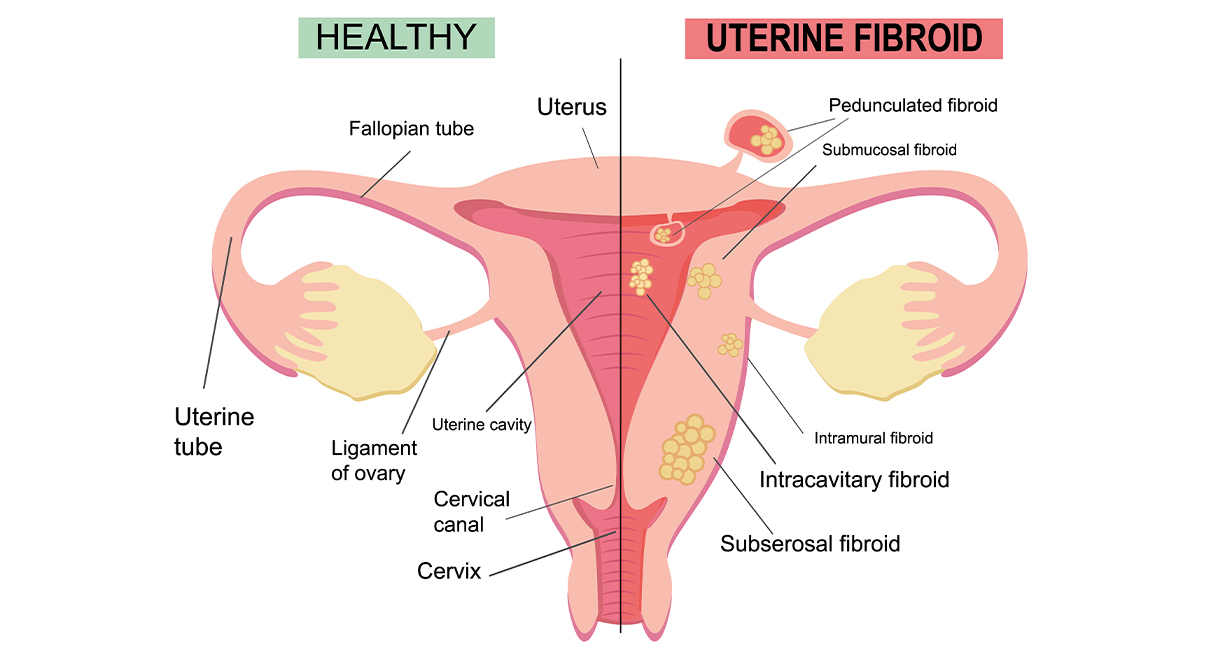
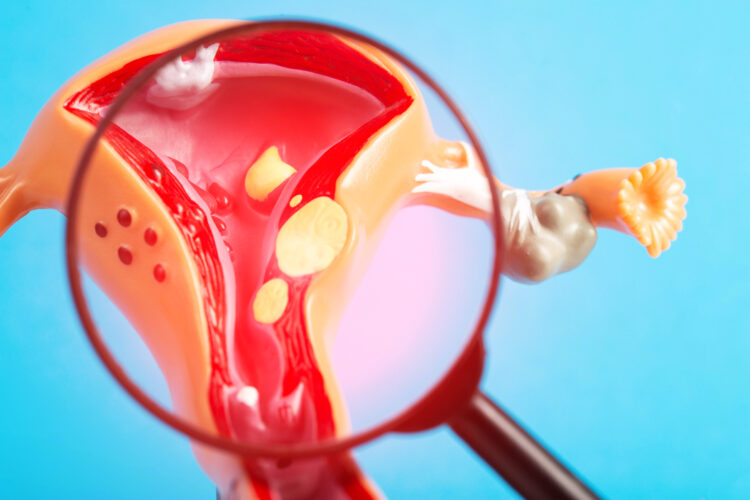
Uterine fibroids are non-cancerous growths that can occur in or on the uterus. They can develop in women during their childbearing years. Fibroids can grow on the outside of the uterus, or inwards into the uterine cavity. Some can even develop a stalk and be called pedunculated fibroids. They are very common, especially in women over 35 where it is reported that between 20 to 40 percent have uterine fibroids of significant size. Fibroids are sensitive to the effects of estrogen and will generally continue to slowly grow up until the time of menopause, following which fibroids will normally shrink.
How are fibroids related to heart disease?
The following factors raise the risk of uterine fibroids:
- Obesity
- Insulin resistance
- Early age of the start of menstruation
- Late age of menopause
- High alcohol intake
- High intake of dairy products and sugar
- Vitamin D deficiency
- Poor liver health, resulting in poor breakdown and excretion of estrogen
- Constipation, leading to recirculation of estrogen
- Progesterone deficiency
Insulin can encourage growth of fibroids as well as heart disease
Insulin resistance is also known as pre-diabetes. People with insulin resistance produce above normal levels of the hormone insulin. There are many problems that result from this. One is the insulin is a growth promoting hormone. Having above normal levels in your bloodstream encourages the growth of lumps and bumps such as fibroids, polyps and acne. High levels of insulin also encourage deposition of fat and plaque on artery walls.
Natural ways to manage uterine fibroids
Reduce foods and drinks in your diet that raise inflammation. That’s mainly sugar, high carbohydrate foods, alcohol, dairy products and artificial food additives. It’s best to base your diet on animal protein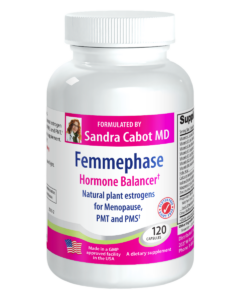 such as poultry, seafood, eggs and meat, along with lots of vegetables. Nuts, seeds and spices contain small amounts of phyto-estrogens, which help reduce the growth-promoting effects of you body’s own estrogen. You can get a higher therapeutic dose of beneficial phyto-estrogens in FemmePhase capsules.
Try to keep your weight in the healthy range, especially try not to be overweight around your torso. This places a strain on your liver and increases the changes it will become fatty and a poor detoxifier. Follow 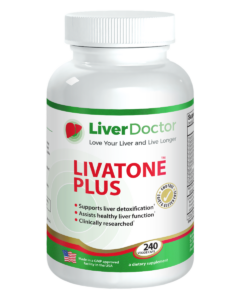 the easy guidelines in the book I Can’t Lose Weight and I Don’t Know Why. Livatone Plus helps clear fat from the liver.
Insufficient progesterone production is a major problem in modern society. Women over the age of 35 natural don’t produce as much progesterone anymore and this is why their fertility declines. If you have stress in your life, your progesterone will be converted into the stress hormone cortisol. Progesterone helps to balance the growth-stimulating effects of estrogen. Natural progesterone cream is very helpful for fibroids.
Being low in vitamin D worsens lumps and bumps in the body such as fibroids, polyps and cysts. For many people it’s not possible or safe to be outside in the sun often enough to produce sufficient vitamin D. That’s when a vitamin D supplement may be critical.
The above statements have not been evaluated by the FDA and are not intended to diagnose, treat or cure any disease.
Know someone who might benefit from this article? Share it!


Search
Shop Our Products by
Health Interest
-

Hormone & Thyroid Health
-

Liver & Gallbladder Health
-

Digestive Health
-
Bone & Joint Health
-

Women's Health
-

Immune Health
-

Healthy Aging
-

General Health
Most Recent Articles
Need Help?
1-888-75-LIVER
Monday to Friday, 9:00 am to 5:00 pm MST
100%
Satisfaction Guaranteed
If it’s faulty or wrongly described, we’ll replace it.