

Articles
-
Articles Liver & Gallbladder Health
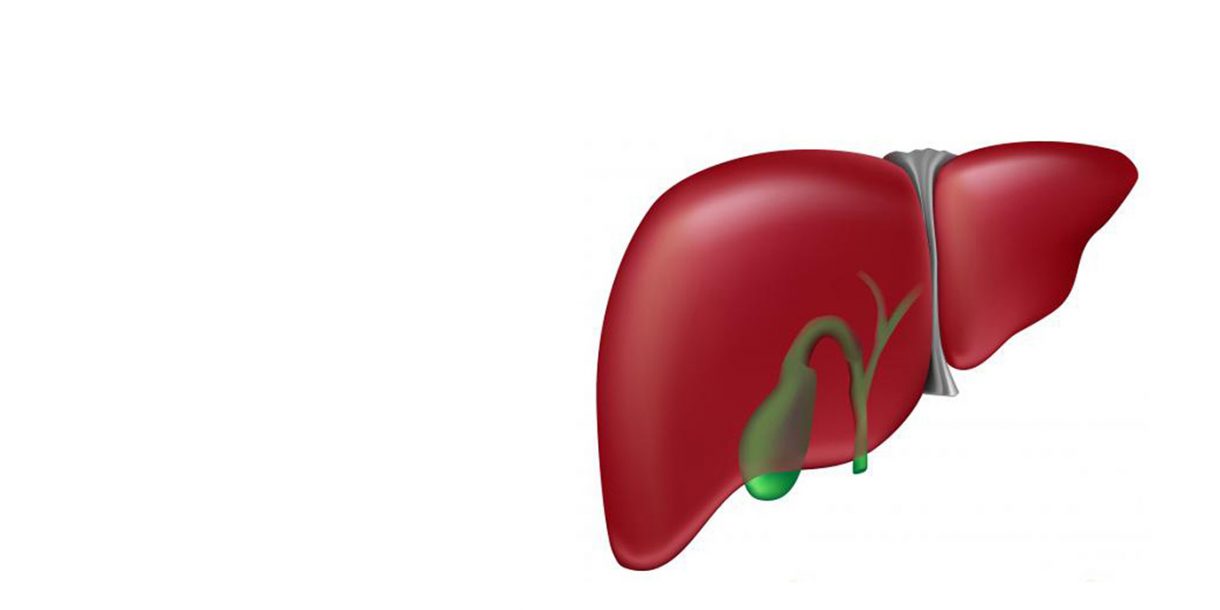
5 surprising facts you may not know about your liver
The human liver is a fascinating organ. I’m sure you know your liver metabolizes alcohol. You are also probably aware of serious liver diseases such as hepatitis and cirrhosis. You may know that your liver helps you digest oily foods. Certainly if you’ve experienced a dull ache on the right side of your abdomen, behind your lower ribs after a rich meal, then you have felt your liver. There are plenty of interesting and fun facts about your liver you probably aren’t aware of. Learning about the functions of the liver may motivate you to take better care of this critically important organ. It is really not possible to achieve good health if your liver is suffering. One of the most common consequences of a poorly functioning liver is fatigue. This makes sense because the liver is the largest internal organ and the most metabolically active one. Your liver performs more than 500 functions each day. Don’t you think it deserves more credit? If you want a long and healthy life you really must love your liver. Here are some fascinating facts about this organ.
Keep Reading -
Articles General Health

What is the fastest growing cause of cancer related death in the USA?
You may be surprised to learn that liver cancer is the fastest growing cause of cancer related death in the USA. Its incidence has almost tripled since the early 1980s. Men are 3 times more likely to develop liver cancer than women.
Keep Reading -
Articles General Health
What Causes Painful Leg Cramps At Night?
Leg cramps are a common problem, typically occurring in the calf, foot or thigh. They usually come on in an instant and cause intense, grabbing pain. Most of us have experienced a cramp like this at some point in our life. They are more common in summer if you have been sweating excessively and losing minerals in your sweat. However, some people are woken several times each night with searing pain that leaves them hobbling around the bedroom. Cramps like that aren’t just a nuisance; they are an indicator that something in your body is not in balance. The cramps can be so intense that the affected muscle feels sore the next day. Regularly experiencing cramps can greatly interfere with sleep quality, leaving you feeling fatigued and drained the next day. Several different things can cause muscle cramps. In order to prevent them, you first need to find out why they are happening.
Keep Reading -
Articles General Health

Soy infant formulas may increase the risk of seizures in infants with autism
Some worrying research has just been released showing that autistic infants who are fed a soy based formula are more likely to suffer seizures related to fever and also epileptic seizures than autistic infants who are not given soy. Autism is a complex disorder and there is currently great debate in the medical world over what exactly causes it and which treatments are best. Autistic children are more likely to suffer with several nervous system disorders, including Fragile X syndrome (causes mental retardation), epilepsy, Tourette’s syndrome (causes involuntary body movements) and tuberous sclerosis (causes tumors to grow in the brain).
Keep Reading -
Articles Liver & Gallbladder Health Digestive Health General Health
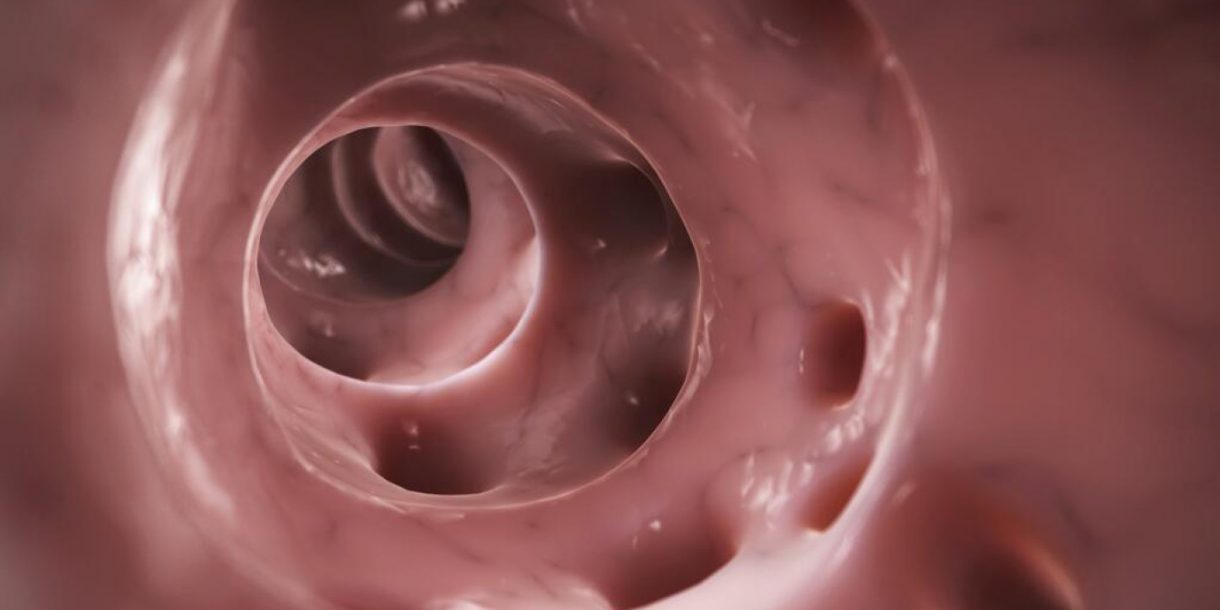
What Really Causes Diverticulitis?
Diverticulitis is incredibly common, yet the most common dietary advice given to patients may be incorrect. Diverticula are small pouches that bulge outward through the large intestine (colon). If you have these pouches, you have diverticulosis. Diverticulosis becomes increasingly common as people age. It is estimated that half of all people over age 60 have it. Most people with diverticulosis don't have any symptoms. Occasionally they may experience mild cramps, bloating or constipation. Diverticulosis is often discovered while a person is undergoing tests for something else. Many people first discover they have diverticula pockets in their bowel while they are undergoing a colonoscopy screening for colon cancer. If the pouches become inflamed or infected, this is referred to as diverticulitis. Abdominal pain is the most common symptom, and it’s usually on the left size. Depending on the severity, some people also experience fever, nausea, vomiting and constipation. In very severe cases, diverticulitis can cause tears in the bowel that bleed, or blockages in the bowel. Conventional treatment usually consists of antibiotics, pain relievers, and a temporary liquid diet. Occasionally surgery is deemed necessary. What causes diverticulitis? What foods should be avoided?
Keep Reading -
Articles General Health
Have you ever wondered what gluten actually looks like?
You’ve surely heard of gluten free foods, gluten free diets and celiac disease, but what actually is gluten? The word gluten derives from the Latin word glue, and once you see this video you’ll understand why. Gluten provides elasticity to dough and helps bread to rise. These structural properties also make it extremely difficult to digest.
Keep Reading -
Articles Essential Reading Weight Loss Case Studies

Case study: No weight loss on a low fat diet
Elizabeth was a lovely 53 year old lady who came to see me for help with weight loss. She needed to lose approximately 35 pounds and she’d been trying to lose it for the past 8 years. She did manage to lose some weight on her own, but it was the same four pounds that she kept losing and regaining again and again. Elizabeth’s health was fairly good although she did complain of a few things: Her muscles and joints were achy, particularly her knees first thing in the morning. Elizabeth’s hair was very dry and brittle and her nails were weak. She often experienced a bloated abdomen and felt so uncomfortable after eating lunch at work each day that she desperately wanted to undo the buttons of her trousers, but of course she couldn’t. I was confident Elizabeth would be able to lose weight and improve her health with a few simple diet changes. As with all my patients, I asked Elizabeth to tell me the types of foods she eats each day for meals and snacks. The first thing that struck me was all the low fat items that appeared in the list.
Keep Reading -
Articles Liver & Gallbladder Health
Cholesterol and the liver
What does the liver have to do with cholesterol? Are you concerned about your cholesterol level? Have you tried unsuccessfully to lower it by watching your diet? Did you know that the vast majority of the cholesterol in your body was made by your liver? On the whole, cholesterol is a beneficial substance in your body. It is so essential in fact that every cell of your body requires it. Having too much cholesterol in your bloodstream can be problematic though; particularly if you have other risk factors for cardiovascular disease, such as high blood pressure and abdominal obesity. If you want to achieve a healthy cholesterol level, it is vital to improve the health of your liver. The types of fats that are found in your bloodstream include-
Keep Reading -
Articles General Health

Experts predict the antibiotic crisis will be a bigger problem than AIDS!
According to the World Health Organisation (WHO), in coming years people will be dying from common infections because antibiotics are losing their effectiveness. According to a report by Dr Keiji Fukuda, WHO’s Assistant Director-General for Health Security, "A post-antibiotic era — in which common infections and minor injuries can kill — far from being an apocalyptic fantasy, is instead a very real possibility for the 21st century." He went on to say "Unless we take significant actions to improve efforts to prevent infections and also change how we produce, prescribe and use antibiotics, the world will lose more and more of these global public health goods and the implications will be devastating.”
Keep Reading -
Success Stories Articles Essential Reading Weight Loss Case Studies
Case Study: Tired and Overweight
Recently I had the pleasure to meet an interesting 63 year old lady who came to see me complaining of extreme fatigue and increasing weight gain. Not surprisingly all the joints in her lower limbs were aching because of the extra weight she was carrying. Her liver enzymes were elevated and this was due to her diagnosed fatty liver. She was 5 foot 3 inches tall and weighed 290 pounds and her blood pressure was 170/100. When I reviewed her long list of prescribed medications I was shocked. Her poor liver had a great deal of work to do in breaking down these drugs.
Keep Reading
Search
Shop Our Products by
Health Interest
-

Hormone & Thyroid Health
-

Liver & Gallbladder Health
-

Digestive Health
-

Bone & Joint Health
-

Women's Health
-

Immune Health
-

Healthy Aging
-

General Health
Most Recent Articles
Need Help?
1-888-75-LIVER
Monday to Friday, 9:00 am to 5:00 pm MST
100%
Satisfaction Guaranteed
If it’s faulty or wrongly described, we’ll replace it.